
Is it a profound work of art or just a controversial comic? Many readers struggle with the a girl on the shore manga, confused by its graphic nature and deep sadness. You’re left wondering if there’s a deeper meaning hidden beneath its shocking surface.
Inio Asano’s ‘A Girl on the Shore’ is a raw and explicit coming-of-age manga about two middle school students, Koume and Keisuke, who enter a casual sexual relationship to cope with their individual traumas and the ennui of small-town life. It is a psychologically intense story that explores themes of adolescent confusion, emotional voids, and the painful consequences of seeking connection through physical intimacy alone.
Drawing from a deep analysis of its narrative and critical reception, this guide decodes its challenging themes. This is a story from Eisner Award-nominated Inio Asano, a master of psychological realism. You will discover the artistic intent behind the controversy and understand its place as a significant piece of modern manga.
What Is A Girl on the Shore Manga Really About?
The a girl on the shore manga (Umibe no Onnanoko) is infamous for its polarizing reception, often dividing readers sharply. It’s a challenging work that deliberately blurs the line between a coming-of-age story and a raw, unflinching depiction of adolescent pain. At its core, the story is not a romance but an anti-romance. It strips away the idealized notions of first love to expose the messy, confusing, and often hurtful reality of two young people using physical intimacy to fill an emotional void. Authored by the critically acclaimed Inio Asano, known for masterpieces like Oyasumi Punpun, this manga belongs to the seinen manga demographic, targeting older audiences capable of handling its mature themes. This guide moves beyond a simple “love it or hate it” verdict to provide a structured analysis of its story, characters, and the artistic intent behind its notorious explicit content.
A 7-Part Guide to Analyzing the Depths of ‘A Girl on the Shore’
To truly understand a girl on the shore, one must look beyond its surface-level plot. It is a dense work packed with symbolism, psychological depth, and visual storytelling that demands closer inspection. This guide breaks down the manga’s complex narrative into seven core components. By analyzing each element—from the motivations of its main characters, Koume Sato and Keisuke Isobe, to the thematic role of the seaside town and the meaning of its ambiguous ending—readers can construct a more complete and nuanced interpretation. This thematic deconstruction is designed to teach you how to read the layers Asano has woven into the story, offering a significant information gain over a standard manga review.
1. Analyze the Main Characters: The Pain of Koume & Keisuke

Pin this moody aesthetic to your ‘Manga & Anime’ board!
The heart of the manga’s tragedy lies in its two protagonists, Koume and Keisuke. Their destructive casual sex relationship is not born from affection but from a shared, unspoken desperation. They are two deeply broken teenagers fumbling in the dark for a connection they are emotionally unequipped to build. Understanding their individual traumas is the key to unlocking their motivations and the story’s painful exploration of human vulnerability.
What You Need to Know
- Koume Sato: A middle school girl who, after being humiliated and rejected, initiates a physical relationship with Keisuke to feel wanted and regain a sense of control. She often reflects what was said to her onto Keisuke.
- Keisuke Isobe: A social outcast haunted by his older brother’s suicide, which he may feel responsible for. He initially has a genuine crush on Koume but gets drawn into a purely physical dynamic.
- Shared Trauma: Both characters are navigating significant emotional pain, which they are too young and ill-equipped to process, leading them to use sex as an escape.
How to Analyze Their Relationship
- Identify the Power Dynamics: Notice how Koume initially holds power by initiating the relationship, but how this dynamic shifts and becomes mutually destructive.
- Track Their Lack of Communication: Pay attention to the stilted, painful dialogue. They rarely speak about their true feelings, which is central to their tragedy.
- Note the “Love Story in Reverse”: Asano himself described it this way. Observe how genuine feelings only begin to surface as their physical relationship falls apart, which is too late.
- Acknowledge Their Flaws: It’s crucial to see the characters, especially Koume, as deeply flawed and sometimes unlikable. This is intentional and part of the manga’s psychological realism.
Pro-Tip: Asano’s work often explores the deconstruction of romance tropes. Notice how ‘A Girl on the Shore’ strips away all romanticism from the characters’ physical intimacy, forcing the reader to confront the raw, uncomfortable reality of their emotional disconnect.

2. Understand the Setting: The Nihilistic Seaside Town

Save this to your ‘Quiet Academia’ board for a dose of melancholy.
The small town setting in ‘A Girl on the Shore’ is more than just a backdrop; it’s a character in itself. The sleepy, inescapable Japanese seaside town is a physical manifestation of the characters’ internal state: trapped, isolated, and suffocating under a wave of adolescent ennui. This atmospheric setting is crucial to the story, amplifying the feelings of hopelessness that drive Koume and Keisuke into their desperate, destructive behavior.
What You Need to Know
- Symbol of Ennui: The town is described as a place where “very little happens.” This physical stagnation mirrors the characters’ emotional and psychological paralysis.
- The Shore as a Metaphor: The “shore” itself is a liminal space between land and the vast, unknowable sea. The characters are “on the shore,” unable to move forward into the future (the sea) or stay comfortably on land (childhood).
- Isolation: The lack of activity and escape routes in the town intensifies the feeling that the characters are trapped, both physically and within their own misery.
How to Analyze Its Impact
- Look for “Empty” Panels: Pay attention to Asano’s frequent use of detailed, but empty, landscapes. These lush, intricate backgrounds of mundane spaces often dwarf the characters, emphasizing their loneliness.
- Connect Weather to Emotion: Notice how Asano uses weather, like a typhoon, to mirror the characters’ internal turmoil and emotional peaks.
- Contrast with the “Real World”: The town feels like a “pocket dimension” disconnected from everything else, which makes the teens’ actions feel both intensely significant within their world and utterly meaningless outside of it.
Pro-Tip: A key concept in Japanese culture that Asano explores is “chunibyo” or “Eighth Grader Syndrome.” This refers to adolescents acting out adult behaviors they don’t understand. The isolated, boring town provides the perfect vacuum for this misguided experimentation to fester.

3. Deconstruct the Explicit Content: More Than Just Smut?

Pin this slice-of-life moment to your ‘Inio Asano Aesthetic’ board.
The most controversial aspect of the manga is undoubtedly its graphic sexual content. However, to dismiss these scenes as mere smut elements is to miss their narrative purpose. Asano uses these moments of physical intimacy not to arouse, but to illustrate a profound lack of emotional connection. The explicit scenes are emotionally fraught, awkward, and often painful, serving as a raw and honest depiction of how confused adolescents can use sex as a coping mechanism with devastating results.
What You Need to Know
- Narrative Function: The sex scenes are not designed for arousal; they are “integral to the story.” They are a physical manifestation of the characters’ emotional turmoil.
- Lack of Intimacy: The encounters are often awkward, messy, and raw. Crucially, the characters almost never kiss, highlighting that their connection is purely carnal, not romantic.
- Coping Mechanism: Sex is used by the characters to feel wanted (Koume) or to simply feel “here” and alive (Keisuke) in the face of their overwhelming depression. It’s a tool, not an act of love.
How to Analyze These Scenes
- Analyze the “Why,” Not the “What”: For each scene, ask: what emotional state leads to this? Is it loneliness, anger, boredom, or a cry for help?
- Look for the Aftermath: Pay close attention to the panels after the act. The characters are often shown as isolated, miserable, and even more disconnected than before, proving the “solution” isn’t working.
- Contrast with Romantic Tropes: Note how Asano subverts typical romance manga. The scenes are not fetishized or idealized; they are presented with brutal honesty and without judgment. This realism is what makes them so shocking.
Lesson Learned: Many critics argue that reducing ‘A Girl on the Shore’ to hentai or pornography is a fundamental misreading. The explicitness is a deliberate artistic choice to explore sexuality itself—the confusing, messy, and often painful reality of it during adolescence, rather than a romanticized fantasy.

4. Interpret the Ambiguous Ending

Pin this deep, symbolic moment to your ‘Storytelling’ board.
One of the most debated aspects of the manga is its ending. The a girl on the shore ending explained query is common because the conclusion is bittersweet, open to interpretation, and provides no easy answers. The final chapter fast-forwards, showing Koume years later, leaving the fate of Keisuke and the true nature of Koume’s growth uncertain. This ambiguity is a hallmark of Asano’s storytelling and is key to the manga’s lasting emotional impact.
What You Need to Know
- The Time Skip: The story jumps forward several years. Koume is in her last year of high school.
- Koume’s New Relationship: She is secretly dating a boy named Otsu, who is described as a “clone” of a younger Isobe. This suggests she may be repeating patterns.
- The Final Scene: Koume is on the beach and seems to finally “reach the sea,” a metaphor for self-actualization or acceptance of her anguish. She has grown physically, but perhaps not emotionally.
- Isobe’s Absence: Isobe is notably absent from the ending, his fate left completely open, representing the people we lose and leave behind as we grow up.
How to Interpret the Ending
- The “Moving On” Interpretation: This view suggests Koume has finally processed her past and is moving on. She has learned to live with her anguish and is no longer defined by her relationship with Isobe. Her new boyfriend, while similar, represents a chance to do things differently.
- The “Cyclical” Interpretation: This darker view suggests Koume has learned nothing and is doomed to repeat her mistakes. Choosing a “clone” of Isobe implies she is still drawn to the same dynamics and has not achieved true growth.
- The “Becoming the Girl on the Shore” Interpretation: In the final pages, Koume loses an SD card on the beach, mirroring the one Isobe found. Some analyses suggest she has now become the idealized, mysterious “girl on the shore” herself—an object of someone else’s longing, forever slightly out of reach.
Lesson Learned: Asano rarely provides neat, happy endings. The ambiguity is the point. The ending forces the reader to sit with the uncomfortable questions: Do people really change? Can we escape our past traumas? The lack of a clear answer is what makes the story so haunting and realistic.

5. Appreciate Inio Asano’s Hyper-Realistic Art Style

A perfect pin for your ‘Art & Illustration’ board.
The beautiful artwork of Inio Asano is a crucial component of his storytelling. In ‘A Girl on the Shore,’ his signature art style creates a powerful and unsettling contrast. He combines hyper-realistic, digitally processed photographs for backgrounds with traditionally drawn, emotionally expressive characters. This technique creates a visually stunning world that feels both tangibly real and emotionally heightened, grounding the characters’ messy internal lives in a stark, unfeeling reality.
What You Need to Know
- Photo-Referenced Backgrounds: Asano is famous for his technique of taking photographs of real locations, digitally processing them, and then using them as hyper-detailed backgrounds. This grounds his stories in a stark reality.
- Expressive Character Work: In contrast to the realistic backgrounds, his characters are drawn in a more traditionally stylized, yet incredibly expressive manner. He excels at portraying complex emotions through subtle changes in a character’s face.
- Use of Space and Layout: Asano masterfully uses panel layouts, dramatic perspectives, and negative space to emphasize themes of loneliness and isolation. Characters are often shown small against vast, detailed environments.
How to Analyze the Art
- Notice the Realism vs. Stylization: Look for the contrast between the almost photorealistic world and the more simplified, emotional faces of the characters. This visual tension mirrors the story’s themes.
- Study the “Quiet” Panels: Pay attention to panels that have no dialogue, focusing only on the environment. These moments of quiet build the atmospheric setting and allow the feeling of ennui to sink in.
- Appreciate the Detail: From the texture of a concrete wall to the specific brand of a canned drink, the obsessive detail makes the world feel tangible and lived-in, making the emotional drama feel that much more real.
Pro-Tip: Asano’s art style is a key part of his storytelling. The visually stunning but mundane world he creates serves as a constant reminder of the “dead-end world” the characters inhabit. The beauty of the art makes the ugliness of their situation even more hard-hitting.

6. Explore the Overwhelming Psychological Depth

A perfect pin for moments of deep reflection.
Beyond the plot, ‘A Girl on the Shore’ is a profound exploration of complex psychological states. The manga is saturated with a nihilistic tone and a sense of existential dread, delving into the long-term impact of trauma and depression on the adolescent psyche. To fully appreciate the work requires engaging with its psychological depth and understanding the philosophical questions it poses about meaning, connection, and self-destruction.
What You Need to Know
- Nihilism and Ennui: The characters are consumed by a sense of meaninglessness and profound boredom (“ennui”). They use sex and cruelty as desperate, failed attempts to feel something.
- The Weight of Trauma: The story is a powerful depiction of how unprocessed trauma in manga shapes behavior. Keisuke’s self-destructive tendencies stem from his brother’s death, while Koume’s actions are a direct reaction to her initial humiliation and assault.
- Psychological Realism: The manga is praised for its “insightful observation of human emotion.” The characters’ reactions, however ugly, are painfully believable for teenagers dealing with situations far beyond their emotional capacity.
How to Analyze These Themes
- Track Keisuke’s Self-Destruction: Follow Isobe’s journey as he uses different things (his brother’s blog, Koume, the “girl in the photo”) as a lifeline to survive, only to discard them when they fail to ease his pain.
- Identify Koume’s Projections: Notice how Koume projects her own feelings of being worthless and “not the right type” onto Keisuke, repeating the hurtful words that were said to her.
- Question the Search for Forgiveness: A key theme is the inability to apologize or be forgiven. Keisuke feels he can never apologize to his dead brother, which fuels his suffering. This is a core part of his character.
Pro-Tip: The story’s psychological depth is what elevates it from a simple “dark romance manga” to a piece of literary art. Asano is not just showing what the characters do; he is exploring why they do it, delving into the philosophical underpinnings of depression, loneliness, and the desperate search for identity.
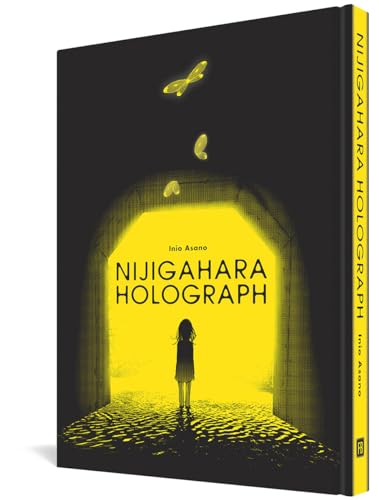
7. Find Similar Manga & Explore Asano’s Other Works

Pin this shelfie to your ‘Manga Collection’ board!
If the complex themes and melancholic tone of ‘A Girl on the Shore’ resonated with you, there is a rich world of psychological romance manga to explore. Finding manga similar to a girl on the shore often leads to the other works of Inio Asano himself, as well as to contemporary authors like Shuzo Oshimi, who also masterfully explore adolescent angst and mental health. This list provides a starting point for your next emotionally intense read.
What You Need to Read
- Oyasumi Punpun (Goodnight Punpun): By Inio Asano. Considered his magnum opus, this is a much longer and even darker exploration of depression, trauma, and growing up. A must-read for any Asano fan.
- Solanin: By Inio Asano. A more grounded and less explicit story about young adults facing the “real world” after college. It shares the same melancholic, realistic tone.
- Flowers of Evil (Aku no Hana): By Shuzo Oshimi. A masterclass in psychological tension, this manga explores themes of perversion, societal masks, and adolescent alienation with a similar intensity to Asano’s work.
- Blood on the Tracks (Chi no Wadachi): By Shuzo Oshimi. An incredibly unsettling psychological horror about a toxic mother-son relationship that will appeal to readers who appreciate the deep-seated trauma in ‘A Girl on the Shore’.
How to Choose Your Next Read
- For More Asano: If you loved the art and melancholic tone, start with Solanin for something slightly more hopeful, or dive into Goodnight Punpun if you are prepared for an emotionally devastating epic.
- For Similar Psychological Tension: If the uncomfortable, psychological aspect was what gripped you, Flowers of Evil is the perfect next step. It captures a similar feeling of being trapped in a small town with dark secrets.
- For a Focus on Dysfunctional Relationships: If the raw, unsettling relationship dynamics were the most compelling part, Blood on the Tracks offers an even more extreme and terrifying look into psychological manipulation.
- For More Erotic Drama: For those interested in other works that blend sexuality and psychology, manga like Sundome or Bokura no Fushidara explore similar themes, though often with a different focus.
Pro-Tip: Many fans of Inio Asano are also fans of Shuzo Oshimi. Both mangaka are masters of the psychological slice of life subgenre, focusing on the dark, uncomfortable, and often unspoken realities of human relationships and mental health.

Key Takeaways: Your Quick Guide to A Girl on the Shore
- It’s a Story About Disconnection, Not Sex: The explicit content is a narrative tool used to show the failure of physical intimacy to create a real emotional bond between two traumatized teenagers.
- Characters are Intentionally Flawed: Koume and Keisuke are not meant to be likable heroes. They are realistic portrayals of hurt adolescents making destructive choices, which is a hallmark of the manga’s psychological realism.
- The Setting Amplifies the Themes: The sleepy, isolated seaside town is a crucial element, acting as a metaphor for the characters’ feelings of stagnation, loneliness, and inescapable ennui.
- The Art’s Realism is Unsettling: Inio Asano’s signature style of combining hyper-realistic, photo-based backgrounds with expressive characters grounds the emotional drama in a tangible reality, making it more impactful.
- The Ending is Purposefully Ambiguous: The manga does not offer a clean resolution. The open-ended, bittersweet conclusion forces readers to contemplate the lasting impact of adolescent trauma and whether people truly change, reflecting the complexities of real life.
People Also Ask About A Girl on the Shore Manga
Is A Girl on the Shore explicit?
Yes, ‘A Girl on the Shore’ is extremely explicit. It contains numerous graphic and detailed scenes of teenage sexual activity. This content is integral to the plot and themes, used to explore the characters’ emotional state rather than for titillation, but it is visually frank and a primary reason for its mature rating and controversial reputation.
How many volumes is A Girl on the Shore?
‘A Girl on the Shore’ was originally released in two collected volumes in Japan. However, the official English release from publisher Vertical (and later Kodansha USA) compiles the entire story into a single, comprehensive omnibus edition. For English readers, it is a complete, one-volume story.
What is the age rating for A Girl on the Shore?
The manga is intended for mature readers, typically rated 18+. Due to its graphic sexual content, themes of trauma, and psychological intensity, it is not suitable for younger audiences. The English edition was even sold shrink-wrapped to signify its adult nature.
What is the meaning of the ending?
The ending is deliberately ambiguous and open to interpretation. It shows Koume years later, seemingly having moved on but also potentially repeating old patterns. The lack of clear closure for her and Isobe is intentional, reflecting the messy, unresolved nature of life and leaving the reader to ponder themes of growth, memory, and inescapable trauma.
Does A Girl on the Shore have a happy ending?
No, ‘A Girl on the Shore’ does not have a traditionally happy ending. It is bittersweet and melancholic at best. While Koume survives and appears to be functioning, the conclusion is tinged with sadness, unresolved feelings, and the suggestion that the emotional scars from her time with Isobe remain.
Is A Girl on the Shore a sad or depressing manga?
Yes, it is widely considered a sad and emotionally heavy manga. The story is a stark exploration of loneliness, depression, trauma, and disconnection. Its tone is consistently melancholic and nihilistic, and while it contains moments of profound insight, it is not an uplifting read.
Are there trigger warnings for A Girl on the Shore?
Yes, readers should be aware of significant trigger warnings. The manga includes graphic sexual content involving minors, themes of sexual assault (coercion), suicide, self-harm, severe depression, and intense psychological distress. It is a challenging work that deals with difficult subject matter directly.
What genre is A Girl on the Shore?
‘A Girl on the Shore’ fits into several genres: coming-of-age, psychological, slice of life, and drama. It is also classified as a seinen manga, which is a demographic category for works aimed at young adult and adult men. It subverts typical romance tropes with its dark, realistic portrayal of relationships.
Where can I read A Girl on the Shore manga?
You can purchase the official English omnibus edition from major booksellers like Amazon, Barnes & Noble, and Right Stuf Anime. It is also available digitally on platforms like BookWalker and the Kobo store. Reading through official channels is the best way to support the author, Inio Asano.
Is A Girl on the Shore worth reading?
It depends on the reader. For fans of Inio Asano and those who appreciate dark, psychologically complex stories that challenge the reader, it is a powerful and memorable work. However, for those uncomfortable with explicit content or seeking a more hopeful story, it is often not recommended.
Final Thoughts on A Girl on the Shore’s Enduring Impact
‘A Girl on the Shore’ is not an easy read, nor is it meant to be. It is a work that lingers long after the final page, forcing introspection on the nature of love, loneliness, and the wounds we carry from our youth. Its value lies not in providing comfort, but in its unflinching, brutal honesty. By refusing to romanticize teenage pain, Inio Asano creates a story that is profoundly human and uncomfortably real. It solidifies its position as a difficult but essential piece of modern manga, a testament to the medium’s ability to explore the darkest corners of the human condition.
What was your interpretation of the ending? Share your thoughts in the comments below.
Last update on 2026-03-24 / Affiliate links / Images from Amazon Product Advertising API


