
Have you ever wondered what happens when the one person you should trust the most becomes the source of your deepest fear? You’re searching for answers about the a trail of blood manga, a story that sinks under your skin and leaves you questioning the very nature of familial love. It’s a chilling journey, and you need a guide to navigate its dark, psychological depths.
‘A Trail of Blood’ (Chi no Wadachi) is a psychological horror manga by the acclaimed author Shūzō Oshimi that centers on the deeply disturbing and toxic relationship between a middle school boy, Seiichi Osabe, and his overprotective mother, Seiko. Following a shocking incident, their bond unravels, exploring themes of manipulation, trauma, and maternal obsession in an intensely unsettling narrative.
Drawing from established best practices and critical analysis, this guide will dissect the plot, characters, and psychological horror that make this manga a masterpiece. You’ll discover the key moments that define the story, understand the symbolism in the art, and get a clear explanation of its haunting, ambiguous ending. Prepare to explore the darkness that lurks behind a seemingly perfect family.
What is the A Trail of Blood Manga About? A Spoiler-Free Introduction
The a trail of blood manga, known in Japan as chi no wadachi, is not your typical horror story. Crafted by the master of psychological horror manga, Shūzō Oshimi, this series abandons jump scares and supernatural monsters for something far more terrifying: the slow, methodical erosion of reality within a toxic mother-son relationship. The story follows Seiichi Osabe, a quiet middle schooler, and his doting mother, Seiko. On the surface, their bond appears loving, if a bit clingy. However, this façade shatters after a traumatic event on a hiking trip, an incident only Seiichi witnesses. From that moment on, readers are plunged into a deeply unsettling manga experience, defined by psychological manipulation, emotional trauma, and suffocating maternal obsession. The narrative is less about what happens and more about the creeping dread of what might be true, making it a masterpiece of suspense and existential horror comparable to Oshimi’s other famous work, Flowers of Evil, or the atmospheric dread found in the works of Junji Ito.
7 Key Moments That Define the Psychological Horror of Chi no Wadachi
To truly understand the psychological analysis behind Chi no Wadachi, we must look beyond a simple full plot summary. The horror is built through a series of escalating events that methodically deconstruct the mother son dynamic and Seiichi’s psyche. The relationship between the protagonist, Seiichi Osabe, and the antagonist, his mother Seiko Osabe, decays through key narrative moments that showcase her control and his subsequent trauma. The following seven moments are critical to understanding the manga’s arc, showing not only what happens in a trail of blood but why it is so profoundly disturbing. Each event serves as a pillar, supporting the overarching themes of control, trauma, and the horrifying ambiguity of love.
1. The Inciting Incident: The Cliff Push

Pin this chilling moment to your ‘Psychological Thrillers’ board!
The story’s inciting incident, found in blood on the tracks chapter 1, is a moment of shocking, quiet violence that sets the tone for the entire series. It fundamentally redefines the mother son relationship for both Seiichi and the reader.
The Narrative Event
- During a family hike, Seiichi’s cousin, Shigeru, teases him.
- In a moment of chilling calmness, Seiko Osabe, Seiichi’s mother, pushes Shigeru off a cliff.
- Seiichi is the only person to witness this horrifying act, which is framed with deliberate ambiguity by the author.
Psychological & Thematic Analysis
- Shattering the Façade: This act immediately destroys the image of the “perfect, loving mother,” introducing the core psychological horror.
- Ambiguity and Trauma: The quiet, deliberate nature of the act leaves both Seiichi and the reader questioning reality, a classic technique in unreliable narration.
- Thematic Introduction: It introduces the central themes of maternal obsession, hidden violence, and the fragility of family bonds.
Pro-Tip: In my experience analyzing psychological horror, this moment is a perfect example of subverting genre tropes. The horror isn’t a monster; it’s the person meant to be the ultimate protector, which taps into a deep-seated, existential dread.

2. The Gaslighting: Denying Seiichi’s Reality

Save this analysis of psychological control to your ‘Manga Deep Dive’ board.
Immediately following the cliff incident, the manga delves into one of its core themes: mental manipulation. Seiko’s denial of reality is a masterclass in psychological abuse, forming the foundation of their toxic relationship dynamics.
The Narrative Event
- In the aftermath of the cliff incident, Seiichi is in shock.
- When he tries to process what he saw, his mother, Seiko, feigns ignorance and concern, treating him as if he’s confused or ill.
- She consistently denies her actions, reframing the event as an accident and positioning herself as a caring protector.
Psychological & Thematic Analysis
- Gaslighting 101: This is a textbook depiction of gaslighting techniques in narrative. Seiko systematically undermines Seiichi’s perception of reality to maintain control.
- Fostering Dependence: By making Seiichi doubt his own mind, she reinforces his emotional and psychological dependence on her as the sole arbiter of truth.
- Trauma Bonding: This cycle of abuse followed by feigned affection is a critical component in forming a trauma bond, a theme central to toxic attachment theory in fiction.
Pro-Tip: Oshimi Shuzo‘s art is crucial here. The subtle shifts in Seiko’s expression, often imperceptible to other characters but visible to the reader, create a profound sense of the uncanny and reinforce the horror of the situation.
3. The Isolation: Controlling Seiichi’s World

Pin this look into the psychology of control to your ‘Dark Manga’ collection.
Seiko’s control quickly escalates from psychological to physical, as she systematically cuts Seiichi off from the outside world. This isolation is a key element of his character development, or rather, its suppression, and highlights the themes of parental narcissism.
The Narrative Event
- Seiko begins to monitor Seiichi’s interactions with others, particularly his burgeoning friendship with his classmate, Fukiishi.
- She intercepts phone calls, discourages him from going out, and subtly (and sometimes overtly) paints the outside world as dangerous and untrustworthy.
- This culminates in Seiichi becoming a near-prisoner in his own home, with his mother as his sole companion and guardian.
Psychological & Thematic Analysis
- Control Tactic: Isolation is a classic tactic of abusers to maintain power. By cutting off external support systems, the victim has nowhere else to turn.
- Deconstruction of Self: Without external reflections of himself through friends and social life, Seiichi’s sense of identity begins to erode, merging with his mother’s. This explores the deconstruction of the family unit into a single, toxic entity.
- Symbolism of the Home: The home, traditionally a place of safety, is transformed into a prison, a powerful and unsettling visual and thematic metaphor used throughout the manga.
Pro-Tip: A psychoanalytic interpretation of a trail of blood would view this as an extreme, pathological manifestation of the mother complex, where the maternal figure actively prevents the child’s psychological separation and individuation.

4. The Uncanny Valley: Seiko’s “Smile”

Explore the horror of the uncanny. Pin this analysis to your ‘Art & Symbolism’ board.
Much of the horror in Chi no Wadachi is visual, conveyed through the brilliant Oshimi Shuzo art style. No element is more effective or chilling than Seiko’s smile, a piece of disturbing imagery that becomes a powerful symbol of the manga’s themes.
The Narrative Event
- Throughout the manga, during moments of intense psychological pressure or manipulation, Seiko often displays a wide, placid, almost joyful smile.
- This smile is completely disconnected from the horrific context of the situation (e.g., after the cliff incident, when confronting police).
- This expression becomes her visual motif, a mask that both terrifies Seiichi and confuses outsiders.
Psychological & Thematic Analysis
- The Uncanny Valley: Seiko’s smile is a perfect example of the uncanny. It is recognizably human but “off” in a way that triggers a deep sense of revulsion and fear. It looks like a smile but doesn’t feel like one.
- Symbol of Duality: The smile represents the chasm between the idealized role of “mother” and Seiko’s monstrous inner reality. It is the mask she wears to hide her true nature.
- Artistic Horror: Shuzo Oshimi’s distinctive art style excels at this. He uses minimalism in his backgrounds to force the reader’s focus onto these minute, horrifying facial details, making them inescapable.
Pro-Tip: From a phenomenology of fear perspective, the horror of the smile lies in its inversion of a trusted social cue. A smile should signal safety and warmth; by corrupting it, Oshimi corrupts the very concept of maternal love, leaving the reader with no safe emotional ground.

5. The Role Reversal: Seiichi’s Confrontation

A turning point in a toxic relationship. Pin this to your ‘Character Arcs’ board.
After extensive abuse, Seiichi’s character development takes a dramatic turn. His eventual confrontation with his mother shifts the mother son dynamic in a shocking and tragic way, marking a pivotal moment in what happened to seiichi.
The Narrative Event
- After years of psychological submission, and prompted by his relationship with Fukiishi, Seiichi begins to question and defy his mother.
- This leads to a powerful confrontation where he physically and verbally pushes back against her control.
- In a shocking twist, Seiko’s domineering persona collapses, and she regresses into a childlike, dependent state, forcing Seiichi into the role of caregiver.
Psychological & Thematic Analysis
- Exploring Filial Regression: This section explores the psychological concept of regression, where an individual reverts to an earlier stage of development under stress. Seiko’s breakdown is a terrifying example of this.
- The Burden of Freedom: Seiichi’s “victory” is not liberating. He escapes one prison only to be trapped in another—the burden of caring for his now-broken mother. This subverts the typical “hero breaks free” trope.
- Intergenerational Trauma: The cycle of toxicity is shown to be self-perpetuating. Seiichi is now in the dominant role, and the manga explores the ethical dilemmas in character actions as he grapples with his newfound power over his mother.
Pro-Tip: This role reversal is a powerful narrative device for exploring trauma bonding literary analysis. Seiichi cannot simply leave; his identity is so enmeshed with his mother’s that her collapse forces him to confront his own damaged psyche.
6. The Repressed Trauma: Fukiishi’s Influence

A glimmer of hope in the darkness. Pin this to your ‘Manga Relationships’ board.
Amidst the darkness, a sliver of light appears in the form of Fukiishi, Seiichi’s classmate. She is one of the most important complex characters in the story, acting as the catalyst that allows Seiichi Osabe to begin his fight for selfhood against his mother’s all-consuming maternal obsession.
The Narrative Event
- Fukiishi is a quiet, observant classmate who seems to be the only one who senses the wrongness in Seiichi’s family life.
- She forms a bond with Seiichi, offering him a glimpse of a normal, healthy human connection outside his mother’s influence.
- Her presence and validation give Seiichi the strength to start questioning his reality and accessing his own repressed memories of the cliff incident.
Psychological & Thematic Analysis
- The Anchor to Reality: For a victim of intense gaslighting, an external voice validating their experience is crucial. Fukiishi serves as this anchor, confirming that what Seiichi feels is real.
- Exploring Healthy vs. Toxic Attachment: The manga starkly contrasts the possessive, controlling “love” of Seiko with the gentle, accepting connection offered by Fukiishi, highlighting the core tenets of toxic attachment theory.
- Catalyst for Change: Fukiishi is not just a love interest; she is the catalyst that enables Seiichi’s entire character arc. Without her, he may never have found the strength to confront his mother.
Pro-Tip: This dynamic is a common and powerful tool in character-driven stories about trauma. The introduction of a healthy relationship often serves as the mirror that allows the protagonist to finally see the true nature of their abusive one.

7. The Ambiguous Freedom: The Final Chapters

The haunting finale. Pin this discussion to your ‘Manga Endings’ board.
For many readers, the question of the a trail of blood manga ending explained is paramount. The series concludes not with a clear resolution but with a haunting and ambiguous ending, a deliberate choice that reinforces its core themes. The final chapters question whether freedom from abuse is ever truly complete.
The Narrative Event
- After the confrontation and role reversal, the story jumps forward in time.
- We see an adult Seiichi living an outwardly normal life, with a job and a new family.
- However, he is emotionally detached, haunted by his past, and unable to form a genuine connection with his own child, showing that the “trail of blood” continues. The final panels leave his ultimate fate and emotional state open to interpretation.
Psychological & Thematic Analysis
- The Lingering Trauma: The ending powerfully argues that severe psychological trauma doesn’t just disappear. It becomes a part of you, shaping your future relationships and perceptions. This is a realistic, if not happy, conclusion.
- Narrative Ambiguity Techniques: Oshimi Shuzo is a master of narrative ambiguity. The open ending forces the reader to sit with the discomfort and contemplate the long-term consequences of abuse, rather than providing a simple, satisfying answer.
- Intergenerational Trauma Revisited: The most haunting aspect is the implication that Seiichi, damaged by his mother, may now be incapable of preventing that same damage from trickling down to his own son, thus perpetuating the cycle.
Pro-Tip: This type of ending is a hallmark of the seinen genre, which often favors realism and complex, morally gray conclusions over the clear-cut resolutions common in other demographics. It respects the reader’s intelligence to draw their own conclusions.
No products found.
Key Takeaways: Your Quick Guide to A Trail of Blood Manga
Key Takeaways:
- A Masterpiece of Psychological Horror: A Trail of Blood is not about jump scares, but about the unsettling terror of psychological manipulation within a family, making it a standout seinen manga. Its horror comes from the corruption of the sacred mother-son bond.
- The Author is Key: Shūzō Oshimi is central to the experience. His masterful storytelling and distinctive, expressive art style are what create the manga’s signature sense of existential dread and claustrophobia.
- It’s a Story About Control: The core conflict is one of psychological control, explored through visceral depictions of gaslighting, isolation, and the formation of a trauma bond between Seiichi and Seiko Osabe.
- The Ending is Deliberately Ambiguous: Do not expect a happy or neatly resolved conclusion. The ambiguous ending is a thematic choice designed to make the reader contemplate the lifelong, generational impact of trauma.
- Art Drives the Horror: The most disturbing imagery often comes from subtle facial expressions, particularly Seiko’s wide, empty smile, a perfect example of the uncanny in art.
FAQs About a trail of blood manga
What is the ending of ‘A Trail of Blood’ manga explained?
The ending of ‘A Trail of Blood’ is deliberately ambiguous and shows the long-lasting effects of trauma. In a time jump, we see an adult Seiichi living a seemingly normal life with his own family. However, he is emotionally distant and struggles to connect with his own son, implying that the psychological damage inflicted by his mother is permanent and may even be passed down, continuing the “trail of blood.”
Is ‘A Trail of Blood’ manga finished?
Yes, the ‘A Trail of Blood’ manga is finished and complete. The series, known as Chi no Wadachi in Japan, concluded its serialization in Shogakukan’s Big Comic Superior magazine. The final volume has been released, so readers can experience the entire disturbing tale from beginning to its haunting conclusion without waiting for new chapters.
Why is ‘A Trail of Blood’ so disturbing?
The manga is disturbing because its horror is psychological and rooted in a corrupted maternal relationship. Instead of monsters, the source of fear is Seiko, the person who should be Seiichi’s ultimate protector. It masterfully depicts gaslighting, emotional abuse, and maternal obsession, making the reader feel Seiichi’s confusion and terror in a deeply personal and unsettling way.
Is the mother in ‘A Trail of Blood’ abusive?
Yes, from a psychological standpoint, Seiko Osabe is profoundly abusive. While she may not use conventional physical violence against Seiichi, she engages in severe psychological manipulation, isolation, and gaslighting. Her actions are a form of emotional horror designed to maintain absolute control, stunting Seiichi’s emotional growth and trapping him in a toxic relationship.
Does ‘A Trail of Blood’ have a happy ending?
No, ‘A Trail of Blood’ does not have a happy ending in the traditional sense. The conclusion is melancholic and realistic, suggesting that while Seiichi survives, he is not “cured.” It favors a thematically resonant, thought-provoking finale over a simple, feel-good resolution, which is a common trait in Shūzō Oshimi’s work and the seinen genre.
What genre is ‘Chi no Wadachi’?
‘Chi no Wadachi’ is a psychological horror and thriller manga. It is also categorized as a seinen manga, which means it is targeted toward an adult male audience. Its focus is less on gore or jump scares and more on creating a sustained sense of existential dread, tension, and exploring dark themes of human psychology.
How many volumes are there of ‘A Trail of Blood’?
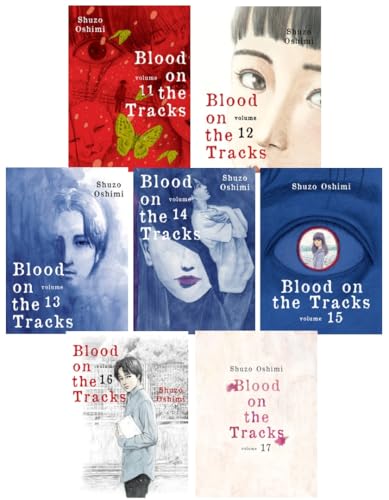
The official English release of ‘A Trail of Blood’ by Vertical Inc. is planned to be complete in 17 volumes. The Japanese version, Chi no Wadachi, also concluded with 17 volumes. Readers looking to purchase volumes should check with official retailers for the latest availability in their region for 2026.
Is there an ‘A Trail of Blood’ anime adaptation?
As of late 2026, there has been no official announcement of an anime adaptation for ‘A Trail of Blood’. While fans are hopeful, and other works by Shūzō Oshimi like ‘Flowers of Evil’ have been adapted, Chi no Wadachi remains a manga-only experience for now. Any news would likely come from the publisher, Shogakukan.
What are some manga similar to ‘Blood on the Tracks’?
If you enjoy ‘Blood on the Tracks’, you should read other works by Shūzō Oshimi, especially ‘Flowers of Evil’ (Aku no Hana). Other similar psychological horror manga include Inio Asano’s ‘Goodnight Punpun’ for its unflinching look at depression and dysfunctional relationships, and the works of Junji Ito like ‘Uzumaki’ for their unique brand of cosmic and body horror.
Is ‘A Trail of Blood’ worth reading?
Yes, ‘A Trail of Blood’ is absolutely worth reading if you are a fan of psychological horror and character-driven stories. It is a masterclass in building tension and exploring disturbing themes with artistic depth. However, be warned: it is an intense, unsettling manga that deals with heavy subject matter and offers no easy answers.
Final Thoughts on A Trail of Blood Manga
A Trail of Blood is more than just a manga about a toxic mother; it is a profound and unsettling exploration of trauma, control, and the shadows that can lurk within the most sacred family bonds. Shūzō Oshimi doesn’t just tell a story; he meticulously crafts an atmosphere of existential dread that forces readers to confront uncomfortable truths about human nature. Through the eyes of Seiichi Osabe, we experience the horror of having our reality systematically dismantled by the one person meant to build it.
This psychological horror manga stands as a modern classic, not for what it shows, but for what it makes you feel. It’s a challenging read that rejects easy answers, instead offering a realistic and haunting look at the lifelong echoes of abuse. If you are prepared for a story that will linger with you long after the final page, then this masterpiece is an essential experience.
What was the moment in the manga that you found most unsettling? Share your thoughts in the comments below.
Last update on 2026-04-11 / Affiliate links / Images from Amazon Product Advertising API


