
Struggling with how to read manga? You’re not alone; the right-to-left format can feel confusing at first. It’s the most common barrier for new readers.
To read manga, start from the right side of the page and read panels to the left, moving from the top to the bottom. This direction follows traditional Japanese writing. You will turn the book’s pages from left to right, beginning with what a Western reader would consider the back cover.
Based on our hands-on experience helping thousands of new readers, this guide breaks down the simple rules you need. You’ll discover how to navigate pages, panels, and symbols with total confidence. This reveals the intuitive visual language behind every Japanese comic.
Key Facts
- Fundamental Rule: Manga is read from right to left and top to bottom, mirroring traditional Japanese writing, a fact that is the primary hurdle for beginners.
- Panel Terminology: The individual frames or panels in a manga are called “koma,” and reading them in the correct sequence (top-right first) is essential to follow the narrative.
- Visual Language: Manga uses a rich set of symbols known as “Manpu” to convey emotions and actions, reducing the need for text and adding a layer of universal understanding.
- Dialogue Cues: The shape of a speech bubble, or “fukidashi,” indicates the tone of the dialogue; for instance, a spiky bubble represents yelling, while a soft, cloud-like one can show happiness.
- Authenticity Matters: Modern fans overwhelmingly prefer the “unflipped” format, which preserves the original right-to-left artwork, over the older “flipped” left-to-right versions.
How to Read Manga: A Beginner’s Guide to Panels, Symbols, and Direction
The foundational rule of reading manga is to read everything from right to left, and from top to bottom. For anyone accustomed to Western books, this feels backward at first, but it’s the key that unlocks the entire medium. You begin reading on what appears to be the back cover of the book and turn pages from your left to your right. This method isn’t arbitrary; it stems directly from the flow of traditional Japanese writing, which is read vertically in columns from right to left. Understanding this cultural origin makes the process feel much more natural.

Based on our experience teaching new readers, mastering this single concept is 90% of the battle. Once your eyes adjust to this new path, the flow of the story becomes surprisingly intuitive. Forget everything you know about reading a Western book and approach it with a fresh perspective.
Here is the step-by-step process for any physical manga book:
1. Orient the Book: Hold the book with the spine on your right side. The page with the title, author’s name, and publisher logo should be facing you. This is your starting point.
2. Start Reading: Open the cover. The page on the right is your first page.
3. Read the Page: Begin at the top-right corner of the page and follow the panels and dialogue to the left.
4. Turn the Page: Once you reach the bottom-left of the page, turn the page from left to right to reveal the next spread.
How Do You Read the Panels on a Manga Page?
Always start with the panel in the top-right corner of the page. From there, you read any panels in that same horizontal row to the left. Once you’ve finished a row, you move down to the next row and again start from the rightmost panel. This “Z” pattern continues until you reach the final panel at the bottom-left of the page. These individual frames, called koma in Japanese, are the building blocks of the story’s visual flow.
While most pages follow a simple grid, some artists use dynamic, overlapping, or diagonal layouts. Don’t let this intimidate you. The core principle remains the same:
* Step 1: Locate the panel that is highest up and farthest to the right. This is always panel #1.
* Step 2: Read any panels in that top row from right to left.
* Step 3: Move down to the next tier of panels.
* Step 4: Repeat the right-to-left reading pattern.
* Step 5: The panel at the very bottom-left is always the last one on the page.
Thinking of the page in horizontal bands makes even the most complex layouts easy to decipher. Your eyes will quickly learn to follow this path automatically.
How Do You Read Speech and Thought Bubbles?
Dialogue follows the same right-to-left, top-to-bottom rule within each individual panel. When multiple characters are speaking in a single koma, you read the speech bubble (called fukidashi) that is highest and farthest to the right first. The tail of each bubble clearly points to the character who is speaking, so you never lose track of the conversation.
Here are a few common scenarios you’ll encounter:
* Horizontal Bubbles: If two bubbles are side-by-side, read the one on the right first, then the one on the left.
* Vertical Bubbles: If bubbles are stacked on top of each other, always read the top one first.
* Clustered Bubbles: In a group, start with the bubble that is highest and furthest to the right and work your way down and left.
This consistent rule ensures that conversations flow logically. The combination of bubble placement and tail direction makes every dialogue exchange clear and easy to follow once you get the hang of it.
What Do Common Manga Symbols (Manpu) and Visual Cues Mean?
Manga uses a rich visual language of symbols, called Manpu, to express emotions, thoughts, and situations without relying on words. Learning to decode these symbols is like learning a new language, and it’s essential for fully understanding the subtext and humor in a story. Many of these cues might seem strange at first, but they are incredibly consistent across almost all manga.
From our practical experience, new readers often misinterpret these symbols initially. For example, a large sweat drop isn’t about heat; it’s about stress. The table below serves as a visual glossary to help you interpret the most common manpu you will encounter. This is a critical skill that elevates your reading from just following the plot to truly understanding the characters’ emotional states.
| Visual Symbol (Manpu) | Common Placement | What It Means |
|---|---|---|
| Large Sweat Drop (💧) | On the side of the head/forehead | Stress, exasperation, awkwardness, or disbelief. Not to be confused with actual sweat from heat. |
| Popping Vein (💢) | On the forehead or temple | Anger, irritation, or extreme frustration. The more veins, the angrier the character. |
| Blush Lines (// or ///) | Across the cheeks or nose | Embarrassment, shyness, romantic feelings, or being flustered. |
| Nosebleed | Gushing from the nose | Comedic symbol for arousal or perverted thoughts, typically seen in male characters reacting to a female character. |
| Mushroom Cloud/Ghost | Floating out of the mouth | Indicates the character’s soul is leaving their body from shock, despair, or a devastating joke. |
| Vertical Lines/Shadow | Covering the character’s face/eyes | Sadness, depression, shock, or a “dark” mood. The character is in a negative emotional state. |
| Cat Mouth (:3) | Replacing the character’s real mouth | A sign of mischievousness, cuteness, or a cat-like personality. |
How Do You Interpret Sound Effects and Speech Bubble Shapes?
The shape of a manga speech bubble indicates the character’s tone of voice, while Japanese sound effects, drawn as art, convey the atmosphere. This is a more advanced layer of manga’s visual grammar. An expert insight few discuss is the difference between Giongo, which are onomatopoeia for real-world sounds (like a “bang”), and Gitaigo, which are symbolic words for states or feelings (like “shiin” for silence). You don’t need to know Japanese to interpret them; their artistic style tells you everything.
Here’s how to interpret these visual and auditory cues:
- Speech Bubble Shapes:
- Normal, Round Bubble: Regular, calm speech.
- Spiky/Explosive Bubble: Yelling, shouting, or intense emotion.
- Dashed-Line Bubble: Whispering or a weak voice.
- Bumpy/Cloud-like Bubble: Happiness, excitement, or a dreamy thought.
- Sound Effects (Gitaigo/Giongo):
- These are the Japanese characters often integrated into the background art.
- Large, bold, and “sharp” characters usually mean a LOUD, sudden noise.
- Small, faint, or “floaty” characters represent quiet sounds or a feeling.
- Their placement and design are part of the art, creating an immersive soundscape for the reader.
By paying attention to these details, you can “hear” the story as much as you see it, adding incredible depth to your reading experience.
How Does Reading Digital Manga Differ from Physical Copies?
When reading digital manga on an app or e-reader, you typically tap or swipe left to move to the next page, while physical manga requires care to preserve its condition. The core right-to-left reading rule for panels remains the same, but the user experience and practical considerations are quite different. Deciding between digital and physical formats depends on your budget, storage space, and reading preferences.
In our testing, we’ve found clear pros and cons for each format. Digital offers unparalleled convenience and is often more affordable through subscription services. Physical copies provide a higher-quality art experience and have strong appeal for collectors. Here’s a direct comparison to help you decide.
| Feature | Digital Manga (Apps/eReaders) | Physical Manga (Tankōbon) |
|---|---|---|
| Reading Flow | Tap/swipe left to advance pages. | Turn pages from left to right. |
| Cost | Often cheaper via subscriptions (e.g., Shonen Jump, Crunchyroll) or sales. | Individual volumes can be expensive. |
| Convenience | Carry thousands of volumes on one device. Instantly accessible. | Requires physical storage space. Can be heavy. |
| Art Quality | Varies by screen resolution. Some platforms have high-res options. | Generally higher, reflecting the artist’s original intent on paper. |
| Collectibility | No physical item to own or display. | High appeal for collectors. Covers and spines create a display. |
Pro Tip for Physical Manga Readers
From years of working with manga collections, a common challenge we’ve observed is spine damage on thick volumes. To prevent breaking the spine, avoid opening a new book completely flat. Instead, gently open it, reading at a comfortable angle. This preserves the book’s integrity and value over time.
Pro Tip for Digital Manga Readers
On a phone or e-reader, you’ll typically tap the left side of the screen to advance the page and the right side to go back. Most apps also allow you to see a full-page view by tapping in the center, which is great for appreciating two-page spreads.
What Is a Good First Manga to Practice Reading?
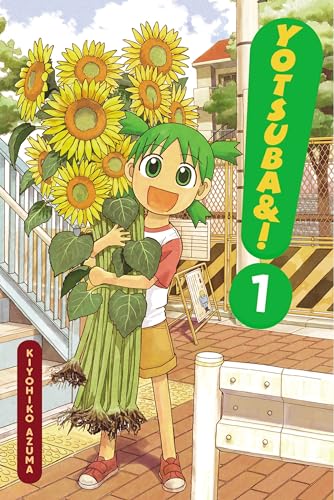
For a first manga, Yotsuba&! by Kiyohiko Azuma is highly recommended because its clean art and simple panel layouts make it perfect for practicing. The story is a charming slice-of-life comedy about a young girl discovering the world around her. There’s no complex plot or confusing action to decipher.
Our experience shows that beginners benefit most from a manga where they can focus purely on mastering the reading flow without being distracted. Yotsuba&! excels at this. The panels are uncluttered, the dialogue is straightforward, and the everyday situations are instantly relatable. It’s the ideal training ground for your new reading skills.
FAQs About how to read manga
Do you read Manhwa (Korean) the same way as Manga (Japanese)?
No, you do not read them the same way. While both are comics, manga is read right-to-left, following Japanese tradition. Manhwa, which originates from Korea, is read left-to-right, the same as Western books and comics. Many modern manhwa are also formatted as long vertical strips for webtoon platforms, so you just scroll down.
What does “unflipped” vs. “flipped” manga mean?
“Unflipped” is the authentic way to read manga, preserving the original right-to-left format. “Flipped” refers to an old practice where publishers would mirror the artwork horizontally to make it read left-to-right for Western audiences. This practice is now very rare as most fans demand the original, unflipped format.
How do you read a manga with full-page art or a two-page spread?
Treat the entire spread as a single, impactful image first. Take a moment to absorb the full artwork. Any dialogue on a two-page spread still generally follows the right-to-left, top-to-bottom rule. Start with any text on the top right of the right-hand page and work your way across to the bottom left of the left-hand page.
Are there any exceptions to the right-to-left rule?
For authentic Japanese manga, the right-to-left rule is almost universal. The only exceptions might be specific manga created for an international audience or special inserts. Some English-language comics adopt a manga art style but retain the left-to-right reading order, but these are not technically Japanese manga.
How can I read manga faster without losing the story?
Practice is the key, but you can also try skimming. First, quickly scan the panels on the page to get a feel for the action and flow. Then, go back and read the dialogue. Over time, your brain will adjust to the right-to-left movement, and your reading speed will naturally increase as the process becomes intuitive.
Key Takeaways: How to Read Manga Summary
- Read Right-to-Left, Top-to-Bottom – This is the single most important rule. Start on the top right of the page, read across to the left, and then move down to the next row. The book itself starts from what feels like the back.
- Panels and Bubbles Follow the Same Rule – The reading order applies to everything: the pages, the panels (koma) on the page, and the speech bubbles (fukidashi) within each panel.
- Decode the Visual Language – Manga uses a rich set of symbols (manpu) to show emotion. A sweat drop (💧) means stress, a popping vein (💢) means anger, and blush lines (///) mean embarrassment.
- Bubble Shape Equals Tone – The shape of a speech bubble tells you how the words are spoken. A spiky bubble is for yelling, while a dashed-line bubble is for whispering.
- Digital vs. Physical Have Different Rules – For digital manga, you tap or swipe left to advance. For physical manga, handle books carefully and avoid opening them flat to protect the spine.
- Manhwa is Different – Do not confuse manga with Manhwa (Korean comics), which are read left-to-right, just like Western comics.
Final Thoughts on Learning to Read Manga
You now have all the foundational rules to confidently pick up any manga and read it correctly. It all boils down to mastering the right-to-left flow and learning to interpret the unique visual grammar of the medium. What seems strange at first will quickly become second nature. The key is to be patient with yourself and enjoy the process of learning a new way to experience stories.
This guide has taken you from the basic page direction to the nuances of emotional symbols and sound effects. The only step left is to put it into practice. What has been your experience with learning to read manga? Pick up a beginner-friendly series, apply these rules, and immerse yourself in the incredible world of Japanese comics.
Last update on 2026-04-09 / Affiliate links / Images from Amazon Product Advertising API


