
Struggling to find a manga that truly understands the aromantic and asexual experience? You’re looking for a story that goes beyond romance, exploring identity with honesty and heart.
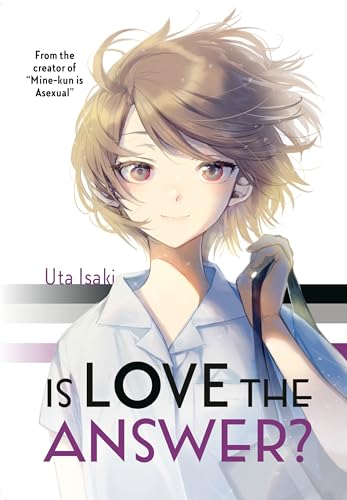
‘Is Love the Answer?’ by Uta Isaki is a poignant coming-of-age story about Chika, a young woman who feels alienated by society’s focus on romantic love. She navigates her identity as an aromantic asexual person, eventually entering a platonic, pragmatic marriage with a gay man to build a life on her own terms, exploring themes of identity, companionship, and self-acceptance.
Based on an in-depth analysis of the source material, this guide unpacks the manga’s nuanced portrayal of ace/aro identity. You will discover how it provides authentic representation, explores platonic partnerships, and offers a mature, character-driven narrative that resonates deeply.
Key Facts
- Definitive Ace/Aro Story: ‘Is Love the Answer?’ is a Japanese manga series by Uta Isaki specifically centered on an aromantic and asexual protagonist, a rare focus in mainstream manga.
- Single Volume Narrative: The entire story is self-contained within a single, completed volume, making it an accessible and impactful read without a long-term commitment.
- Mature Demographic: The manga was serialized in Kodansha’s “Hatsu Kiss” magazine, which targets a Josei (adult women) audience, indicating its focus on mature themes and complex emotional journeys.
- Platonic Partnership Focus: The plot revolves around a “lavender marriage,” a marriage of convenience between the asexual protagonist and a gay man, exploring partnership outside of traditional romance.
- Official English Publication: The series is officially licensed and published in English by Kodansha USA, making it legally available to a global audience in both digital and physical formats.
What Is the ‘Is Love the Answer?’ Manga About?
The manga ‘Is Love the Answer?’ by Uta Isaki is a poignant coming-of-age story about Chika, a young woman who feels alienated by society’s focus on romantic love. She navigates her identity as an aromantic asexual person, eventually entering a platonic, pragmatic marriage with a gay man to build a life on her own terms, exploring themes of identity, companionship, and self-acceptance.

This slice-of-life Josei manga follows Chika, a university student who has always felt like an outsider because she has never experienced romantic or sexual attraction. She watches her friends fall in love, feeling pressured by a world that equates happiness with romance, a concept known as amatonormativity. Believing she is somehow “broken,” her journey is one of deep introspection and quiet struggle. The story provides a comprehensive synopsis of her path to self-discovery, where she eventually finds the language to understand herself—aromantic and asexual—and seeks a different kind of partnership.
The narrative is a character-driven story that offers a quiet yet powerful look into finding one’s place in the world. It provides a mature and respectful exploration of LGBTQ+ identities often underrepresented in media. For a quick overview, here are the essential details of this impactful manga.
| Attribute | Detail |
|---|---|
| Japanese Title | Koi wa Kotae wo Ageru (恋は答えをあげない) |
| Author & Artist | Uta Isaki |
| Genre | Slice of Life, Josei, LGBTQ+, Mature |
| Publisher (English) | Kodansha USA |
| Original Magazine | Hatsu Kiss |
| Status | Completed |
Who Are the Main Characters in ‘Is Love the Answer?’
The main characters of ‘Is Love the Answer?’ are Chika, the aromantic asexual protagonist, and Tomame, her gay, pragmatic roommate who becomes her husband. Chika is introspective and struggles with feeling “broken” before discovering her identity. Tomame is more world-weary and seeks the stability and companionship of a platonic marriage. Their relationship forms the core of the story.
This character-driven story hinges on the dynamic between its two leads. Their motivations and personalities are central to the manga’s exploration of unconventional relationships.
- Chika (Protagonist): Chika is the heart of the story. She is a quiet and thoughtful university student who has spent years feeling isolated by her lack of romantic and sexual feelings. Her internal monologue reveals a deep-seated fear of being abnormal. Chika’s journey is not about finding a cure but about finding a name for her experience and the peace that comes with self-acceptance. She represents anyone who has ever felt like they don’t fit into society’s neat boxes.
Tomame (Supporting Character): Tomame is a gay man who is more experienced and pragmatic than Chika. He understands the pressures of living a life that doesn’t conform to societal expectations. Tired of the dating scene and seeking stability, he sees a platonic marriage as a practical solution for a peaceful life. He provides a calm, accepting presence for Chika, and their bond is built on mutual respect and shared goals, not romance.
How Is Chika’s Journey as an Aromantic Asexual Protagonist Depicted?
The manga portrays Chika’s journey realistically, focusing on her internal struggle with amatonormativity. It shows her researching online, encountering terms like ‘asexual’ and ‘aromantic’ for the first time, and experiencing the profound relief of self-identification. The story emphasizes that her journey is not about finding a cure but about finding acceptance and a way to live authentically.
Chika’s identity discovery manga arc is depicted as a process of “coming out to yourself.” Initially, her internal monologue is filled with confusion and self-doubt. She questions why she can’t feel what her friends feel, leading her to believe something is fundamentally wrong with her. A pivotal moment occurs when she stumbles upon information about asexuality online.
The manga excels in showing this moment not as a dramatic spectacle, but as a quiet, earth-shattering revelation. The internal thought process is one of profound relief: the realization that she isn’t “broken,” but that there is a word for her experience.
From there, her journey focuses on unpacking what it means to be an aromantic asexual protagonist. She learns to separate the societal pressure to be in a romantic relationship from her genuine desire for companionship. This process isn’t instant; it’s a gradual path of unlearning harmful ideas and building a new foundation of self-worth based on her own terms.
How Does ‘Is Love the Answer?’ Portray Asexuality and Aromanticism?
‘Is Love the Answer?’ portrays asexuality and aromanticism with rare authenticity by treating them as distinct identities. It clearly shows the protagonist, Chika, identifying as both aromantic (not feeling romantic attraction) and asexual (not feeling sexual attraction). The story avoids common tropes by focusing on her internal journey of acceptance rather than trying to “fix” her, making it a benchmark for ace representation in manga.
The manga serves as an excellent introduction to complex queer identity concepts by grounding them in a personal, relatable narrative. It provides significant information gain by breaking down these ideas.
A Clear Look at Asexuality
The story defines asexuality not as a choice or a medical condition, but as an innate lack of sexual attraction. Chika’s experience highlights the difference between appreciating someone’s appearance and feeling a sexual desire for them, a nuance often lost in media. It directly counters the problem of asexual erasure in literature by putting this identity front and center.
Understanding Aromanticism
Crucially, the manga also explains aromanticism as distinct from asexuality. Through Chika, readers understand that not feeling romantic attraction is also a valid orientation.
The narrative masterfully illustrates the concept of the split attraction model, the idea that romantic and sexual attraction are not always linked. Chika is both aromantic and asexual, but the story implicitly shows that someone could be one without the other.
Exploring the “Lavender Marriage”
The pragmatic relationship between Chika and Tomame is a depiction of a “lavender marriage”—a marriage of convenience. This is not shown as a sad compromise. Instead, it’s framed as a proactive choice by two people to build a life partnership based on shared values, mutual support, and deep companionship, free from the pressures of romance. It champions the idea of queerplatonic relationships, highlighting that a primary partnership doesn’t have to be romantic to be valid and fulfilling.
Where Can You Read or Buy ‘Is Love the Answer?’ Manga?
You can legally read and purchase the ‘Is Love the Answer?’ manga through several official channels. The English release is handled by Kodansha USA, ensuring wide availability on popular platforms for both digital and physical formats.
To support the author and official publishers, consider these options:
- Digital Formats: For instant reading, the manga is available on major digital comic platforms. You can find it on Amazon Kindle, BookWalker, ComiXology, and Google Play Books. This is a great way to read the series on your tablet, phone, or computer.
Physical Copies: If you prefer a physical copy for your collection, it can be ordered from major online book retailers. Check out online stores like Amazon, Barnes & Noble, and Right Stuf Anime. You may also find it at your local comic book store or bookstore.
Publisher’s Website: The official Kodansha USA website is a central hub. It provides links to all supported digital and retail partners, ensuring you are purchasing from a legitimate source.
FAQs About Is Love the Answer? Manga
How many volumes of ‘Is Love the Answer?’ are there?
The ‘Is Love the Answer?’ manga series is complete and consists of a single, self-contained volume. This makes it a quick and accessible read without the commitment required for a long-running series. Its focused, one-volume format allows it to tell its poignant coming-of-age story concisely and powerfully.
Is ‘Is Love the Answer?’ manga completed?
Yes, ‘Is Love the Answer?’ is a completed manga series. The story is fully concluded within its single volume, which was originally serialized in Kodansha’s Hatsu Kiss magazine. Readers can enjoy the entire narrative from beginning to end without waiting for future installments.
Does ‘Is Love the Answer?’ have romance?
No, the manga intentionally subverts traditional romance tropes. While it involves a marriage, the central relationship is platonic and pragmatic. The story’s main theme is about finding fulfillment and partnership outside of romantic love, focusing on the protagonist’s identity as an aromantic and asexual person.
Is ‘Is Love the Answer?’ a BL (Boys’ Love) manga?
No, ‘Is Love the Answer?’ is not a BL manga. While it features a prominent gay male character, the story’s focus is on the aromantic asexual female protagonist, Chika. The relationship between Chika and her gay husband is entirely platonic and is not depicted in a romantic or sexual way.
Is there an anime adaptation of ‘Is Love the Answer?’
As of April 2026, there is no official anime adaptation of ‘Is Love the Answer?’. The story currently exists only in its original manga format. Fans interested in the narrative will need to read the manga, which is available in both physical and digital English editions from Kodansha.
What is the genre of ‘Is Love the Answer?’
The primary genres are Slice of Life, Josei, and LGBTQ+. “Slice of Life” refers to its realistic depiction of everyday experiences. “Josei” means it’s targeted toward an adult female audience, dealing with mature themes. “LGBTQ+” reflects its focus on aromantic, asexual, and gay identities.
How does the marriage plot work in ‘Is Love the Answer?’
The marriage in the story is a “lavender marriage,” a marriage of convenience between non-romantic partners. Chika, an aromantic asexual woman, and Tomame, a gay man, get married for practical reasons: to appease family, secure housing, and build a supportive, platonic life partnership together, free from societal expectations of romance.
Is ‘Is Love the Answer?’ appropriate for teens?
‘Is Love the Answer?’ is rated for a mature audience (16+). While it does not contain explicit graphic content, it deals with complex adult themes such as sexual identity, societal pressures, mental health, and the concept of a pragmatic marriage. The themes and discussions are best suited for older teens and adults.
Key Takeaways: ‘Is Love the Answer?’ Manga Summary
This manga offers a refreshing and necessary perspective in the world of comics. It’s more than just a story; it’s a validation for many who rarely see themselves represented. Here are the final thoughts on why ‘Is Love the Answer?’ is such a significant work.
- Benchmark for Ace/Aro Representation: The manga is a standout example of authentic representation, clearly distinguishing between aromantic and asexual identities and exploring them with nuance and respect.
- Focus on Platonic Partnership: ‘Is Love the Answer?’ champions the validity of non-romantic relationships by making a supportive, pragmatic relationship (a lavender marriage) its central focus, subverting traditional romance narratives.
- A “Coming Out to Yourself” Story: The narrative excels as a coming-of-age story that focuses on the internal journey of self-discovery and acceptance, making it highly relatable for those who have questioned their place outside societal norms.
- Mature, Character-Driven Narrative: As a Josei manga, it offers a character-driven story with emotional depth and realistic dialogue, targeted at an adult audience interested in introspective themes over high-octane plot.
- A Quick and Impactful Read: Being a single, completed volume, it delivers a powerful and poignant narrative without requiring a major time investment, making it an accessible entry point for readers new to LGBTQ+ manga.
Last update on 2026-04-06 / Affiliate links / Images from Amazon Product Advertising API


