
Struggling to make your art look like the real deal? You pour hours into your drawings, but they still have that frustrating amateur look, lacking the dynamic energy and professional finish you see in authentic manga.
Learning how to draw anime and manga like a pro involves mastering authentic Japanese techniques, understanding character design basics, and utilizing specific tools and workflows taught by professional Japanese artists. This approach moves beyond common mistakes to achieve a clean, dynamic, and expressive art style.
Drawing from the proven methodologies of published in Shonen Jump artists and animators, this guide unveils the secrets to transforming your work. You’ll discover the professional manga techniques that bridge the gap between aspiring artist and pro. Prepare to elevate your art with these insider tips.
Master Anime & Manga: 7 Pro Japanese Drawing Tips
Moving beyond basic tutorials is the first step to truly learn how to draw anime with a professional finish. The journey from a hobbyist to an artist capable of producing industry standard work is paved with specific, actionable insights from those who live and breathe the craft. This is where the japanese pro drawing secrets come into play. This guide distills seven critical areas of focus, directly from the workflows of professional mangaka tutorials, to help you overcome common hurdles like stiff poses and flat coloring, and finally achieve that coveted authentic anime drawing style. Each tip is a building block toward mastering the art form.
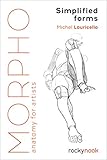
1. Master Dynamic Poses & Proportions with Japanese Anatomy Insights

Pin this essential anatomy for artists guide to your ‘Anime Drawing Tips’ board!
One of the biggest tells of an amateur artist is stiff, lifeless poses caused by incorrect proportions. To draw manga like a pro, you must first master the underlying structure of the human body. Japanese artists often emphasize a deep understanding of anatomy for artists, but adapt it for the stylized world of anime and manga. This means learning not just static anatomy, but the principles of dynamic movement and gestural drawing flow. By focusing on the energy and rhythm of a pose before adding details, you can achieve the powerful, action-packed scenes common in Shonen Jump publications. This foundational skill is essential for creating believable characters that connect with the viewer.
What You Need
- Anatomy for Artists reference books (specifically focused on dynamic motion and manga proportions)
- Poseable drawing mannequin or 3D art reference app (e.g., Clip Studio Paint’s 3D models for anime outline techniques)
- Sketchbook with smooth, bleed-resistant paper
- Graphite pencils (HB, 2B) and kneaded eraser
Steps
- Begin by sketching loose gestural drawing flow to capture the overall movement and energy of the pose, ignoring minute details.
- Outline the basic skeletal structure and simplified forms (cubes, cylinders) for the head, torso, and limbs to establish anatomical accuracy and initial proportions.
- Refine the forms by adding muscle groups and adjusting joint positions, ensuring a natural dynamic movement that avoids stiff poses.
- Continuously compare your drawing against professional japanese manga artist references, focusing on the subtle differences in anime vs manga anatomy.
- Practice rendering various perspectives of the same pose to internalize foreshortening techniques and strengthen spatial awareness.
Pro-Tip: Many certified japanese instructor artists emphasize character silhouette theory—ensure your character’s pose is recognizable and impactful even in pure black and white. This is crucial for visual storytelling rhythm in manga.
2. Ink with Precision: Traditional G-Pen & Digital Line Art Techniques

Pin this inking process masterclass to your ‘Manga Art Tools’ board!
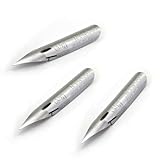
Messy lineart can instantly undermine a well-drawn sketch. The hallmark of a professional anime style is crisp, confident clean lines. Historically, mangaka have relied on traditional japanese inking methods for manga artists, with the iconic G-pen nibs being a favorite for their ability to create expressive ink weight variation. Mastering the pressure and angle of a G-pen is a rite of passage. Today, many pros have transitioned to digital manga art using software like Clip Studio Paint, but the principle remains the same. Whether traditional or digital, dedicated pen control exercises are essential to develop a steady hand and achieve the bold, decisive lineart that defines professional manga.
What You Need
- G-pen nibs (e.g., Nikko or Tachikawa brand) and a nib holder
- Waterproof black ink specifically for manga (e.g., Deleter brand)
- High-quality smooth paper (e.g., Maru pen paper or Bristol board)
- Optional: Wacom tablet or pen display monitor for digital manga art
- Optional: Clip Studio Paint software
Steps
- Start with a clean, light pencil sketch on your paper. If working digitally, create a new layer for lineart above your sketch.
- Dip your G-pen nib into the ink, ensuring not to overload it. For digital artists, select a brush tool that emulates a traditional pen.
- Begin inking outlines, applying consistent pressure for clean lines. Vary pressure to create ink weight variation—thicker lines for foreground elements, thinner for details.
- Focus on precise strokes, avoiding re-tracing or hesitation, which can lead to messy lineart. Use pen control exercises to steady your hand.
- For digital art, utilize layer blend modes and vector layers to refine lines and make adjustments easily, mimicking the traditional inking process with greater flexibility.
Pro-Tip: Many professional mangaka practice cross-hatching mastery for dynamic shadows and textures. Pay attention to the direction and density of your lines to define form and light without excessive shading.
3. Craft Expressive Faces: Capturing Emotion in Anime Characters

Save this drawing manga faces guide to your ‘Character Design’ board!
A character’s soul is in their expression. Drawing manga faces is more than just placing features correctly; it’s about conveying emotion and personality. The eyes are famously the window to the soul in manga, and learning how to draw anime eyes like a pro is a critical skill. However, true emotion comes from the subtle interplay between the eyes, eyebrows, and mouth. Professional mangaka tutorials emphasize studying a vast library of expressions to build a visual vocabulary. This allows you to create a truly original character design that feels alive, whether you’re aiming for a cute kawaii look, a heartwarming moe aesthetic, or intense shonen-style drama.
What You Need
- Manga-specific facial expression guide book or online tutorials focusing on expressive anime faces
- Sketchpad or digital canvas
- Pencils (HB, 2B) or digital pen
- Optional: Copic markers or digital coloring tools for rendering vibrant colors
Steps
- Begin by sketching the basic head shape and guidelines for the eyes, nose, and mouth, ensuring correct japanese proportions.
- Focus on the anime eyes, which are crucial for expression. Learn how to draw various shapes, sizes, and pupil placements to convey emotions like joy, surprise, or determination.
- Experiment with eyebrow angles and shapes (e.g., raised for surprise, furrowed for anger) as they significantly impact the overall facial expression.
- Practice drawing different mouth shapes – open, closed, smiling, frowning – ensuring they align with the chosen emotion.
- Combine these elements, paying attention to subtle wrinkles or blush marks, to create cohesive and truly expressive anime faces for your original character design.
Pro-Tip: Many professional anime style artists utilize character silhouette theory not just for poses but also for facial expressions. A strong, easily recognizable expression even in silhouette is a sign of effective visual storytelling rhythm.

4. Master Hair & Clothing Folds: Adding Dynamic Flow to Characters

Pin this how to draw hair and clothing guide to your ‘Anime Anatomy’ board!
Static hair and clothing can make even the most dynamic pose feel flat. Learning how to draw hair that flows and manga clothing folds that obey gravity is key to adding life and dynamic movement to your characters. Pros think of hair and clothes as extensions of the character’s form and action. Instead of drawing individual strands, they group hair into large, flowing shapes that have volume and weight. Similarly, they understand that clothing folds are created by tension and compression points on the body. By mastering these concepts and applying simple cel-shading to define form, you can add a layer of realism and professionalism to your art.
What You Need
- Anime hair and clothing folds tutorial books or online resources
- Pencils (HB, 2B) and eraser
- Sketchpad or digital drawing software
- Reference images of different hair types and fabric textures
Steps
- Begin sketching the basic shape and volume of the hair, considering its flow and how it interacts with the head and gravity. Focus on large, sweeping shapes rather than individual strands.
- Break down hair into distinct sections or “chunks,” then outline the general direction and curve of each segment. Varying the length and thickness creates more dynamic movement.
- For manga clothing folds, first define the underlying anatomy of the body, then draw the fabric on top, indicating where it would stretch, gather, or hang based on gravity and movement.
- Identify tension points (e.g., shoulders, elbows, knees) and compression points (e.g., armpits, crotch) where folds naturally form, creating realistic manga clothing folds.
- Use cel-shading techniques to add dimension to both hair and clothing, showing light and shadow to enhance their form and volume, contributing to a professional finish.
Pro-Tip: Professional anime style artists often use gestural drawing flow principles for hair and clothing, too. Think of them as extensions of the character’s pose, flowing with the action to enhance visual storytelling rhythm.

5. Compose Compelling Backgrounds: Master Perspective for Manga Storytelling

Pin this manga background art tutorial to your ‘Manga Composition’ board!
A character doesn’t exist in a vacuum. Compelling manga background art is crucial for establishing setting, mood, and atmosphere. Many aspiring artists neglect backgrounds, but pros know they are a vital part of storytelling. Mastering perspective basics—whether it’s one, two, or three-point perspective—is non-negotiable for creating believable environments. Beyond technical accuracy, professional artists use cinematic composition in manga to frame their characters and guide the reader’s eye. Learning how to draw manga backgrounds effectively means learning to create a world that supports and enhances your narrative, making the entire panel more immersive.
What You Need
- Perspective drawing textbooks or online courses specializing in manga background art
- Rulers, set squares, and a compass
- Large drawing paper or digital canvas
- Reference photos of real-world locations or architectural designs
- Optional: Clip Studio Paint with its perspective ruler tools
Steps
- Start by outlining the horizon line and vanishing points on your canvas, establishing the perspective basics for your scene.
- Draw basic geometric shapes (cubes, cylinders) to represent buildings or objects in your background, extending lines to the vanishing points to ensure accurate perspective.
- Refine these shapes into more detailed elements, paying attention to how objects recede into the distance and diminish in size, creating depth in your manga background art.
- Integrate cinematic composition in manga by framing elements to guide the viewer’s eye and enhance the emotional impact of the scene.
- Practice drawing a variety of backgrounds, from simple interiors to complex cityscapes, to master different isometric perspective in backgrounds and environmental storytelling.
Pro-Tip: Many professional mangaka use negative space in paneling to highlight characters against a detailed background. Ensure your background doesn’t overwhelm the focal point, using visual storytelling rhythm to balance complexity.

6. Color & Shade Like a Pro: Dynamic Effects & Sub-Surface Scattering

Pin this advanced anime coloring techniques guide to your ‘Digital Art Mastery’ board!
Flat coloring is a common issue that makes artwork feel lifeless. Professional coloring and shading are what give modern anime and manga illustrations their vibrant, polished look. This goes far beyond simply filling in lines. Pros have a deep understanding of color theory for anime and use advanced digital techniques to create depth and realism. Learning to use layer blend modes for effects and implementing subtle but powerful details like sub-surface scattering in anime (the effect of light passing through translucent objects like skin) can dramatically elevate your art. Adding finishing touches like a hint of chromatic aberration in digital art can push your work into the realm of a true professional finish.
What You Need
- Digital art software (e.g., Clip Studio Paint, Photoshop)
- Drawing tablet (e.g., Wacom tablet)
- Online tutorials or courses on advanced anime coloring techniques and color theory for anime
- Reference images with dynamic lighting and color palettes
Steps
- Start with clean lineart and establish flat base colors on separate layers, ensuring accurate color theory fundamentals.
- Begin shading by identifying your light source and blocking in the primary shadows using a darker, desaturated version of your base color.
- Add secondary shadows and midtones, paying attention to how light interacts with different surfaces. Experiment with layer blend modes for effects to create depth and atmosphere.
- Implement advanced techniques like sub-surface scattering in anime for skin tones, adding a subtle warm glow where light passes through translucent areas like ears or fingertips.
- Apply highlights strategically to create shine and contrast, and consider adding a touch of chromatic aberration in digital art for a stylized, professional effect.
Pro-Tip: Many professional anime style artists utilize custom brush creation to achieve specific textures and lighting effects. Experimenting with brush settings in Clip Studio Paint can significantly enhance your rendering capabilities and professional finish.

7. Iterate & Refine: The Professional Mangaka’s Feedback Loop

Pin this essential expert critique tip to your ‘Art Improvement’ board!
No artist improves in a vacuum. The most crucial, yet often overlooked, part of a professional’s workflow is the cycle of feedback + critique. Seeking out personal guidance from a mentor or Sensei is a cornerstone of Japanese artistic tradition. A certified japanese instructor can provide invaluable expert critique that helps you see your own work objectively, identifying weaknesses you might miss. This process of critiquing and implementing feedback is the fastest path to genuine practice + improvement. Platforms like a japanese art school online that offer this level of unlimited guidance are instrumental in fostering alumni success and developing a unique anime art style with expert help.
What You Need
- Completed or in-progress anime/manga artwork
- Access to personal guidance or expert critique (e.g., online art communities, mentorship programs, or a japanese art school online)
- An open mind and a willingness to learn
- Tools for making revisions (pencils, erasers, digital software)
Steps
- Actively seek expert critique on your artwork, specifically from experienced mangaka or certified japanese instructor. Be prepared for constructive criticism that goes beyond simple praise.
- Carefully listen to or read the feedback, identifying the key areas for practice + improvement such as incorrect proportions, messy lineart, or flat coloring.
- Prioritize the feedback, focusing on fundamental issues first before tackling stylistic nuances.
- Implementing the feedback directly into your revisions. Don’t be afraid to redraw sections entirely; this is part of the mastering process.
- Continuously iterate and refine your work, using each feedback loop as an opportunity for developing a unique anime art style with expert help and building your manga portfolio.
Pro-Tip: Many professional mangaka started by submitting their work to editor critiques or doujinshi circles. The ability to receive, process, and act on feedback is more crucial for success than initial talent. This fosters alumni success and a professional finish.
Key Takeaways: Your Quick Guide to learn how to draw anime manga from japanese pros
- Embrace Authentic Japanese Techniques for a Professional Finish. – Focus on the authentic anime drawing style and professional manga techniques taught by japanese manga artist experts to transcend the amateur look and achieve a true professional finish.
- Foundational Skills are Paramount for Dynamic Art. – Prioritize mastering anatomy and proportions, gestural drawing flow, and perspective basics as these are essential for creating dynamic movement and believable characters and scenes.
- Precision Inking is a Mark of Professionalism. – Develop clean lines and ink weight variation using traditional G-pen nibs or advanced digital tools to elevate your lineart from messy lineart to industry standard.
- Emotion is Key in Character Design. – Learn to draw expressive anime faces and anime eyes like a pro, ensuring your original character design effectively communicates a full range of emotions.
- Backgrounds are Integral to Storytelling. – Don’t neglect manga background art; master cinematic composition in manga and isometric perspective in backgrounds to add depth, atmosphere, and enhance visual storytelling rhythm.
- Advanced Coloring Techniques Bring Life to Your Art. – Move beyond flat coloring by rendering with vibrant colors, shading techniques, and advanced effects like sub-surface scattering in anime for a polished, lifelike appearance.
- Continuous Feedback and Refinement Drive Growth. – Actively seek expert critique and implement personal guidance from professional mangaka to continuously practice + improvement, which is vital for developing a unique anime art style with expert help.
People Also Ask About learn how to draw anime manga from japanese pros
How do Japanese pros draw anime?
Japanese pros draw anime by meticulously combining foundational art skills with specialized techniques like dynamic anatomy, expressive character design, precise inking with G-pens, and atmospheric backgrounds. They often follow structured workflows honed in studios, emphasizing visual storytelling rhythm and attention to detail for a professional finish.
Can I learn manga from a professional?
Yes, you absolutely can learn manga from a professional, and it’s highly recommended for aspiring artists aiming for a genuine “pro” look. Many japanese art school online platforms and workshops offer personal guidance from published mangaka and certified japanese instructor, providing authentic curriculum and expert critique.
What pens do Japanese manga artists use?
Japanese manga artists traditionally use a variety of specialized pens, with G-pen nibs being particularly iconic for their line weight variation and expressive quality. Other common tools include Maru pens for fine details, Saji pens for consistent lines, and increasingly, digital pens on tablets like Wacom tablet with software such as Clip Studio Paint for digital manga art.
Is there an online manga school from Japan?
Yes, there are legitimate online manga schools and academies that offer direct instruction from Japanese professionals, such as Anime Art Academy. These platforms often provide unlimited guidance, authentic Japanese techniques, and a structured curriculum designed to help students master professional manga techniques and achieve an industry standard level of skill.
How to design original manga characters?
To design original manga characters, focus on distinct silhouettes, expressive facial features, and consistent proportions derived from strong foundational anatomy. Develop a clear backstory and personality that influences their design, then refine their look through iteration and expert critique, ensuring they stand out in the competitive world of Shonen Jump-style art.
How long does it take to learn manga?
The time it takes to learn manga varies greatly depending on individual dedication, prior artistic experience, and the intensity of study. With consistent practice + improvement and personal guidance from professional mangaka, artists can achieve a competent professional finish in 1-3 years, but mastering the art is a lifelong journey of learning and critiquing.
What tools do I need for manga?
Essential tools for manga drawing include traditional items like G-pen nibs, manga ink, smooth paper, and pencils for sketching, or digital alternatives like a drawing tablet and software like Clip Studio Paint. Reference books for anatomy for artists, perspective basics, and color theory fundamentals are also crucial for professional finish.
How to draw anime hair for beginners?
For beginners, drawing anime hair starts with understanding its flow and volume as large shapes rather than individual strands. Break hair into distinct, simplified chunks, paying attention to how it frames the face and moves with gravity, then add texture and detail, moving from sketch to lineart.
What is the difference between anime and manga drawing?
While closely related, anime drawing focuses on dynamic movement for animation, often with simplified details for efficiency, whereas manga drawing prioritizes detailed panel composition, expressions, and inking for static imagery. Both share common character design principles and japanese proportions, but their final application differs.
How do pros color manga?
Professional mangaka often color digitally using software like Clip Studio Paint, employing techniques such as cel-shading, layer blend modes for effects, and advanced rendering for lighting and texture. They meticulously select color palettes based on color theory for anime and may incorporate subtle effects like sub-surface scattering in anime for added realism and a professional finish.
Final Thoughts on learn how to draw anime manga from japanese pros
Mastering the art of anime and manga is a journey that truly blossoms when guided by the expertise of Japanese professional artists. Throughout these 7 japanese pro drawing secrets, we’ve explored how understanding the nuances of anime anatomy, utilizing precise inking with tools like G-pen nibs, and crafting expressive anime faces can elevate your work from an amateur look to a truly professional finish. The authenticity of these japanese manga drawing lessons lies not just in the techniques themselves, but in the cultural context and industry standard insights only a certified japanese instructor can provide.
The path to drawing manga like a pro demands dedication, but with the right personal guidance and a focus on practice + improvement, you can overcome common anatomy struggles and bring your original character design to life with dynamic movement and compelling storytelling. Remember, true mastery, whether through an online manga school or dedicated self-study, is a continuous feedback loop of creation, critiquing, and refinement. Don’t be afraid to implement these pro-level tips and push your boundaries to achieve the authentic anime drawing style you aspire to.
What’s the one japanese pro drawing secret you’re most excited to try first to master your anime and manga art?
Last update on 2026-03-24 / Affiliate links / Images from Amazon Product Advertising API


