
Have you ever stumbled upon a story so powerful it feels like a secret, a masterpiece tragically cut short? You hear whispers of its brilliance, see glimpses of its stunning art online, and wonder why it isn’t more famous. This is the common experience for those discovering the me and the devil blues manga.
Me and the Devil Blues is an acclaimed, unfinished historical horror manga by Akira Hiramoto, the creator of Prison School. It’s a fictionalized biography of the legendary blues musician Robert Johnson, who supposedly sold his soul to the devil at a crossroads to achieve musical talent. The series is celebrated for its gritty, hyper-detailed art and dark, atmospheric storytelling set in the 1930s American South.
Drawing from deep analysis of its publication history and the folklore that inspired it, this guide unpacks a cult classic. We will explore exactly why this manga is hailed as an underrated masterpiece by those in the know. You will discover the historical truth behind the legend, understand its tragic status, and learn exactly where you can still experience this incredible story today.
What is the Me and the Devil Blues Manga and Why is it a Masterpiece?
Me and the Devil Blues, known in Japan as Ore to Akuma no Blues, is a seinen manga that transcends simple categorization. At its core, it’s a work of historical fiction, a supernatural horror story, and a fictionalized biography all at once. The series was created by the brilliant artist Akira Hiramoto and serialized in Kodansha’s Monthly Afternoon magazine before its official English release by Del Rey Manga. It plunges the reader into the life of RJ, a character directly inspired by the real-world blues music history surrounding the legendary Robert Johnson. The manga takes the famous crossroads myth—the story of a musician selling his soul to the devil for unparalleled talent—and treats it not as folklore, but as a terrifying, literal event. What makes it a masterpiece is this seamless fusion of a meticulously researched depiction of the 1930s Jim Crow South, a gritty art style of almost unparalleled detail, and a deeply unsettling supernatural horror narrative. It’s a dark, challenging, and ultimately unfinished symphony of art, history, and myth.
7 Reasons Me and the Devil Blues is a Cult Masterpiece
While many manga are popular, only a few achieve the status of a true cult classic manga. These are works that, despite not being mainstream blockbusters, are fiercely beloved for their unique vision, artistic integrity, and profound impact. Me and the Devil Blues is the epitome of such a work. Its reputation as an underrated masterpiece stems from a powerful combination of artistic genius, historical depth, and a tragic publication history that only adds to its mystique. To truly understand why Me and the Devil Blues is good, we need to analyze the specific elements that elevate it far beyond a simple comic. From its haunting visuals to its complex themes, each component works in concert to create an unforgettable, if incomplete, reading experience.
1. The Haunting, Hyper-Detailed Art of Akira Hiramoto

Pin this incredible art style to your ‘Manga & Comic Art’ board!
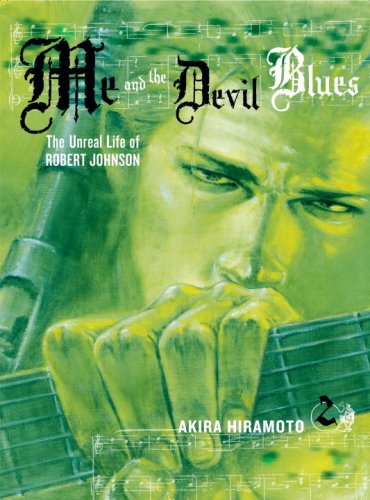
The first thing that strikes any reader of Me and the Devil Blues is the absolutely breathtaking akira hiramoto art style. Long before he became famous for the stylized comedy of Prison School, Hiramoto demonstrated a level of artistic mastery that few can match. The manga’s monochrome art is a masterclass in atmosphere and texture, defined by its meticulous detail and heavy use of shadow. His style is not just realistic; it’s hyper-realistic, creating a tangible world you can almost feel, smell, and touch. The oppressive heat of the Mississippi Delta, the worn wood of a guitar, and the sweat-drenched faces of his characters are all rendered with an intensity that grounds the story in a stark reality. This commitment to detail makes the cinematic storytelling incredibly effective, with panels flowing like shots in a film, drawing you deeper into its dark and desperate world.
Key Artistic Elements
- Intense Crosshatching & Ink Work: Heavy use of fine lines to create texture, shadow, and a feeling of oppressive heat and grit.
- Cinematic Panel Flow: Pages are structured like a film, using wide shots for atmosphere and extreme close-ups for emotional impact.
- Photorealistic Detail: Meticulous attention to historical details like clothing, architecture, and instruments, making the world feel tangible.
- Expressive Character Acting: Faces convey deep pain, fear, and desperation, often without dialogue.
How to Appreciate the Art
- Look at the Textures: Pay attention to the way Hiramoto draws wood, sweat, dust, and fabric. The world feels physically real.
- Follow the Gaze: Notice how characters’ eyes lead you through the panels and tell a story of their own.
- Contrast with His Later Work: Briefly compare the gritty realism here to the more stylized and comedic art in Prison School to understand his artistic range.
- Observe the Lighting: Analyze how shadows are used not just for realism, but to create a constant sense of dread and to hide or reveal key details.
Pro-Tip: Hiramoto’s use of folkloric realism is key. He draws the impossible (the Devil) with the same painstaking, realistic detail as a dusty guitar, forcing the reader to accept the supernatural as fact within the story’s world.
2. A Gritty Reimagining of the Robert Johnson Crossroads Myth

Save this moody shot to your ‘Southern Gothic’ inspiration board.
The narrative heart of the manga is its chilling adaptation of the robert johnson crossroads myth. This enduring piece of American folklore is the engine of the entire plot, transforming a tall tale into the literal inciting incident of a horror story. The manga doesn’t just reference the legend of the legendary bluesman; it depicts the devil deal as a concrete, terrifying, and life-altering event. This commitment to making the myth real is what separates it from other adaptations and creates a powerful sense of dread.
The Real-World Legend
- Robert Johnson: A real, highly influential Delta blues musician from the 1930s.
- The Crossroads Deal: Legend says Johnson was a mediocre guitarist who disappeared for a short time and returned a virtuoso. The story, likely created after his death, claimed he met the devil at a crossroads and sold his soul for his incredible talent.
- The 27 Club: Johnson died at age 27 under mysterious circumstances, becoming one of the first and most famous members of the “27 Club.”
How the Manga Adapts It
- The Protagonist, RJ: The manga’s main character is a direct stand-in for Robert Johnson.
- The Deal is Real: Unlike the ambiguous legend, the manga depicts the encounter with the devil as a terrifying, concrete event. RJ doesn’t just get talent; he becomes haunted by his choice.
- Visualizing the Devil: The devil isn’t a cartoonish figure but a truly unsettling, shadowy entity, making the supernatural horror palpable.
- The Cost of Talent: The story explores the psychological torment and social consequences of RJ’s deal, going far beyond the simple myth.
Pro-Tip: The manga’s power comes from treating the crossroads myth not as a tall tale, but as the literal inciting incident in a historical drama. This fusion of folkloric realism and documented history is a hallmark of great southern gothic manga.

3. The Deeply Researched Historical Setting of the Jim Crow South

A glimpse into another time. Pin this to your ‘Historical Aesthetics’ board.
The manga’s setting in the Jim Crow South is not merely a backdrop; it is an antagonist in its own right. Hiramoto’s commitment to historical accuracy elevates the story from a simple horror tale to a poignant piece of social commentary. The story is set in the 1930s American South, specifically the Mississippi Delta, and it unflinchingly portrays the crushing poverty, systemic racism, and constant threat of violence that Black Americans faced during this era. This real-world horror often feels more immediate and terrifying than the supernatural forces haunting RJ.
Elements of the Historical Setting
- Pervasive Segregation: The manga visually depicts the harsh realities of “separate but equal” laws and the daily indignities faced by Black Americans.
- Economic Hardship: It portrays the crushing poverty of the Great Depression in the rural Mississippi Delta.
- The Juke Joint Culture: Accurately shows the role of juke joints as rare spaces for community, music, and expression.
- Threat of Violence: The constant, underlying threat of racial violence is a key source of tension, often more terrifying than the supernatural elements.
Why This Setting Matters
- Adds a Second Layer of Horror: RJ is not only fleeing the devil but also the very real dangers of a racist society. The two horrors often intertwine.
- Grounds the Story: The historical accuracy makes the characters’ struggles and motivations believable and compelling.
- Provides Social Commentary: The manga serves as a powerful piece of Jim Crow era social commentary, educating readers on a dark period of American history.
- Enhances the Music’s Meaning: It shows how the blues was born from pain, suffering, and the need for an outlet, giving the music in the story profound weight.
Pro-Tip: The manga’s depiction of the American South is so effective because it avoids caricature. It’s a deeply researched, empathetic portrayal that acknowledges both the beauty of the culture and the brutality of the system.

4. Unflinching Supernatural Horror and Surreal Imagery

Nightmare fuel. Pin if you dare.
While grounded in history, this is fundamentally a supernatural horror story. The horror in this dark tale is not about jump scares but about a creeping, psychological dread. The Devil’s influence manifests in surreal imagery and disturbing, dream-like sequences that blur the line between reality and hallucination. This psychological horror preys on the protagonist’s (and the reader’s) sense of reality, creating a constant, oppressive atmosphere of fear and paranoia that is truly unsettling. The horror + music combination is potent, suggesting that RJ’s incredible talent is intrinsically linked to something monstrous.
Types of Horror in the Manga
- Psychological Dread: The primary horror comes from RJ’s paranoia and the constant fear that his soul is no longer his own.
- Surreal, Dreamlike Sequences: The devil’s influence often manifests in bizarre, nightmarish visions that blur the line between reality and hallucination.
- Body Horror: Subtle but effective moments where human forms are distorted or manipulated by the supernatural influence.
- Atmospheric Tension: The horror is built through oppressive silence, dark shadows, and the feeling of being watched, rather than constant action.
How It Creates Fear
- Ambiguity: It’s often unclear if events are real or just in RJ’s mind, creating a disorienting experience for the reader.
- Isolation: The supernatural threat isolates RJ from everyone around him, preying on a universal fear of being alone.
- Loss of Control: The core terror is the loss of agency—the idea that your talent, your hands, and your music are no longer your own.
- The Unseen: The Devil is rarely shown in full, making him a more terrifying, unknowable force.
Pro-Tip: Unlike many horror series, the scariest parts of Me and the Devil Blues are often the quietest. The true horror isn’t the monster, but the slow, creeping realization of what the deal actually cost.

5. The Tragic, Unfinished Narrative (The Hiatus Explained)

An unfinished masterpiece. Pin for a story waiting for its ending.
One of the most defining aspects of Me and the Devil Blues is its status as an unfinished masterpiece. This is the source of the most common questions from potential readers: is me and the devil blues finished? The short answer is no. The series is on an indefinite manga hiatus, a state of limbo that has become a crucial part of its tragic legacy and a key reason it is considered a cancelled series closure by many fans.
The Publication Timeline
- Serialized (2005-2008): The manga was originally published in Kodansha’s Monthly Afternoon magazine.
- The Hiatus (2008): In 2008, the series abruptly stopped. No new chapters have been released since.
- English Release: Del Rey Manga (and later Kodansha) released two omnibus volumes in English, collecting the 34 chapters that were completed before the hiatus. These are now out of print.
- Author’s Other Work: Akira Hiramoto went on to create the wildly popular Prison School, which has a completely different, comedic tone.
What This Means for Readers
- Is it Cancelled? Officially, no. The series is on an indefinite hiatus, which is common in the manga industry for various reasons (author health, creative block, research).
- Will it Ever Return? It is highly unlikely. Given the long period of inactivity and the author’s success with other series, fans should consider the existing chapters to be the complete story for all practical purposes.
- How Does it End? It doesn’t. The story stops on a cliffhanger, which adds to the manga’s tragic, legendary status.
- Is it Still Worth Reading? Absolutely. The 34 chapters form a powerful, self-contained arc. It’s better to experience an unfinished masterpiece than to miss it entirely.
Pro-Tip: The indefinite hiatus ironically mirrors the mysterious, unresolved life of the real Robert Johnson. The manga’s unfinished state has become part of its mythos, making it a true cult classic manga.

6. Where to Find & Read The Elusive English Volumes

The thrill of the hunt! Pin this for your ‘Rare Manga Finds’ collection.
So, you’re convinced. But where to read me and the devil blues? This is the next great challenge. The official me and the devil blues english volumes are a collector’s item, and finding them requires a bit of detective work and an out of print fix. Your options for finding this rare manga fall into a few distinct categories, from hunting down physical copies to exploring digital avenues.
What You Need (The Editions)
- The English Omnibus Volumes (2): Published by Del Rey Manga and later Kodansha Comics. These collect all 34 chapters. They are the most sought-after but are out of print and expensive.
- The Original Japanese Tankōbon (5): Published by Kodansha. These are easier to find and cheaper but are in Japanese. A good option for collectors who appreciate the art.
- Digital Scanlations: Unofficial, fan-translated versions available on various manga reading websites. The quality can vary, but this is the most accessible way to read the story in English.
What To Do (How to Find Them)
- Hunt for Physical English Copies: Check eBay, AbeBooks, and Amazon Marketplace regularly. Set up alerts. Be prepared for high prices. Look for “ex-library” copies for a potential discount.
- Purchase the Japanese Originals: Use sites like Amazon Japan, CDJapan, or Mandarake. This is a great way to own a piece of the series and appreciate the art in its original format.
- Read Online (The Unofficial Route): Search for “me and the devil blues manga online” or “ore to akuma no blues scanlation“. Use reputable manga aggregator sites. This is the only practical way for most people to read the full story in English in 2026.
- Join Communities: Check the r/MangaCollectors subreddit. Users frequently post sales or trade offers for rare + manga like this.
Pro-Tip: When buying used copies, always check seller photos for spine damage, yellowing pages, and cover wear. For a series this rare, a “Very Good” condition copy is a fantastic find.
7. Understanding its Place in Akira Hiramoto’s Career (vs. Prison School)

Same artist, two different worlds. Pin to explore artistic evolution.
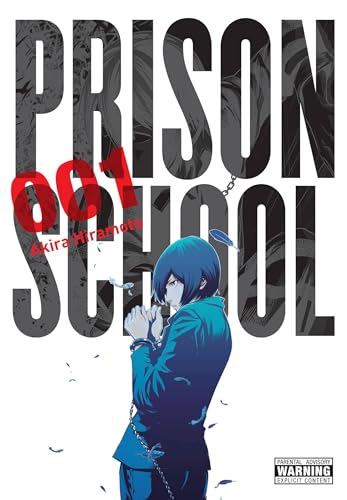
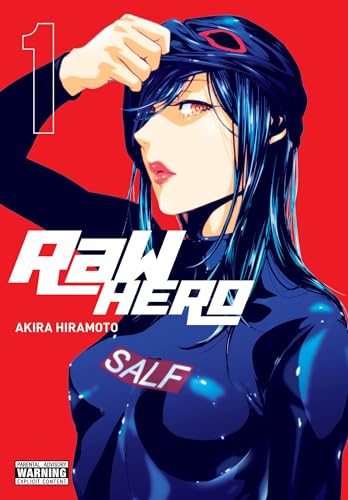
For many modern manga fans, Akira Hiramoto is synonymous with one thing: Prison School. This makes the existence of Me and the Devil Blues a fascinating study in artistic range. Comparing me and the devil blues vs prison school is essential to understanding the akira hiramoto evolution as an artist and appreciating what makes the earlier work so special. They are two sides of the same coin, showcasing a creator with a mastery of wildly different tones and themes.
Key Differences
- Tone: Me and the Devil Blues is a bleak, tragic historical horror story. Prison School is an over-the-top, absurd ecchi comedy.
- Art Style: While both show incredible technical skill, Me and the Devil Blues uses a gritty, realistic, shadow-heavy style. Prison School is much cleaner, brighter, and more stylized for comedic effect.
- Themes: Me and the Devil Blues explores fate, damnation, racism, and the price of talent. Prison School explores… well, high school shenanigans.
- Commercial Success: Prison School was a massive international hit with a popular anime adaptation. Me and the Devil Blues remains a beloved but niche cult classic manga.
Why This Comparison Matters
- Showcases Author’s Range: It proves that Akira Hiramoto is not a one-trick pony but a master artist capable of tackling vastly different genres and tones.
- Explains the Hiatus: The immense success and demanding schedule of Prison School is a likely contributing factor to why Me and the Devil Blues was never continued.
- Manages Fan Expectations: Fans coming from Prison School need to be warned that they are in for a completely different—and much darker—experience.
- Highlights its Special Nature: The contrast emphasizes that Me and the Devil Blues was likely a deeply personal passion project, which is often where an artist’s best work can be found.
Pro-Tip: If you appreciate the technical drawing skill in Prison School, you owe it to yourself to see that same talent applied to a serious, dramatic narrative. Me and the Devil Blues is a showcase of Akira Hiramoto’s raw artistic power.
Key Takeaways
- A Historical Horror Masterpiece: Me and the Devil Blues is a fictionalized biography of bluesman Robert Johnson, acclaimed for its gritty art style and historical accuracy.
- Created by a Famed Artist: It was written and drawn by Akira Hiramoto before he created his massive comedy hit, Prison School, showcasing his dramatic range.
- Officially Unfinished: The manga is on an indefinite hiatus since 2008 and is unlikely to be completed. The story stops abruptly, which has become part of its legendary status.
- Out of Print and Rare: The official English volumes are out of print and very expensive to buy physically. This makes it a prized collector’s item.
- Reading Online is Most Practical: For most readers in 2026, the most accessible way to experience the story is through unofficial online scanlations.
- More Than a Manga: It’s a powerful piece of southern gothic storytelling that blends real-world folklore, blues music history, and unflinching supernatural horror.
FAQs About me and the devil blues manga
Is Me and the Devil Blues manga finished?
No, the Me and the Devil Blues manga is not finished. It has been on an indefinite hiatus since 2008. While not officially cancelled, no new chapters have been released in over a decade, and it is widely considered to be a permanently unfinished work by the fan community.
Why is Me and the Devil Blues on hiatus?
The official reason for the hiatus has never been publicly stated by author Akira Hiramoto or publisher Kodansha. However, it is widely speculated that the author shifted his focus to his next series, Prison School, which achieved massive commercial success and likely demanded all of his time and creative energy.
Is the Me and the Devil Blues manga based on a true story?
It is a fictionalized biography inspired by a real person and a real legend. The protagonist, RJ, is based on the legendary blues musician Robert Johnson. The central plot, selling his soul to the devil at a crossroads, is based on a famous myth surrounding Johnson’s life and incredible talent.
How many volumes of Me and the Devil Blues are there?
There are two official English omnibus volumes and five original Japanese volumes. The two English volumes, published by Del Rey and later Kodansha, collect all 34 chapters that were completed before the hiatus. The original Japanese release was split into five smaller “tankōbon” volumes.
Is there an anime for Me and the Devil Blues?
No, there is no anime adaptation of Me and the Devil Blues. Given its unfinished status, niche audience, and dark, mature themes, it is extremely unlikely that an anime will ever be produced. Its content would be very difficult to adapt for broadcast television.
Where can I read Me and the Devil Blues manga?
The out-of-print physical English volumes are very expensive, so the most practical way is to read it online. You can find unofficial fan translations, known as scanlations, on various manga aggregator websites. Searching for “read me and the devil blues online” will yield several options.
Is Me and the Devil Blues a horror manga?
Yes, it is a psychological and supernatural horror manga. The horror comes from its oppressive atmosphere, surreal and disturbing imagery, and the protagonist’s psychological torment rather than jump scares or excessive gore. It blends this with elements of historical drama.
How is it related to Prison School?
Both Me and the Devil Blues and Prison School were created by the same author and artist, Akira Hiramoto. They are notable for being polar opposites in tone. Me and the Devil Blues is a dark, serious historical horror, while Prison School is a famous, over-the-top ecchi comedy.
How does Me and the Devil Blues end?
The manga does not have a proper ending. Because it went on hiatus, the story stops abruptly on a cliffhanger. This lack of resolution has ironically added to the series’ tragic and mysterious legacy, mirroring the unresolved nature of Robert Johnson’s own life.
Is Me and the Devil Blues manga worth reading even if it’s unfinished?
Absolutely. The 34 existing chapters form a powerful, compelling, and relatively self-contained story arc. The quality of the art, storytelling, and historical world-building is so high that it is widely considered an underrated masterpiece. It’s better to experience this incredible but incomplete story than to miss it entirely.
Final Thoughts
Me and the Devil Blues exists in a unique and hallowed space within manga history. It is a work of undeniable genius, a showcase of an artist at the peak of his dramatic powers, and a poignant exploration of American history and folklore. Its status as an unfinished masterpiece is not a deterrent but a core part of its identity—a tragedy that mirrors the life of its subject, Robert Johnson.
The manga is a testament to the power of the medium to tackle complex, mature themes with artistic and intellectual rigor. While its hiatus means we may never see the story’s conclusion, the journey it provides is more than worth the price of admission. It is a cult classic manga in the truest sense: a challenging, beautiful, and haunting work that will stay with you long after you’ve read the final, abrupt panel. We encourage you to seek it out and experience this exceptional piece of storytelling for yourself.
Last update on 2026-03-26 / Affiliate links / Images from Amazon Product Advertising API


