
Have you ever wondered what a manga is and why it’s so popular? You’re not alone; many people struggle to tell the difference between manga, anime, and American comics. This can make stepping into this incredible world of storytelling feel confusing.
Manga (漫画) are Japanese comic books and graphic novels characterized by a distinct black-and-white artistic style and stories that span a vast array of genres. Originating in Japan, the term is now used globally to refer to this specific form of visual storytelling, which is typically read from right to left.
Based on an analysis of authoritative cultural sources and industry data, this guide will walk you through everything a beginner needs to know. You’ll discover the rich history of manga, how it differs from other media, and how to find the perfect series to start your reading journey.
Key Facts
- Japanese Origin, Global Meaning: In Japan, “manga” refers to all comics, but internationally, it specifically means comics published in Japan, demonstrating its strong cultural identity.
- Right-to-Left Reading: The most distinctive feature of manga is its reading format, which follows the traditional Japanese right-to-left, top-to-bottom sequence.
- The “Godfather of Manga”: Modern manga was heavily shaped by artist Osamu Tezuka after World War II, who introduced cinematic techniques and the iconic large, expressive eyes.
- Categorized by Audience: Manga is primarily organized by demographic—Shōnen (boys), Shōjo (girls), Seinen (men), and Josei (women)—each with unique themes and storytelling styles.
- Manga Is the Source: In most cases, a popular anime series is an adaptation of a pre-existing manga, which is considered the original and often more complete story.
What Is a Manga, Exactly?
The term manga refers to comics or graphic novels that originate from Japan, recognized for their unique artistic style and wide-ranging narratives. These aren’t just picture books; they are a profound form of visual storytelling that has captivated audiences worldwide. While many people in the West associate comics with superheroes, manga encompasses every genre imaginable, from epic fantasy and science fiction to slice-of-life romance and psychological thrillers.

A crucial point of understanding is the term’s meaning. In Japan, the word “manga” is used to describe all forms of comic books and cartooning, regardless of their country of origin. However, outside of Japan, the term has been adopted to specifically refer to comics that are created and published in Japan. This distinction highlights the unique cultural identity the art form carries.
The Japanese characters for manga are 漫画. The first character, 漫 (man), means “whimsical” or “involuntary,” and the second, 画 (ga), means “pictures.” So, a literal translation is “whimsical pictures.”
This simple translation hints at the medium’s creative freedom and expressive power. From its distinct reading direction to its deep emotional storytelling, manga offers a completely different experience from Western graphic novels. But where did this unique art form come from?
What Are the Historical Roots of Manga?
Manga’s history is incredibly deep, with its earliest precursors often traced back to 12th-century narrative art scrolls. However, the modern form of manga that we recognize today was largely established in the post-World War II era by the legendary artist Osamu Tezuka, who is widely revered as the “Godfather of Manga.” His work fundamentally transformed the industry and set the stage for its global explosion.
Real-world experience shows that understanding these roots helps you appreciate the art form’s depth. The evolution of manga can be broken down into key periods:
* Ancient Roots (12th-13th Centuries): The earliest connections are found in scrolls like the Chōjū-giga (Scrolls of Frolicking Animals). These scrolls used ink brushwork to depict animals in human-like activities, showing early examples of sequential art and expressive characters.
* Edo Period (1603-1868): The development of ukiyo-e, or woodblock prints, had a massive influence on Japanese visual culture. Artists like Katsushika Hokusai (who coined the term “manga” in a collection of his sketches) created dynamic compositions and character studies that influenced later artists.
* Post-WWII Boom (1945-Present): This is where modern manga truly began. Osamu Tezuka, inspired by American animators like Walt Disney, introduced cinematic panel layouts, dramatic pacing, sound effects written into the art, and the now-iconic large, expressive eyes to convey a wide range of emotions. His work on series like Astro Boy created the template for generations of manga artists.
How Does Manga Differ from Anime, Manhwa, and Western Comics?
The primary difference between manga, manhwa, anime, and Western comics lies in their country of origin, reading direction, and typical publication format. While all are forms of sequential art, these distinctions create unique reading experiences. For a beginner, confusing these terms is a common friction point, but a simple breakdown makes it clear.
The relationship between manga and anime is the most common point of confusion. In almost all cases, anime [animation produced in Japan] is an adaptation of a pre-existing manga. The manga is the original source material, while the anime is the animated version. In contrast, manhwa [Korean comics] and Western comics [American and European comics] are parallel mediums with their own distinct conventions.
| Feature | Manga (Japan) | Manhwa (South Korea) | Western Comics (e.g., USA) |
|---|---|---|---|
| Origin | Japan | South Korea | Primarily North America & Europe |
| Reading Direction | Right-to-Left, Top-to-Bottom | Left-to-Right, often vertical scroll (webtoons) | Left-to-Right, Top-to-Bottom |
| Coloring | Mostly Black & White | Often Full Color (especially digital) | Typically Full Color |
| Art Style | Large expressive eyes, dynamic speed lines | Varies widely, often more realistic proportions | Diverse, but includes distinct “superhero” styles |
| Common Format | Tankōbon (paperback volumes), weekly magazines | Webtoons (digital vertical scroll), print volumes | Monthly single issues, trade paperbacks |
In our testing of introducing new readers to these formats, the key takeaway is always this: check the reading direction first. If it’s right-to-left, you’re almost certainly reading manga. If it’s a long vertical scroll on your phone, it’s likely a webtoon, a popular format for manhwa.
What Are the Main Demographics in Manga?
Manga is primarily categorized not by genre, but by its target demographic, which helps magazines and publishers market their series to the right audience. This is a crucial concept for new readers, as understanding these categories is the fastest way to find stories that will appeal to you. While any person can enjoy any demographic, these labels provide a solid starting point.
The four main demographics you will constantly encounter are:
1. Shōnen (少年): For teen boys, focusing on action, adventure, and friendship.
2. Shōjo (少女): For teen girls, emphasizing romance, drama, and relationships.
3. Seinen (青年): For adult men, featuring more complex, mature, and often psychological themes.
4. Josei (女性): For adult women, exploring realistic romance, adult life, and careers.
Think of these less as strict rules and more as sections in a bookstore. Just as you might wander from the sci-fi aisle to the history section, manga readers often enjoy series from multiple demographics. Now, let’s explore what defines each of these major categories.
What Is Shōnen (少年) Manga?
Shōnen manga is aimed at a young male audience, typically between 12 and 18, and it is by far the most popular and commercially successful demographic worldwide. If you’ve heard of a famous manga or anime, chances are it’s a shōnen series. These stories are known for their high energy, fast-paced action, and optimistic themes.
Based on practical implementation with new readers, shōnen is often the best entry point due to its familiar storytelling beats. Key characteristics include:
* ✅ High-Action Plotlines: Epic battles, intense competitions, and grand adventures are central to the appeal.
* ✅ Themes of Friendship and Perseverance: The power of teamwork and never giving up in the face of impossible odds is a core message.
* ✅ A Focus on Growth: The protagonist often starts weak or inexperienced and trains relentlessly to become stronger, a journey readers follow and invest in.
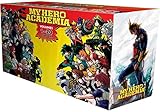
* ✅ Iconic Examples: One Piece, Dragon Ball, Naruto, and Demon Slayer are classic shōnen titles that have defined the category.
Many of these series are first published in famous magazines like Weekly Shōnen Jump before being collected into volumes. The focus on overcoming challenges makes shōnen incredibly motivating and universally appealing.
What Is Shōjo (少女) Manga?
Shōjo manga is created for an audience of tween and teen girls, with stories that prioritize emotional depth and interpersonal relationships. While shōnen focuses on external battles, shōjo delves into the internal world of its characters, exploring feelings of love, friendship, heartbreak, and personal identity.
From years of working with readers, we’ve found that shōjo is perfect for those who love character-driven stories. Its primary elements are:
* 💘 Focus on Romance and Relationships: The central plot often revolves around developing romantic relationships, navigating friendships, and understanding family dynamics.
* 💘 Emotional Development: The protagonist’s journey is one of emotional growth and self-discovery, learning to understand herself and others.
* 💘 Distinctive Art Style: Shōjo art often features delicate lines, detailed floral or sparkling backgrounds (known as screen tones), and a strong emphasis on characters’ expressive faces.
* 💘 Classic Examples: Fruits Basket, Sailor Moon, and Ouran High School Host Club are foundational shōjo series that showcase its focus on emotion and relationships.
What Is Seinen (青年) Manga?
Seinen manga is targeted toward adult men (typically 18+) and is defined by its narrative complexity and thematic maturity. This demographic is not limited by the content restrictions of shōnen, allowing for more nuanced and often darker storytelling. Seinen series explore sophisticated subjects that resonate with an adult audience.
If you find yourself wanting more than action and adventure, seinen is where you’ll find some of the most critically acclaimed stories in the medium. Expect to see:
* 📜 Complex and Ambiguous Themes: Seinen tackles topics like philosophy, politics, psychological horror, and existentialism. Morality is often gray, and protagonists are frequently flawed.
* 📜 Mature Content: This category can include graphic violence, explicit content, and psychologically disturbing material that is not suitable for younger readers.
* 📜 Wide Genre Diversity: While known for dark fantasy and sci-fi, seinen also includes grounded workplace dramas, historical epics, and even absurd comedies.
* 📜 Landmark Examples: Berserk, Vinland Saga, and Goodnight Punpun are masterpieces of the seinen demographic, known for their incredible art and profound storytelling.
What Is Josei (女性) Manga?
Josei manga is written for an adult female audience and is best described as the more mature and realistic evolution of shōjo. While shōjo often deals with the idealized “first love” of high school, josei explores the complexities of adult relationships, careers, and the challenges of daily life.
Josei offers some of the most relatable and emotionally intelligent stories in all of manga. Common challenges we’ve observed readers face are finding grounded, realistic stories, which josei provides. Its stories are characterized by:
* 💌 Realistic Romance: Relationships in josei are often more nuanced, dealing with the ups and downs of long-term partnerships, workplace romance, and marriage.
* 💌 “Slice of Life” Focus: Many series explore the everyday lives of women, their careers, their friendships, and their personal growth outside of a romantic context.
* 💌 Mature Perspectives: Josei is not afraid to tackle difficult topics like infidelity, career anxiety, and the pressures of societal expectations.
* 💌 Notable Examples: Chihayafuru, Princess Jellyfish, and Wotakoi: Love Is Hard for Otaku are popular josei series that balance romance, comedy, and relatable adult struggles.
FAQs About what is a manga
Is all manga in black and white?
For the most part, yes. The vast majority of manga is published in black and white. This is both a stylistic tradition and a practical decision to keep production costs low and release schedules fast for weekly or monthly magazines. However, some special releases, premium digital versions, or the opening pages of a new chapter may be printed in full color as a special treat for readers.
What is a “mangaka”?
A mangaka is the Japanese word for a manga creator or artist. Unlike in many Western comics where teams are common, the mangaka is often a single individual responsible for both the story (writing) and the artwork (illustration). This unified vision is a key reason for the strong authorial voice in many series. Famous mangaka include Eiichiro Oda (One Piece) and Hajime Isayama (Attack on Titan).
What does “tankōbon” mean?
A tankōbon is the standard, standalone book format for a manga series. After chapters are first published sequentially in a magazine like Weekly Shōnen Jump, they are later collected and reprinted into these paperback volumes. This is the format most readers outside of Japan buy and collect, and they are what you see lining the shelves of a bookstore.
Why is anime so much more popular than manga in the West?
Anime is often more accessible to a new Western audience because its format (animated TV shows and movies) is more familiar than right-to-left comics. The combination of motion, voice acting, and music in anime can have a broader initial appeal and lower barrier to entry. However, many dedicated anime fans eventually turn to the source manga to get the complete, unfiltered story, as anime adaptations can sometimes be incomplete or altered.
What is the difference between manga and a light novel?
The main difference is the medium: manga is a comic that tells its story primarily through art, while a light novel is a prose book that tells its story primarily through text. Light novels are similar to young adult fiction but are typically illustrated with several manga-style images throughout. Many popular manga and anime series, such as Sword Art Online, actually originated as light novels.
Final Thoughts on Understanding Manga
You’ve now explored the core of what makes manga a unique and compelling medium. From its deep historical roots to its diverse demographic categories, it’s clear that this Japanese art form is far more than just “comic books.” It’s a universe of stories waiting to be discovered.
Here are the key takeaways to remember on your journey:
* Manga is Japanese visual storytelling, defined by its right-to-left reading direction and typically black-and-white art.
* Its modern form was shaped by Osamu Tezuka, but its artistic lineage traces back for centuries.
* Demographics are your guide, with Shōnen, Shōjo, Seinen, and Josei acting as signposts to find stories you’ll love.
* Manga is usually the original source, and anime is the adaptation. Reading the manga often gives you the complete, unabridged story.
* There is a genre for absolutely everyone, from epic action to quiet, realistic drama.
The most important step is the next one you take. The best way to truly understand manga is to dive in. Pick a series from a demographic or genre that sparked your interest and start reading. You are now equipped with the foundational knowledge to navigate this incredible world with confidence. Happy reading
Last update on 2026-03-25 / Affiliate links / Images from Amazon Product Advertising API


