
Struggling to tell the difference between a one-shot manga and a full series? You’re not alone; many fans get confused by the term, especially with its different meaning in fanfiction communities. Understanding this distinction is key to exploring a huge part of the manga world.
A one-shot manga, also known as a ‘yomikiri’ (読み切り) in Japanese, is a complete story told within the confines of a single, standalone chapter. It is designed to be read in one sitting and contains a full narrative arc with a clear introduction, rising action, climax, and resolution, typically spanning between 15 and 60 pages.
Based on an analysis of current industry standards, this guide will clarify everything. You’ll discover exactly how one-shots function as career-launching contest entries for artists, act as “pilot episodes” for famous series like Naruto, and differ completely from fan-made works.
Key Facts
- Complete Narrative in One Go: A one-shot manga is defined as a complete, self-contained story told in a single chapter, ensuring a full narrative arc from beginning to end without requiring any further installments.
- Standard Page Count: The industry standard for a one-shot’s length is typically between 15 and 60 pages, a constraint that forces creators to master narrative efficiency and impactful storytelling.
- The Gateway to a Career: For aspiring manga artists (mangaka), creating a successful one-shot is the primary method for entering professional contests, winning awards, and securing a debut with major publishers like Shueisha.
- Origin of Legendary Series: Many of the most famous manga in history, including Dragon Ball, Naruto, and Bleach, began as one-shot “pilot” chapters that were later approved for full serialization due to high reader popularity.
- Distinct from Fanfiction: A professional one-shot is an official, commercially published work, whereas the term “one-shot” in fanfiction refers to any unofficial, fan-created story that is completed in a single part, regardless of length or medium.
What Is A One-Shot Manga? A Complete Explained Guide
A one-shot manga, also known as a ‘yomikiri’ (読み切り) in Japanese, is a complete story told within the confines of a single, standalone chapter. It is designed to be read in one sitting and contains a full narrative arc with a clear introduction, rising action, climax, and resolution, typically spanning between 15 and 60 pages. Think of it as the manga equivalent of a short story or a self-contained movie.

Unlike a serialized manga that unfolds over dozens or even hundreds of chapters, a single chapter manga must deliver a full, satisfying experience right away. These standalone manga stories are a fundamental part of the Japanese comics industry, serving both as a unique art form and a crucial tool for discovering new talent. They offer a complete narrative without the long-term commitment required by an ongoing series.
The core characteristics of a one-shot include:
* A self-contained narrative that doesn’t require a sequel.
* A full story arc with a distinct beginning, middle, and end.
* Publication as a single issue, often within a larger manga anthology magazine.
* A focus on efficient, impactful storytelling to fit the limited page count.
What Are the Definitive Characteristics of a One-Shot?
To be officially considered a one-shot manga, a story must adhere to several defining industry-standard characteristics that separate it from other formats. These rules ensure that the work functions as a complete and concise narrative experience.
- Self-Contained Story: This is the most crucial attribute. The plot must be fully resolved by the final page. There are no cliffhangers that require a next chapter to understand the outcome. The story introduces a concept, explores it, and concludes it entirely within the single issue.
Single Chapter Format: A one-shot is, by definition, a single-chapter story. It is not broken into multiple parts. It gets published all at once, either as a standalone digital release, as a feature in a manga anthology like Weekly Shōnen Jump, or as part of a collection of an author’s short works.
Specific Page Count: While not an ironclad rule, industry standards typically place a one-shot’s length between 15 and 60 pages. This length is ideal for manga competition entries and for fitting into the page budget of anthology magazines. Some special releases can be longer, but this range is the common expectation.
Complete and Focused Story Arc: Within its limited pages, a one-shot must execute a full narrative arc. This includes introducing the characters and setting, presenting a central conflict, building to a climax, and delivering a clear resolution. There is no room for subplots or extensive world-building; the focus must be sharp and efficient.
Why Are One-Shots a Critical Part of the Manga Industry?
For aspiring artists (mangaka), creating a compelling one-shot is the single most important step toward a professional debut; for publishers, it’s a low-risk way to test new ideas and creators. Far from being just simple short stories, these single chapter manga are a fundamental engine of the entire manga industry, acting as a portfolio, a contest entry, and a pilot episode all in one.
From our experience analyzing the industry, a one-shot serves two primary functions. First, it is the standard format for submissions to prestigious manga competitions held by major publishers. Awards like the Tezuka Award and Akatsuka Award from Shueisha (the publisher of Shonen Jump) exclusively require one-shot submissions. Winning or placing in these contests can launch a mangaka’s career, providing prize money, editorial guidance, and a potential publication deal.
Second, a one-shot functions as a “manga pilot” to gauge serialization feasibility. Before a publisher like Kodansha or Shueisha invests significant resources into a long-running series, they often publish a one-shot version of the concept in an anthology magazine. This allows them to test the story with a massive audience and measure its popularity through reader surveys. A successful one-shot acts as a proof-of-concept, demonstrating that the creator has the skill to handle pacing, characterization, and closure, and that the audience is interested in seeing more.
An editor needs to see if a new artist can not only draw well but also tell a complete, engaging story. A one-shot is the ultimate test of that skill. It proves you can manage a narrative from start to finish before we trust you with a full series.
How Does a One-Shot Become a Full Manga Series?
For a one-shot manga to become a full series, a specific industry process must occur, driven by reader feedback and editorial approval. Many legendary manga, including Dragon Ball, Naruto, and Bleach, began as successful one-shot pilots that proved their concept’s popularity.
Based on real-world implementation, here is the typical path from a single chapter story to a full serialization:
- Publication and Positive Reception: The one-shot is first published in a major anthology magazine, such as Weekly Shonen Magazine or Weekly Shōnen Jump. For decades, reader engagement metrics have been collected via postcard surveys included in the physical magazines, where readers vote for their top three favorite chapters of the week. A one-shot that ranks highly in these surveys signals strong audience interest.
Editor Sees Potential: The mangaka’s assigned editor reviews the reader feedback and analyzes the one-shot’s creative potential. They assess if the world, characters, and core conflict are strong enough to be expanded into a long-term story. This is a critical step in determining its serialization feasibility.
The Expansion Pitch: If the editor is confident, they will work with the mangaka to develop a pitch for a full series. This involves outlining how the story would continue, creating deeper character arcs, and planning major plot points for the first dozen or so chapters. The creator must prove the concept has longevity.
Serialization Committee Greenlight: The final step is for the editor to present the pitch to the publisher’s serialization committee. This group of senior editors makes the final decision on which new series get approved. If the one-shot was popular and the pitch is strong, the committee will greenlight the manga for serialization, and the mangaka will begin work on the official first chapter of the new series.
What Is the Difference Between a Manga One-Shot, a Series, and Fanfiction?
A manga one-shot is an official, standalone comic published by a company, often as a pilot. A serialized manga is an official, ongoing comic with many chapters. A fanfiction ‘one-shot’ is an unofficial, fan-made story of any length that is complete, existing outside of professional publishing. The core differences are official status, commercial purpose, and canonicity.
This is a major source of confusion, as the term “one-shot” is used differently in professional and fan communities. In fanfiction, it simply means the story is finished in one post, regardless of its length or origin. In the manga industry, it’s a specific professional format.
To provide absolute clarity, here is a direct comparison:
| Feature | Professional One-Shot Manga | Serialized Manga | Fanfiction “One-Shot” |
|---|---|---|---|
| Publication Status | Official, published by a company | Official, published by a company | Unofficial, self-published by fans |
| Narrative Scope | Complete story in 1 chapter (15-60 pages) | Ongoing story across many chapters/volumes | Complete story, length varies wildly |
| Canonicity | Canon within its own story; can be a pilot | Canon to its series | Not canon; derivative work |
| Primary Purpose | Standalone art, series pilot, contest entry | Long-form entertainment, merchandise driver | Hobby, community sharing, exploring “what-ifs” |
| Creator | Professional Mangaka (paid) | Professional Mangaka (paid) | Amateur Fan Author (unpaid) |
| Related Concept | Related to ‘yomikiri’ (読み切り) | Published in ‘tankōbon’ volumes | Similar to ‘doujinshi’ (fan-made comics) |
Understanding this distinction is key. A professional manga one-shot is a product of the publishing industry. A fanfiction one-shot is a product of fan culture and creative expression. Both are valid forms of storytelling, but they operate in entirely different ecosystems.
What Are Some Famous or Must-Read One-Shot Manga?
After learning the what and why, the best way to understand one-shots is to read some. These recommendations showcase the incredible diversity and narrative power of the format, with each being a masterclass in telling a complete, impactful story in a short amount of space.
Here are some of the best one-shot manga examples, curated by genre:
- 🎭 Goodbye, Eri by Tatsuki Fujimoto (Drama): From the creator of Chainsaw Man, this is a modern masterpiece. It’s a longer one-shot (around 200 pages) that uses a unique, film-like paneling style to tell a deeply emotional and meta-narrative story about memory, filmmaking, and grief.
👻 The Enigma of Amigara Fault by Junji Ito (Horror): An iconic horror story that is a perfect example of narrative compression. In just over 30 pages, Ito creates an unforgettable sense of cosmic dread and body horror that has become legendary in the manga community.
🚀 Hotel by Boichi (Sci-Fi): The title story of a collection of shorts by the artist of Dr. Stone. It’s a poignant and intelligent sci-fi epic about an AI tasked with preserving humanity’s DNA, told over thousands of years, all within a single, powerful chapter.
❤️ Tokidoki by Naoshi Komi (Romance): A sweet and heart-wrenching romance from the creator of Nisekoi. It perfectly demonstrates how to build a deep emotional connection between characters and deliver a powerful, conclusive ending in just one chapter, making it one of the saddest oneshot manga for many readers.
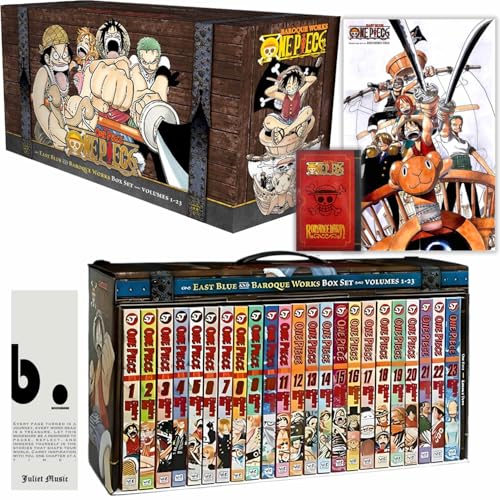
⭐ Prototype Pilots of Famous Series: For a fascinating look into the creative process, reading the original one-shot pilots for series like Naruto, One Piece, and Bleach is a must. It shows how the characters and stories were originally conceived before they became global phenomena.
FAQs About what is a oneshot manga
How many pages is a one-shot manga?
Typically, a one-shot manga is between 15 and 60 pages long. This length is an industry standard for contest submissions and for inclusion in anthology magazines. While some special one-shots can be longer, sometimes reaching over 100 pages (like Goodbye, Eri), the vast majority fall within this 15-60 page range to ensure the story is concise and can be read in a single sitting.
Are one-shot manga considered canon?
A one-shot’s story is canon to itself, but it is not canon to a different, pre-existing series unless explicitly stated by the original author. If a one-shot is a “pilot” that later becomes a series, the events of the pilot are usually considered non-canon or are retold differently in the final serialized version. For example, the Naruto pilot one-shot is not canon to the main Naruto series.
What is the Japanese word for a one-shot manga?
The Japanese term for a one-shot manga is ‘yomikiri’ (読み切り). This word literally translates to “to finish reading,” which perfectly describes the format’s intent: a story that is started and finished in one complete publication. You will often see this term used in Japanese manga magazines and publishing contexts.
Is One-Punch Man a one-shot?
No, One-Punch Man is not a one-shot, but it has a complex origin related to the concept. It began as a crudely drawn, self-published webcomic by the author ONE. Its immense popularity led to it being professionally remade as a full, serialized manga with art by Yusuke Murata. While the original webcomic had a similar viral, proof-of-concept effect as a one-shot, the mainstream manga is a long-running series.
How much do mangaka get paid for one-shots?
Payment for one-shots varies drastically based on the publisher, the magazine, and the artist’s experience. For a new artist winning a major contest from a publisher like Shueisha, the prize money can be substantial (e.g., ¥500,000 to ¥2,000,000, or roughly $3,300 to $13,300 USD). For a direct commission, a newcomer might receive a flat “manuscript fee” that is significantly lower, while an established mangaka commands a much higher rate.
Do one-shots ever get animated?
Yes, but it is relatively rare compared to serialized manga. If a one-shot is exceptionally popular or created by a very famous author, it might be adapted into a short Original Video Animation (OVA) or a web animation. For example, some of Junji Ito’s famous horror one-shots have been adapted. It’s more common, however, for the one-shot to first become a successful series before an anime adaptation is considered.
How do you write a good one-shot manga?
A good one-shot requires extreme narrative efficiency. You must introduce a compelling character with a clear goal, establish a conflict, and reach a satisfying conclusion within a limited page count. The key is to focus on a single, powerful idea and execute it perfectly. Prioritize strong visual storytelling, impactful paneling, and a plot that doesn’t feel rushed or incomplete.
Where can I read one-shot manga?
You can often find one-shots published in digital manga apps and websites like Shonen Jump by Viz Media or Manga Plus by Shueisha. They are also frequently collected in manga anthologies or in special “short story collection” volumes (tankobon) released by famous authors. Many mangaka also post original one-shots on platforms like X (formerly Twitter) or Pixiv.
What is the difference between a one-shot and an OVA?
A one-shot is a single-chapter comic (manga), while an OVA (Original Video Animation) is a single-episode animation. They are similar in that both are often standalone stories, but they are entirely different mediums. A popular one-shot manga could potentially be adapted into an OVA, but one is a printed/digital comic and the other is an animated film or episode.
Why is it called a “one-shot”?
It is called a “one-shot” because the story is told and concluded in one single “shot” or attempt. Unlike a series that requires multiple chapters to tell its story, a one-shot gets only one chance to make an impact on the reader. The name emphasizes its singular, complete, and final nature as a self-contained narrative.
Key Takeaways: One-Shot Manga Summary
- A Complete, Standalone Story – A one-shot manga is a full narrative with a beginning, middle, and end, all contained within a single chapter, typically 15-60 pages long. It’s the manga equivalent of a short story.
- A Gateway for New Artists – In the professional manga industry, one-shots are a critical tool for aspiring mangaka to enter contests, win awards, and get noticed by editors at major publishers like Shueisha and Kodansha.
- The “Pilot Episode” for a Series – Many successful one-shots serve as a proof-of-concept. If they are popular with readers, they can be greenlit to become full, long-running serialized manga, with famous examples including the pilots for Naruto and Dragon Ball.
- Distinct from Fanfiction – The term “one-shot” in the manga industry refers to an official, professional publication. This is different from the fanfiction community’s use of the term, which refers to any fan-made story that is complete in one part.
- Efficient Storytelling is Key – The quality of a one-shot is judged by its ability to tell a compelling and complete story within a tight page limit. This requires mastery of narrative compression, pacing, and visual storytelling.
- Great for Commitment-Free Reading – For readers, one-shots are a perfect way to experience a full, satisfying story from a talented creator without needing to commit to a long-running series with hundreds of chapters.
Final Thoughts on Understanding One-Shot Manga
Ultimately, the one-shot manga is a format defined by its powerful constraints. It’s an art form that challenges creators to be brilliant in a brief amount of space and a vital business tool that fuels the engine of the entire manga industry. Understanding its dual role is essential for any true fan or aspiring artist.
Whether you’re a reader seeking a powerful story that respects your time or a creator looking to make your mark, the one-shot offers a unique and valuable experience. Now that you know what to look for, you can explore this exciting corner of the manga world with confidence and discover the incredible standalone stories you’ve been missing.
Last update on 2026-03-25 / Affiliate links / Images from Amazon Product Advertising API


