
Wondering what shoujo manga is and why it’s so popular? You’ve likely seen the distinct art style and heard the term, but many people struggle with its precise meaning, often confusing it with a simple romance genre. This confusion can make it hard to navigate the vast world of Japanese comics.
Shoujo manga is an editorial category of Japanese comics (manga) marketed towards an audience of teenage girls and young adult women, typically between the ages of 10 and 18. Unlike a genre, which describes the content (e.g., romance, fantasy), shoujo is a demographic classification that dictates marketing and publication strategy. The term ‘shoujo’ itself literally translates to ‘young girl’ in Japanese.
Based on an analysis of industry-standard definitions and manga studies, this guide will clarify what shoujo truly is. You will discover its core characteristics, historical evolution, and key differences from other manga categories. This overview provides the foundational knowledge to confidently explore this rich and diverse corner of Japanese comics.
Key Facts
- Demographic, Not a Genre: Shoujo is an official demographic classification aimed at a specific audience (young women), not a content genre like romance or horror. Research indicates this is the most common point of confusion for new readers.
- Primary Target Audience: The core audience consists of girls and young women, generally between the ages of 10 and 18, which influences the themes and settings of many series.
- Emotional and Relational Focus: Industry analysis reveals that shoujo narratives consistently prioritize emotional introspection, character development, and interpersonal relationships over action or plot complexity.
- Origins in Girls’ Magazines: The history of shoujo manga traces back to illustrated stories and poems published in girls’ magazines in the early 20th century, establishing its female-centric foundation.
- Revolutionized by Female Artists: Historical analysis shows that the “Year 24 Group,” a collective of female artists in the 1970s, fundamentally shaped modern shoujo by introducing complex psychological themes and sophisticated narratives.
What Is Shoujo Manga?
Shoujo manga is an editorial category of Japanese comics aimed at an audience of adolescent girls and young adult women. It is defined by its target demographic, not by a specific genre like romance or fantasy. Think of it as a section in a bookstore; the “Young Adult” section is for a specific age group, but it can contain books of all genres—fantasy, sci-fi, romance, and mystery. Similarly, shoujo is the “for young women” section of the manga world.

The term manga refers to Japanese comics or graphic novels. These comics are sorted into several key demographic categories by Japanese publishers to target specific audiences effectively. Shoujo is one of the four main demographics, alongside shonen (for young men), seinen (for adult men), and josei (for adult women). Because it is aimed at young women, its stories often—but not always—center on experiences and themes relevant to that audience, such as school life, friendship, personal growth, and relationships.
The word shōjo (少女) literally translates from Japanese to “young girl.”
Ultimately, understanding shoujo as a demographic rather than a genre is the most crucial step to appreciating its breadth. While many famous shoujo series are romances, there are also acclaimed shoujo action series, horror stories, and comedies. The classification is about who the publisher believes the primary reader is.
Is Shoujo a Genre or a Demographic?
Shoujo is strictly a demographic, not a genre. This is the single most important distinction to understand, as it resolves the most common confusion for newcomers. A demographic classification tells you who the intended audience is, while a genre tells you what the story’s content is about.
To put it simply, a shoujo manga can be any genre as long as it is marketed to young women. You can have:
* Shoujo Romance (Kimi ni Todoke)
* Shoujo Fantasy (Yona of the Dawn)
* Shoujo Action (Sailor Moon)
* Shoujo Horror (Vampire Knight)
* Shoujo Comedy (Ouran High School Host Club)
Think of it like TV channels. ‘Disney Channel’ is a demographic-focused channel (for kids and families), but it airs shows that are comedies, dramas, or musicals. The genre is the type of show, while the channel is the intended audience. In this analogy, shoujo is the channel, and romance is just one of the popular show types it airs.
What Are the Core Characteristics of Shoujo Manga?
Key characteristics of shoujo manga often include an art style with large, expressive eyes, a narrative focus on emotional development, and themes of romance, friendship, and personal growth. While no single trait defines every shoujo series, these conventions are strongly associated with the demographic because they resonate with its target audience. These characteristics are common patterns, not strict rules.
Here are the core traits that help you identify a shoujo manga:
- Art Style: The visual language often focuses on conveying emotion. This includes large, detailed eyes, soft and flowing lines, and elegant character designs. Panels may be decorated with flowers, sparkles, or abstract patterns called screentones to create a specific mood.
- Narrative Focus: The story typically prioritizes interpersonal relationships, emotional introspection, and character development over plot-driven action. The protagonist’s internal journey and personal growth are central to the narrative.
- Protagonists: The main character is most often a relatable female lead. She is frequently navigating the challenges of school, friendships, family, and first love, allowing the target audience to see themselves in her story.
- Themes: Common themes explored in shoujo include first love, the importance of friendship, self-discovery, identity, and overcoming emotional hurdles. The story is less about winning a physical battle and more about navigating complex human connections.
What Kind of Artwork Is Typical for Shoujo Manga?
The typical shoujo art style is characterized by large, expressive, and often sparkling eyes designed to serve as a window into a character’s internal emotional state. This aesthetic is built around conveying feelings visually. It features soft, flowing lines, graceful character designs with slender proportions, and a frequent use of decorative elements like flowers, ribbons, and abstract patterns.
The visual language of shoujo is distinct and serves a specific narrative purpose. Here are its key components:
* Large, Detailed Eyes: This is the most famous trait. These eyes are not just for aesthetics; they are a primary tool for showing a character’s emotions, from joy and love to deep sadness and turmoil.
* Elegant and Idealized Characters: Protagonists and especially male love interests (known as bishōnen, or “beautiful boys”) are often drawn with slender, graceful proportions and stylish hair and clothing. This creates an idealized, almost dreamlike quality.
* Minimalist or Abstract Backgrounds: Instead of detailed, realistic backgrounds, shoujo artists often use symbolic patterns, screentones (adhesive patterns for shading), or washes of light and color. This technique keeps the focus squarely on the characters and their emotional reactions.
* Fluid and Unconventional Paneling: Panel layouts in shoujo manga often break from a simple grid structure. Panels may overlap, blend into each other, or be shaped in non-rectangular ways to create a flowing, emotional, or dreamlike reading experience that mirrors the protagonist’s state of mind.
What Is the Difference Between Shoujo and Other Manga Demographics?
Shoujo manga differs from other demographics primarily through its target audience and thematic focus. While shoujo targets young women with stories centered on relationships and emotional growth, shonen targets young men with action and competition. Likewise, josei and seinen target adult women and men, respectively, with more mature and complex narratives. Understanding these differences is key to navigating the world of manga.
To make these distinctions clear, here is a direct comparison of the four major manga demographics:
| Feature/Aspect | Shoujo Manga | Shonen Manga | Josei Manga | Seinen Manga |
|---|---|---|---|---|
| Target Audience | Young women & girls (10-18) | Young men & boys (10-18) | Adult women (18+) | Adult men (18+) |
| Core Focus | Emotional & relational growth | Action, adventure, competition | Realistic relationships, daily life | Complex themes, psychological drama |
| Common Themes | Romance, friendship, self-discovery | Teamwork, perseverance, fighting | Mature romance, careers, realism | Morality, politics, philosophy, horror |
| Art Style | Elegant, large eyes, emotional focus | Dynamic, sharp lines, action-focused | More realistic, cleaner, varied | Highly detailed, realistic, often gritty |
| Example Series | Fruits Basket, Sailor Moon | Naruto, One Piece | Chihayafuru, Princess Jellyfish | Berserk, Vinland Saga |
The most common comparison is between shoujo and shonen. While a shonen story might focus on a protagonist training to become the strongest fighter, a shoujo story is more likely to focus on a protagonist learning to open her heart and build meaningful connections with others. Both can be powerful stories about growth, but they approach it from different angles.
How Has Shoujo Manga Evolved Throughout History?
Shoujo manga originated in the early 20th century from girls’ magazines and prose novels (shōjo shōsetsu) and was later revolutionized in the 1970s by female artists who introduced complex psychological themes. Its history is one of steady evolution, moving from simple illustrations to a sophisticated narrative art form that has had a massive global impact. This progression was driven by both artistic innovation and changing cultural expectations for young women in Japan.
Here is a brief timeline of the key milestones in shoujo manga’s evolution:
- Early 1900s: The origins of shoujo can be found in illustrated poems and sentimental stories published in magazines for young girls. These featured elegant artwork, often called “lyrical paintings,” that established an early aesthetic focus on beauty and emotion.
- 1950s-1960s: Manga legend Osamu Tezuka’s Princess Knight is often cited as a major prototype for modern shoujo. It featured a proactive female lead in a fantasy adventure, blending action with romance and establishing many key tropes.
- 1970s (The Revolution): This decade was the most transformative. A wave of exceptionally talented female artists, known as the “Year 24 Group” (so named because many were born in or around year 24 of the Shōwa era), took control of the demographic. They introduced unprecedented psychological depth, complex themes like identity and philosophy, and sophisticated, cinematic artwork.
- 1980s-1990s (Global Expansion): Shoujo diversifies into more subgenres. The “magical girl” genre, exemplified by the global phenomenon Sailor Moon, blended shoujo’s focus on friendship and romance with shonen-style action, making it immensely popular worldwide.
- 2000s-Present: The demographic continues to diversify, with more complex fantasy, historical fiction, and a greater variety of protagonists. The rise of digital distribution platforms and webtoons has also changed how shoujo manga is created and consumed in 2026.
What Are Some Classic and Modern Examples of Shoujo Manga?
Classic examples of shoujo manga that defined the demographic include Sailor Moon and Fruits Basket, while modern series like Yona of the Dawn show its evolution. These titles serve as excellent entry points and perfectly illustrate the core characteristics of shoujo, from its focus on relationships to its diverse range of genres. Exploring these examples is the best way to apply your knowledge and find a series you’ll love.
Classic Shoujo Manga
These are the foundational series that influenced generations of creators and fans.
- Sailor Moon: A landmark “magical girl” series that is a perfect example of shoujo blending with action. It tells the story of Usagi Tsukino, who fights evil by moonlight while navigating powerful friendships and a timeless romance. Its focus on teamwork and female empowerment was revolutionary.
- Fruits Basket: A quintessential shoujo series that is a masterclass in emotional storytelling. It follows Tohru Honda, an orphan who becomes involved with the cursed Sohma family. The series is celebrated for its deep exploration of trauma, healing, empathy, and the power of acceptance.
- Ouran High School Host Club: A brilliant parody and celebration of shoujo tropes. This comedy follows a scholarship student who stumbles upon a group of wealthy, handsome boys running a host club at an elite academy. It expertly subverts and plays with the “bishōnen” archetype.
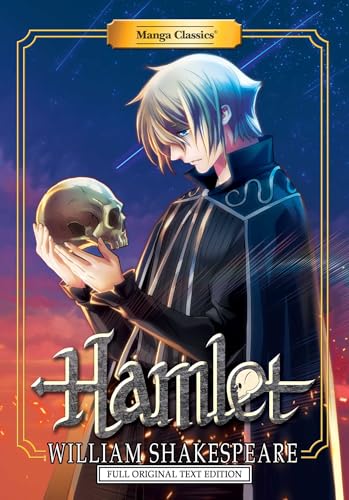
Modern Shoujo Manga
These contemporary series show the breadth and continued innovation within the shoujo demographic in 2026.
- Yona of the Dawn: A prime example of a modern shoujo with a strong focus on action and adventure. This historical fantasy follows a sheltered princess who is forced to flee her kingdom and grows into a powerful warrior to reclaim her throne. It combines political intrigue and character-driven drama.
- Kimi ni Todoke: From Me to You: A pure and heartwarming high school romance that is a perfect example of a character-focused narrative. It centers on Sawako Kuronuma, a shy and misunderstood girl who slowly learns to make friends and open up with the help of the most popular boy in school.
- Snow White with the Red Hair: This fantasy series showcases a proactive and independent female lead. Shirayuki is a skilled herbalist who escapes her home country and builds a new life as a court pharmacist in a neighboring kingdom, proving her worth through her intelligence and hard work while developing a relationship with a prince.
FAQs About what is shoujo manga
Is shoujo manga only about romance?
No, shoujo manga is not exclusively about romance. While romance is a very popular and prevalent genre, the shoujo demographic encompasses a wide variety of genres, including fantasy, action, horror, comedy, and slice of life. The defining factor is its target audience (young women), not its subject matter.
Can boys read shoujo manga?
Absolutely; anyone can read and enjoy shoujo manga. The term “shoujo” refers to the intended marketing demographic, not a restriction on who the audience can be. Many boys and men enjoy shoujo series for their strong character development, intricate plots, and focus on emotional storytelling.
What is the difference between shoujo and josei?
The main difference is the target age group and thematic maturity. Shoujo manga targets teenage girls (roughly 10-18) and typically focuses on themes like first love and high school life. Josei manga targets adult women (18+) and explores more mature, realistic themes like careers, adult relationships, and complex life challenges.
What is “shoujo ai”?
“Shoujo ai” is a fan-created term used to describe stories focusing on a non-explicit romantic relationship between two female characters, told in a shoujo style. The term is more popular in the West; in Japan, such stories are typically categorized under the broader “Yuri” (百合) genre. They maintain the shoujo emphasis on emotional connection and relational development.
What are some common shoujo tropes?
Common shoujo tropes often relate to romance and school life. These include the “kabedon” (a character dramatically pinning another against a wall), love triangles, a clumsy but endearing female lead, a cold and mysterious but popular male love interest (bishōnen), and festival episodes where characters confess their feelings.
Are there action-focused shoujo manga?
Yes, there are many popular action-focused shoujo manga. These series masterfully blend action, adventure, and fantasy with the demographic’s characteristic focus on character relationships and emotional growth. Famous examples include Sailor Moon, Yona of the Dawn, and Basara.
What is Shojo Beat?
Shojo Beat was a manga anthology magazine and is currently an imprint of VIZ Media in North America. The magazine was a major force in popularizing shoujo manga in the West during its run. Today, the Shojo Beat imprint continues to be the brand under which VIZ Media publishes many of its English-translated shoujo titles.
How do shoujo protagonists differ from shonen protagonists?
Shoujo protagonists typically achieve their goals through emotional intelligence, empathy, and building relationships. Their growth is often internal and focused on self-discovery and understanding others. In contrast, shonen protagonists often achieve their goals through physical strength, special powers, and defeating external enemies, with a focus on perseverance and becoming the “strongest.”
What role do female artists play in shoujo manga?
Female artists (mangaka) have been instrumental in shaping modern shoujo manga. Starting with the influential “Year 24 Group” in the 1970s, female creators introduced psychological depth, complex narratives, and sophisticated artistic styles that moved the demographic beyond simple stories and defined it as a space for nuanced female-centric storytelling.
Where can I read shoujo manga?
You can read official releases of shoujo manga through various legal platforms. This includes digital services like the VIZ Manga app or Shonen Jump app (which includes some Shojo Beat titles) and online bookstores like Amazon Kindle and BookWalker. You can also purchase physical copies from bookstores and online retailers.
Key Takeaways: What Is Shoujo Manga Summary
- Demographic, Not Genre: The most critical point to remember is that shoujo is an editorial demographic targeting young women, not a specific content genre. It can contain romance, action, horror, and more.
- Focus on Emotional Interiority: Shoujo narratives are characterized by their deep focus on the protagonist’s internal thoughts, emotional growth, and the development of interpersonal relationships.
- Distinct Artistic Style: The classic shoujo art style uses large, expressive eyes, fluid paneling, and decorative backgrounds to visually represent the characters’ emotional states.
- Defined by Comparison: Shoujo differs from shonen (for boys, action-focused), josei (for adult women, more realistic), and seinen (for adult men, more complex/dark) primarily by its target audience and thematic focus.
- Shaped by Female Creators: The evolution and sophistication of modern shoujo manga are owed in large part to pioneering female artists in the 1970s who introduced complex psychological themes.
- Broad and Diverse: From the magical girl action of Sailor Moon to the historical fantasy of Yona of the Dawn, the shoujo category is incredibly diverse and offers a wide range of stories beyond simple romance.
Final Thoughts on Understanding Shoujo Manga
Ultimately, understanding shoujo manga is about looking past stereotypes and appreciating its true nature. It is not just “romance comics for girls,” but a vast and influential demographic category defined by its focus on female-centric stories and emotional depth. Recognizing that shoujo is an audience category—not a genre cage—is the key that unlocks a universe of incredible stories.
Whether you’re drawn to epic fantasy, heartfelt drama, or lighthearted comedy, there is a shoujo series waiting for you. Now that you are equipped with this knowledge, you can confidently dive into this rich and rewarding corner of the manga world and discover the powerful narratives it has to offer. Which approach will you try first?
Last update on 2026-04-08 / Affiliate links / Images from Amazon Product Advertising API


