
Ever found a new comic you loved, only to be confused about manga and manhwa? You’re not alone in struggling to tell these two incredible forms of graphic storytelling apart. This common mix-up can make it hard to find more of what you love.
The primary difference between manga and manhwa is their country of origin: manga are comics from Japan, while manhwa are comics from South Korea. This core distinction leads to fundamental differences in reading direction, use of color, and publication format. Most manga is black and white and read right-to-left, whereas modern manhwa is often in full color and read by scrolling vertically.
Drawing from an authoritative comparison of current industry practices, this guide will provide a clear, definitive explanation. We will break down the seven essential differences to master your comic knowledge. You’ll soon be able to identify Japanese comics and Korean comics with confidence.
What’s the Difference Between Manga and Manhwa?
At the heart of the manga vs manhwa discussion is a simple distinction: their origin. Manga (漫画) is the term for Japanese comics, a powerhouse of global pop culture. Manhwa (만화) refers to Korean comics, which have exploded in popularity with the rise of digital webtoon platforms. While they might look similar at a glance, each is a unique art form shaped by its own culture, history, and technology. Understanding these origins is the first step to appreciating the rich diversity within East Asian comics. This guide provides a definitive comparison to clear up any confusion and help you navigate these exciting worlds of serialized comics.
Manga vs Manhwa: The 7 Essential Differences to Know in 2026
Now that we’ve established the basic distinction, let’s dive into the seven essential differences that will help you tell manga and manhwa apart instantly. From the way you read them to their visual style and cultural significance of manga and manhwa, each point offers a clear clue to its origin. This structured breakdown will address the most common points of confusion, giving you a clear framework for identifying each comic art form.
1. Identify Their Origin: Japan vs. South Korea

Pin this definitive guide to your ‘Comics & Art’ board to never get them mixed up again!
The most fundamental rule is also the simplest: the origin countries determine the name. Each term is simply the local word for “comics.” To provide complete clarity, it’s also helpful to know the term for Chinese comics. This knowledge forms the bedrock of understanding the cultural background comics come from.
What You Need to Know
- Manga (漫画): This is the Japanese word for comics. If the work manga originates from Japan, it’s a manga.
- Manhwa (만화): This is the Korean word for comics. If the work manhwa is produced in South Korea, it’s a manhwa.
- Manhua (漫画): This is the Chinese word for comics. If the work originates from China, it’s a manhua.
Why It Matters
- Cultural Context: The origin dictates the story’s setting, character names, and social norms. A manga will be steeped in Japanese culture, while a manhwa will reflect Korean society.
- Story Themes: While genres overlap, certain themes are more prevalent based on the country’s own media landscape and history.
- Author’s Background: The creator’s nationality is the ultimate deciding factor. A Japanese artist creating comics is making manga, and a Korean artist is making manhwa.
Pro-Tip: Don’t be fooled by the art style alone! Many artists are influenced by other styles, but the creator’s country of origin is the definitive rule. The cultural significance of manga and manhwa is deeply tied to their national identities.
2. Compare the Reading Direction & Flow

Save this handy visual tip to your “Reading Guides” board!
One of the most practical differences you’ll encounter is the reading direction. This is often the first clue that you’re reading a manga instead of a Western comic. The manga reading direction follows traditional Japanese writing, while modern manhwa has evolved for the digital age, creating a completely different reading experience.
What You Need to Know
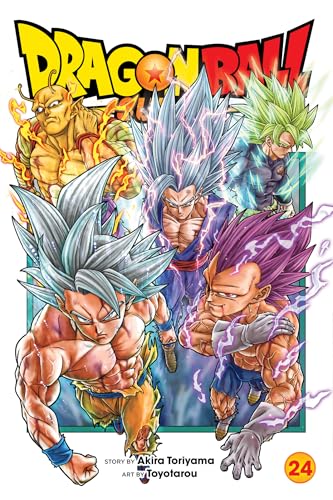
- Manga: Read from Right to Left. You start at what a Western reader would consider the “back” of the book and read the panels from right-to-left, top-to-bottom.
- Manhwa: Traditionally read from Left to Right. However, the vast majority of modern manhwa are webtoons, which are read by scrolling vertically from top to bottom on a digital device.
Why It Matters
- Reading Experience: The first time reading a print publication manga can be confusing, but it quickly becomes second nature. The vertical scrolling webtoon format is incredibly intuitive for smartphone users and allows for unique pacing.
- Panel Layout: Manga artists use the two-page spread and page-turn for dramatic reveals. Manhwa artists use the “infinite canvas” of the scroll to create long, flowing scenes and build suspense.
- Pacing: The constant scrolling of a manhwa can create a faster, more fluid storytelling pacing compared to the deliberate panel-by-panel progression of manga.
Pro-Tip: Most official digital manga apps and physical volumes include a small instructional page explaining how to read manga correctly. For manhwa, if it’s on a platform like Webtoon or Tapas, just start scrolling down!

3. Notice the Use of Color: Black & White vs. Full Color

Pin this color comparison for your next comic deep dive!
The most immediate visual difference is the use of color. The iconic look of black and white manga is a result of its history in print, while the vibrant full color manhwa is a product of its digital origins. This distinction dramatically affects the mood and artistic focus of the work.
What You Need to Know
- Manga: Traditionally published in black and white. Color pages are rare and usually reserved for special chapters or deluxe tankobon volumes. Artists use screen tones for shading and texture.
- Manhwa: Modern digital format manhwa (webtoons) are almost always published in full color. Artists use a full digital palette to set the mood and create vibrant worlds from the start.
Why It Matters
- Visual Mood: The stark contrast of black and white in manga creates a unique, dramatic atmosphere. The full color artwork of manhwa allows for immediate and rich environmental and emotional storytelling.
- Production Process: The black and white manga tradition stems from the need for fast, inexpensive weekly printing. Full color manhwa is a product of the digital age, where color screens are standard and printing costs aren’t a factor for online distribution via a webtoon platform.
- Artistic Focus: Manga artists are masters of line work and composition. Manhwa artists often have strong skills in digital painting and color theory.
Pro-Tip: Some newer manga are being created “full-color” for digital platforms to compete, and some artistic manhwa are black and white by choice. However, the overwhelming standard remains: manga is black and white, manhwa is color.
4. Analyze the Publication Format: Print vs. Digital

Share this with a friend who’s deciding whether to go digital or start a collection!
The publication format reveals the different industry structures behind manga and manhwa. Manga has a long, established history built around traditional print comics, while the modern manhwa boom was fueled by the accessibility and innovation of online comic platforms. This fundamental difference in their ecosystems affects how stories are released, discovered, and consumed.
What You Need to Know
- Manga: The industry is built around print publication manga. New chapters are often serialized in magazines like Weekly Shonen Jump and later compiled into paperback volumes called tankōbon.
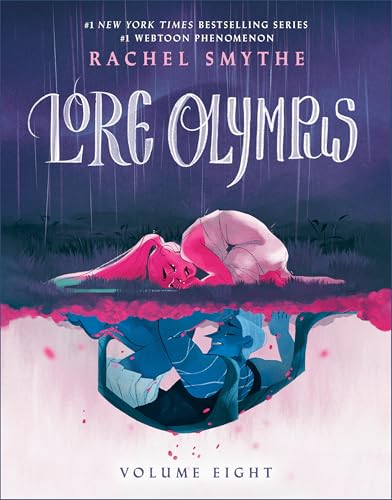
- Manhwa: The modern industry is overwhelmingly digital-first. New chapters are released weekly directly on a webtoon platform like Naver Webtoon or Lezhin Comics. Print versions are typically created only after a series becomes a massive online hit.
Why It Matters
- Accessibility: Manhwa can be more accessible globally, as many platforms have simultaneous English translations. Manga often has a delay between the Japanese release and official translated volumes.
- Monetization: Manga relies on magazine and book sales. The webtoon production pipelines often use a “freemium” model where users can read for free with daily passes or pay to read ahead.
- Discovery: You discover manga in bookstores or through publisher sites. You discover manhwa through the algorithms and featured banners of digital publishing ecosystems in Asia.
Pro-Tip: The success of the webtoon model has led to the rise of digital manga platforms like Manga Plus, which now release chapters simultaneously worldwide. This shows the impact of publication format on manga and manhwa are influencing each other.

5. Differentiate the Art Style & Character Design

Can you spot the differences? Pin this art guide to your “Character Design” board!
While many artists have unique styles, there are common trends in the manhwa art style versus manga’s aesthetic. These are generalizations, not rules, but they can be strong visual clues. The character design often reflects different cultural beauty standards and artistic conventions, from exaggerated facial expressions manga are famous for to the detailed fashion of manhwa.
What You Need to Know
- Manga Art Style: Often characterized by stylized manga characters with large, expressive eyes, spiky hair, and exaggerated “chibi” forms for comedic effect. This is the iconic “anime style.”
- Manhwa Art Style: Tends to lean towards more realistic manhwa proportions. Characters often have more natural facial features, and there is a heavy emphasis on fashionable, detailed clothing manhwa and modern hairstyles.
Why It Matters
- Aesthetic Preference: Some readers are drawn to the iconic style of manga, while others prefer the more grounded, realistic beauty of many manhwa characters.
- Character Connection: The hyper-expressiveness of manga conveys emotion instantly, while the subtlety in manhwa art may require more attention to small facial details.
- Genre Indicators: The hyper-stylized look is common in fantasy/action shonen manga themes, while the realistic, fashionable look is a hallmark of many modern romance manhwa themes.
Pro-Tip: One of the quickest ways to guess is to look at the jawline and eyes. Manga characters often have more pointed chins and very large, distinct eyes. Manhwa characters frequently have softer jawlines and eye shapes that are closer to real-life proportions.

6. Learn the Naming Conventions & Terminology

Impress your friends with your comic terminology knowledge. Pin this now!
Knowing the correct terminology for the Japanese comic style and Korean comic style shows respect for the creators and their distinct industries. Using the right terms for the authors and the comics themselves will also help you engage more deeply with fan communities and find information more easily online.
What You Need to Know
- Creators:
- Manga: The artist/author is called a mangaka (漫画家).
- Manhwa: The artist/author is called a manhwaga (만화가).
- The Work Itself:
- Both are forms of serialized comics, but you refer to them by their specific name: manga or manhwa.
- Fans:
- Manga: A dedicated fan might be called an otaku (オタク).
- Manhwa: A dedicated fan in Korea might be called a deokhu (덕후).
Why It Matters
- Respecting the Culture: Using the correct terminology is a sign of respect for the art forms and their distinct cultural origins.
- Community Engagement: Using the right terms will get you better search results and help you communicate effectively with other fans.
- Understanding Industry Roles: The terms mangaka and manhwaga highlight the incredible talent required to write, draw, and produce these stories.
Pro-Tip: While fan terms exist, it’s always safe to just say you’re a “manga fan” or “manhwa fan.” The most important takeaway is to call the art and the artist by their correct titles: mangaka for manga, and manhwaga for manhwa.

7. Observe the Cultural Impact & Adaptations

Anime or K-Drama? Pin this to see where your favorite stories go next!
The journey of a successful comic doesn’t end on the page. The most common adaptation path for a popular series is a major clue to its origin. The massive global industries of Japanese animation and Korean television have created distinct pipelines for these beloved stories to reach an even wider audience.
What You Need to Know
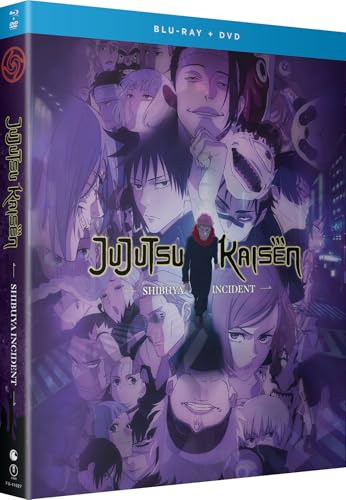
- Manga Adaptations: The most celebrated path for a successful manga is to be adapted into an anime. Many of the world’s most famous anime began as manga.
- Manhwa Adaptations: The most prominent path for a hit manhwa is to be adapted into a live-action K-drama. The booming Korean television industry sees popular webtoons as a goldmine of proven stories.
Why It Matters
- Media Ecosystem: This shows the different strengths of the Japanese and Korean entertainment industries. The fact that manga influences anime is a cornerstone of its ecosystem. The fact that manhwa is adapted into K-dramas is a direct result of the impact of Hallyu on manhwa popularity.
- Transmedia Storytelling: Understanding these transmedia adaptations of webtoons and manga allows fans to follow their favorite stories across different mediums.
- Discoverability: If you love K-dramas, you might be surprised how many started as manhwa. Likewise, nearly every anime fan knows their show has a source manga to explore.
Pro-Tip: The relationship is symbiotic. A popular anime will drive manga sales through the roof. A hit K-drama will send millions of new readers to the original webtoon. It’s a key part of the creator economy in digital comics.
Key Takeaways
Now you have the tools to tell these two fantastic art forms apart. Here’s a quick summary of the essential differences between manga and manhwa.
- Origin is Key: Manga = Japan. Manhwa = South Korea. As a bonus, Manhua = China. This is the most fundamental rule.
- Reading Direction: Read manga from right-to-left in print. Read manhwa by scrolling vertically on a digital device.
- Color Palette: Expect manga to be in black and white. Expect manhwa to be in vibrant full color.
- Primary Format: Manga is a print-first industry (books and magazines). Manhwa is a digital-first industry (webtoon platforms).
- Art Style Generalizations: Manga art often features large, expressive eyes and stylized features. Manhwa art often leans towards more realistic proportions and detailed, fashionable characters.
- Creator Titles: The creator of a manga is a mangaka. The creator of a manhwa is a manhwaga.
- Adaptation Path: Successful manga often become anime. Successful manhwa often become live-action K-dramas.
People Also Ask About Manga and Manhwa
What’s the difference between manga, manhwa, and manhua?
The key difference is their country of origin. Manga are comics from Japan, manhwa are comics from South Korea, and manhua are comics from China. This origin difference influences everything from reading direction to art style and cultural context within the stories.
Are webtoons considered manhwa?
Yes, for the most part, modern webtoons are a format of manhwa. The term “webtoon” specifically refers to the vertical-scrolling digital comic format that was popularized in South Korea. Because the format and the vast majority of early, popular works came from South Korea, the terms webtoon and digital manhwa are often used interchangeably.
Why is manga usually black and white?
Manga is traditionally black and white due to historical and economic reasons. Manga chapters have historically been printed weekly in large magazines on inexpensive paper. Printing in black and white was significantly faster and cheaper, allowing for this rapid production schedule.
Do manhwa have physical copies?
Yes, but they are usually printed after becoming popular online. The manhwa industry is digital-first, meaning series are created for and released on webtoon platforms. If a series gains immense popularity, a publisher may produce physical print volumes, but this is the second step, not the first.
Which one should I read first, manga or manhwa?
It completely depends on your personal taste! If you enjoy classic stories and don’t mind black and white art or reading right-to-left, diving into a famous manga is a great start. If you prefer full-color artwork and a mobile-friendly reading experience, you might love starting with a popular manhwa on an app like Webtoon.
Is anime the same as manga?
No, anime and manga are different mediums. Manga is the printed comic book or graphic novel. Anime is the animated version, like a cartoon or TV show. Often, a popular manga will be adapted into an anime series, but they are two separate products.
How do you pronounce manhwa?
“Manhwa” is pronounced roughly as “MAHN-hwah.” The first syllable “man” sounds like the “mon” in “monster,” and the second syllable “hwa” is a quick, breathy sound. It’s distinct from “manga,” which is pronounced “MAHN-gah.”
What are the most popular genres in manhwa?
Romance, fantasy, and action are extremely popular genres in manhwa. Modern romance stories set in office or historical fantasy settings are huge hits. Additionally, “system” action-fantasy stories, where characters level up like in a video game, have become a globally popular manhwa subgenre.
Can a non-Japanese person make manga?
This is a topic of debate among fans. Technically, “manga” is Japanese for “comic,” so some argue only Japanese creators can make it. However, the term is now also widely used to describe a style of comic, often called OEL (Original English-Language) Manga to respect its Japanese origins.
What is a light novel?
A light novel is a style of Japanese novel targeting young adults. While they are text-based books, they are closely related to the manga world and are usually illustrated with a few manga-style images. Many popular manga and anime originated as light novels.
Final Thoughts
While the difference between manga and manhwa is clear, both Japanese comics and Korean comics offer a universe of incredible stories. From the traditional print craftsmanship of a mangaka to the digital artistry of a manhwaga, both mediums are pushing the boundaries of visual storytelling. Now that you can confidently tell them apart, the only question left is which world you will dive into first.
By understanding their unique origins, formats, and cultural pathways, you can better appreciate the artistry behind every panel and scroll. Both manga and manhwa provide endless entertainment, and your reading journey has only just begun. What’s been your experience with manga and manhwa?
Last update on 2026-04-07 / Affiliate links / Images from Amazon Product Advertising API


