
Struggling to pinpoint exactly when the iconic Dragon Ball manga began and ended? You’re not alone, as the anime’s naming conventions often create confusion about the original comic’s timeline. Many fans wonder where the official story by Akira Toriyama truly starts and finishes.
The original Dragon Ball manga, created by Akira Toriyama, began its serialization in Shueisha’s Weekly Shōnen Jump on November 20, 1984, and concluded on May 23, 1995. This single, continuous story spans 519 chapters and forms the complete, canonical narrative from Goku’s childhood to the final battle with Majin Buu.
Based on official publication data and verified records, this guide provides the definitive timeline for the Dragon Ball manga’s publication. You will discover the exact start and end dates, the reason for its conclusion, and the current status of its sequel, Dragon Ball Super, giving you a clear and accurate understanding of the entire series.
Key Facts
- Definitive Start Date: The first chapter of the Dragon Ball manga was published in Weekly Shōnen Jump on November 20, 1984, according to official records from its publisher, Shueisha.
- Definitive End Date: The final chapter of the original series was released on May 23, 1995, marking the conclusion of Akira Toriyama’s initial decade-long run.
- Total Chapter Count: The entire original series consists of 519 individual chapters, telling one complete, unbroken story.
- Collected Volume Count: These 519 chapters were compiled into 42 standard collected volumes, known in Japan as tankōbon.
- “Z” Is an Anime Distinction: The original manga was titled Dragon Ball for its entire run; the “Z” was added by the anime studio to signify a new era and was not part of Toriyama’s original manga title.
When Did the Original Dragon Ball Manga’s Serialization Start and End?
The original Dragon Ball manga, the foundational work by creator Akira Toriyama, was serialized in Shueisha’s Weekly Shōnen Jump magazine from November 20, 1984, to May 23, 1995. This official publication run lasted for just over ten and a half years, establishing the complete and canonical story that has captivated fans for decades. This single, uninterrupted series tells the entire tale from young Goku’s first meeting with Bulma to the final resolution of the Majin Buu saga.

Unlike the anime adaptation, which was split into Dragon Ball and Dragon Ball Z, the manga was one continuous narrative under a single title. The weekly serialization format meant that a new chapter was released almost every week for over a decade, a demanding schedule common in the Japanese manga industry. This consistent output allowed the story to evolve in real-time for its readers, building a massive and dedicated following in Japan before it became an international phenomenon.
The importance of these dates is rooted in their status as the official record from the publisher, Shueisha. They define the canonical timeframe for Toriyama’s original vision, separate from any subsequent anime, films, or sequels. For fans and pop culture historians, this period represents the golden age of one of the most influential shōnen manga series ever created.
Original Serialization Period:
* Start: November 20, 1984
* End: May 23, 1995
What Were the Publication Details of the Original Run?
To fully appreciate the scale of the original Dragon Ball manga’s run, it’s helpful to look at the specific numbers. The decade-long serialization produced a massive body of work that remains the benchmark for the franchise. These details highlight the scope and format of the original Japanese release.
| Publication Detail | Specification |
|---|---|
| Total Chapters | 519 individual chapters |
| Serialization Magazine | Weekly Shōnen Jump |
| Original Publisher | Shueisha |
| Original Run Format | Weekly Chapters |
| Collected Volumes | 42 tankōbon volumes |
| Tankōbon Release Period | September 1985 – August 1995 |
The term tankōbon refers to the standard, paperback-style graphic novels that collect the individual chapters previously published in a magazine. For Dragon Ball, these 42 volumes represent the primary way most fans around the world have read and collected the series.
Why Did the Original Dragon Ball Manga End in 1995?
The primary reason Akira Toriyama ended the Dragon Ball manga in 1995 was creative fatigue and personal exhaustion. After working relentlessly on the series for over 10 years with a demanding weekly deadline, Toriyama felt he had told the story he wanted to tell and needed a break to pursue other creative endeavors and “take some new steps in life.”
The grueling schedule of a weekly mangaka (manga artist) in Japan is notorious. It requires producing around 15-20 pages of high-quality story and art every single week, leaving little room for breaks or personal time. In interviews, Toriyama has expressed how this relentless pace eventually wore him down. While rumors circulated for years that he intended to end the story after the Frieza or Cell sagas, his official statements confirm the decision was based on his need to finally conclude the journey he had been on for more than a decade.
This decision allowed him to close the book on Goku’s story on his own terms, providing a definitive ending after the battle with Majin Buu. While fans were sad to see it go, Toriyama’s desire to prevent burnout and end the series on a high note is a testament to his dedication to the quality of his work. It was a personal choice to preserve his own health and creative spirit rather than a decision driven by declining popularity or publisher pressure.
Is the Dragon Ball Manga Still Going with Dragon Ball Super?
Yes, the Dragon Ball story continues in a sequel manga called Dragon Ball Super, but it is currently on an indefinite hiatus. This official continuation began its serialization in the Japanese magazine V Jump in June 2015. However, it’s important to understand the creative roles involved, as they differ from the original series.
The Dragon Ball Super manga is illustrated by Toyotarou, an artist hand-picked by Akira Toriyama to be his successor. Before his passing, Toriyama provided the main story outlines, plot points, and new character designs, while Toyotarou was responsible for the detailed paneling, dialogue, and final artwork. This collaboration continued the story beyond the end of the original manga.
As of early 2026, the manga is on an indefinite hiatus. This break was announced following the release of chapter 103 and the tragic passing of Akira Toriyama in March 2024. The publisher, Shueisha, has stated they are preparing for the next story arc, but no official return date has been announced. Fans around the world are eagerly and patiently awaiting news on how the series will proceed.
How Do Different Dragon Ball Manga Editions (Tankōbon vs. Kanzenban) Compare?
For readers looking to collect the series, the two main versions are the standard Tankōbon and the premium Kanzenban (“Perfect Edition”). The Tankōbon is the original 42-volume collection, while the Kanzenban is a high-quality 34-volume rerelease aimed at collectors. Choosing between them depends on your preference for authenticity, quality, and budget.
For those trying to decide which version to buy, this table breaks down the key differences:
| Feature | Tankōbon (Original Edition) | Kanzenban (“Perfect” Edition) |
|---|---|---|
| Volume Count | 42 volumes | 34 volumes |
| Page Quality | Standard manga paper | High-quality, premium paper |
| Color Pages | Originally colored pages are printed in black-and-white. | Restores all original color pages from the Weekly Shōnen Jump run. |
| Cover Art | Original 1980s/90s cover art. | Brand new cover art drawn by Akira Toriyama for the re-release. |
| Ending | Contains the original manga ending. | Features a slightly rewritten and extended ending. |
| Size | Standard manga size. | Larger trim size. |
| Extras | Contains some author messages and side content not in the Kanzenban. | Removes some of the original author side-notes but has a cleaner presentation. |
Other editions also exist, such as the 3-in-1 “VizBig” editions released in English by Viz Media, which offer a more budget-friendly way to collect the series, and a Full-Color version that digitally colors the manga panels. The Kanzenban is generally considered the definitive collector’s version due to its superior quality and inclusion of Toriyama’s new art and restored color pages.
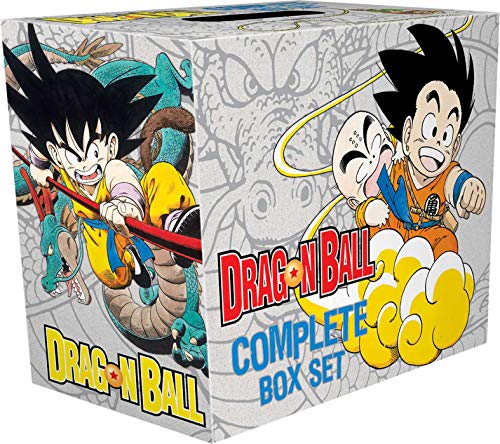
FAQs About when did dragon ball manga
When did the Dragon Ball Z part of the manga start?
The Dragon Ball manga is a single, continuous story and was never officially separated into “Dragon Ball” and “Dragon Ball Z” in Japan. The “Z” branding was created for the anime adaptation to signify the time skip and shift in tone. This change occurs in manga chapter 195, which was released in 1988, marking the beginning of the Saiyan Saga.
When did the Dragon Ball manga come out in America?
Viz Media began releasing the Dragon Ball manga in English in a monthly comic book format in 1998. They later switched to the more common graphic novel (tankōbon) format in 2000. To align with the popular anime, they initially split the series, releasing the first part as Dragon Ball and the second as Dragon Ball Z.
What is the final chapter of the original Dragon Ball manga?
The final chapter of the original Dragon Ball manga is chapter 519. This chapter concluded the story’s original run in the Weekly Shōnen Jump magazine on May 23, 1995. It depicts the events after the final battle with Majin Buu and leads into a time skip for the 28th World Martial Arts Tournament.
Is Dragon Ball GT in the manga?
No, Dragon Ball GT is an anime-only sequel and is not based on the manga by Akira Toriyama. Toei Animation created GT to continue the story after the Dragon Ball Z anime concluded in 1996. The original manga’s story officially ends after the Buu Saga, making GT a non-canon entry for manga purists.
Who is Toyotarou?
Toyotarou is the manga artist chosen by Shueisha and Akira Toriyama to be his successor for the Dragon Ball series. He is the illustrator for the Dragon Ball Super manga, working from story outlines and concepts provided by Toriyama before his passing. He began as a fan artist before being officially recognized for his talent.
When will the Dragon Ball Super manga return from hiatus?
As of early 2026, the Dragon Ball Super manga is on an indefinite hiatus with no official return date announced. The break began after the release of chapter 103 in March 2024, following the passing of original author Akira Toriyama. The publisher, Shueisha, has only stated they are preparing for the next story arc.
What is the difference between the Dragon Ball manga and the anime?
The primary difference is that the manga is the original source material by Akira Toriyama, while the anime is an adaptation. The anime, particularly Dragon Ball Z, includes additional non-canon story arcs, scenes, and character moments known as “filler” to prevent it from catching up to the manga’s weekly release schedule. The manga provides a more direct and fast-paced version of the story.
How many chapters did Dragon Ball Super release before its hiatus?
The Dragon Ball Super manga released 103 chapters before going on an indefinite hiatus in March 2024. These chapters cover several arcs that go beyond the Dragon Ball Super anime series, including the Galactic Patrol Prisoner (Moro) arc and the Granolah the Survivor arc, providing new canonical story content for fans.
Where does the Dragon Ball Z anime end in the manga?
The story covered by the Dragon Ball and Dragon Ball Z anime concludes with chapter 519 of the manga. The entire 42-volume manga series tells one continuous story from Goku’s childhood through the defeat of Majin Buu. The Z-era content starts at chapter 195 and runs to the end.
Is the Dragon Ball manga the longest-running manga?
No, while Dragon Ball had a long run of over ten years, it is not the longest-running manga series. Many other series, such as One Piece (also from Weekly Shōnen Jump), Case Closed, and Hajime no Ippo, have been in serialization for a much longer period and have published significantly more volumes.
Final Thoughts on the Dragon Ball Manga’s Legacy
Understanding the timeline of the Dragon Ball manga is key to appreciating its monumental legacy. The original series had a clear and definitive run from 1984 to 1995, a decade of creation that defined a generation of storytelling. This period delivered a complete, 519-chapter saga that remains the untouchable source material for the entire franchise. Akira Toriyama’s decision to end the series due to creative exhaustion ensured it concluded on a high note, preserving its quality and impact.
While the story now continues with the Dragon Ball Super manga, its current hiatus reminds us of the immense creative energy required to produce such a beloved world. The distinction between the original manga, its anime adaptations, and its modern sequel is crucial for any fan wanting to explore the story in its purest form. Whether you choose the classic tankōbon or the premium kanzenban, you are holding a piece of pop culture history that continues to inspire creators and entertain audiences worldwide.
Last update on 2026-04-12 / Affiliate links / Images from Amazon Product Advertising API


