
Struggling to find a clear answer on when the Bleach manga ended? You’re not alone. Many fans are confused by the 2016 manga finale versus the ongoing anime adaptation.
The Bleach manga officially concluded with its final chapter on August 22, 2016. This date marked the end of its 15-year serialization in Shueisha’s Weekly Shonen Jump. This event is distinct from the Bleach: Thousand-Year Blood War anime, which is a separate adaptation.
Based on official announcements and author interviews, this guide provides the definitive timeline. You’ll discover exactly why the manga ended when it did. We will also explore how the new anime is fixing the original’s biggest problems.
Key Facts
- Definitive End Date: The Bleach manga’s serialization officially ended on August 22, 2016, with the publication of its final chapter, chapter 686.
- Author’s Health: The primary reason for the series’ conclusion was not cancellation but the declining health of its creator, Tite Kubo, who struggled to maintain the weekly release schedule.
- Final Arc: The manga concludes with the “Thousand-Year Blood War” arc, which ran from chapter 480 to 686.
- Anime is an Expansion: The Thousand-Year Blood War anime, which began in 2022, is not a direct adaptation; it includes new scenes and fights supervised by Tite Kubo to complete his original vision.
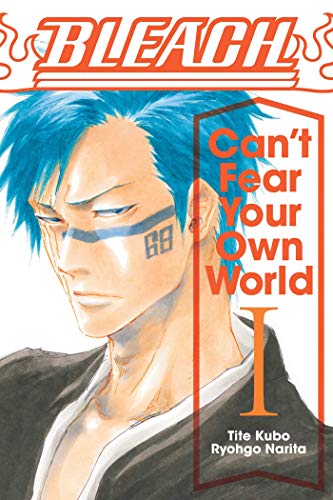
- Canon Sequel Exists: The story is officially continued in the canon light novel series “Can’t Fear Your Own World,” which resolves many plot holes from the manga’s rushed ending.
When Did the Bleach Manga Officially End?
The Bleach manga officially ended its serialization on August 22, 2016. The final installment, chapter 686, titled “Death & Strawberry,” was published in the 38th issue of Shueisha’s Weekly Shonen Jump magazine that year. This confirmed date marks the definitive conclusion of the original manga’s 15-year run, which began in August 2001.

The announcement of the manga’s end came from its publisher, Shueisha, earlier in the summer of 2016, creating a countdown to the finale. It’s crucial to understand the manga serialization process; this 2016 date refers specifically to the end of the source material’s publication. This conclusion is entirely separate from the timeline of the Bleach: Thousand-Year Blood War anime adaptation, which is scheduled to conclude years later.
The official end date for the Bleach manga is Monday, August 22, 2016.
This distinction is the source of most confusion. The original story written and drawn by Tite Kubo is complete and contained within 74 volumes. The new anime is an adaptation of that final arc, but with significant additions that alter the experience, a topic we’ll explore further.
Why Was the Bleach Manga’s Final Arc Rushed?
The primary reason for the Bleach manga’s rushed ending was the declining health of its author, Tite Kubo. The demanding schedule of a weekly manga serialization in a high-profile magazine like Weekly Shonen Jump had taken a significant toll on his physical well-being. This led to a mutual decision with the publisher, Shueisha, to conclude the story within a fixed timeframe.
This accelerated timeline forced Kubo to condense what he had planned as several years of story into roughly one year of chapters. The result was an abrupt conclusion to the Thousand-Year Blood War arc, with many off-screen fights, unresolved plot threads, and incomplete character arcs. The decision was not a sudden cancellation due to poor performance but a planned, albeit hurried, conclusion.
Here are the key factors that contributed to the rushed finale:
- Author’s Health: Tite Kubo was suffering from severe physical ailments that made it impossible to continue the series at the required pace.
- Weekly Deadlines: The grueling nature of producing a high-quality manga chapter every single week for over a decade exacerbated his health problems.
- Mutual Agreement: The decision to end the series was made in consultation between Kubo and his editorial department at Shueisha, establishing a firm end date.
What Was the Impact of Tite Kubo’s Health on the Final Arc?
The impact of Tite Kubo’s health on the final arc was direct and severe. In later interviews, the author-artist [Tite Kubo] revealed the extent of his struggles. He was dealing with ailments that included a torn shoulder tendon, making the physical act of drawing for long hours intensely painful. The manga serialization process for a weekly publication is relentless, and this physical condition made meeting deadlines nearly impossible without sacrificing story content.
According to Kubo, he was in constant pain for the final years of Bleach’s run. This led to him telling his editor that he could not continue the series, prompting the discussion to set a final deadline for the conclusion.
This physical limitation is the direct cause of the rushed pacing. Plotlines for important characters were truncated, and major confrontations that fans had anticipated for years were resolved in a single chapter or even off-panel. The narrative had to move from point A to point B without the connective tissue that defined Bleach’s earlier arcs.
Was the Manga Officially Cancelled by Shonen Jump?
No, the Bleach manga was not officially “cancelled” or “axed” in the traditional sense. This is a common misconception among fans. The shonen jump axing policy typically involves a series being forcibly terminated by the editorial department due to consistently low rankings in weekly reader surveys. While Bleach’s popularity had waned from its peak, it was still a pillar of the magazine.
The conclusion was a planned event, not a sudden termination. It resulted from a mutual agreement between Tite Kubo and Shueisha. The author’s health made it clear that the series could not continue indefinitely. Therefore, they negotiated a timeframe to wrap up the story. While the end was rushed, it was a deliberate conclusion, not a cancellation for poor performance.
How Does the Manga’s Ending Compare to the Thousand-Year Blood War Anime?
The Thousand-Year Blood War anime significantly differs from the Bleach manga’s ending by adding a substantial amount of new content. Tite Kubo is actively supervising the anime’s production to include fights, character moments, and crucial plot explanations that were originally omitted from the manga’s rushed finale. This makes the anime a more complete version of the story.
The anime aims to address the manga’s biggest criticisms, such as its unresolved plot threads and off-screen battles. By adding new canon material, the anime serves as both an adaptation and a restoration of Kubo’s original vision for the ending. Fans of the manga will find extended scenes, new lore, and the proper animated debut of abilities that were previously only mentioned.
Here is a direct comparison of the two formats:
| Feature/Aspect | Manga Ending (2016) | Thousand-Year Blood War Anime Ending (Projected) |
|---|---|---|
| Pacing | Heavily rushed with abrupt transitions and off-screen fights. | More deliberate pacing with extended scenes and clearer progression. |
| Content Scope | Limited to chapters 480-686; many plot points are truncated. | Includes new scenes, lore explanations, and fights supervised by Tite Kubo. |
| Key Fights | Several anticipated fights are extremely short or occur off-page. | Extended battles for key characters (e.g., Squad Zero) are animated. |
| Unresolved Plot Threads | Leaves multiple character fates and power explanations unresolved. | Aims to address major plot holes and provide more narrative closure. |
| Author Involvement | Ended under duress due to author’s health. | Tite Kubo is actively involved in production to add canon ending material. |
Do the Bleach Light Novels Complete the Story?
Yes, the official Bleach light novels, especially the “Can’t Fear Your Own World” trilogy, are considered canon and effectively complete the story. Written by Ryōgo Narita with direct supervision and lore contributions from Tite Kubo, these novels serve as a direct sequel to the manga’s final chapter. They are the definitive solution for fixing bleach plot holes.
These novels are essential for anyone seeking a more satisfying conclusion. They directly address many of the unresolved plot threads and mysteries that the manga’s rushed ending left behind. The story focuses on the power vacuum created after Yhwach’s defeat and delves deep into the foundational lore of the Bleach universe.
Key mysteries solved by the Can’t Fear Your Own World light novels include:
- The true nature and history of the Soul King.
- The origins and dark secrets of the Five Great Noble Families.
- The full story behind characters like Shuhei Hisagi, including his Bankai.
- The fate of several supporting characters after the final battle.
For readers wanting to know what to read after the bleach manga, these novels are the answer. They provide the narrative depth and closure that the final arc lacked, making them a crucial part of the complete Bleach canon.
FAQs About when did the bleach manga end
What Chapter Does the Bleach Manga End On?
The Bleach manga officially ends on chapter 686, titled “Death & Strawberry”. This final chapter was released in August 2016 and concludes the Thousand-Year Blood War arc. The entire series consists of 686 chapters collected into 74 volumes.
How Many Volumes of the Bleach Manga Are There?
There are a total of 74 volumes (tankōbon) of the Bleach manga. The final volume, number 74, collects the last chapters of the series, including the finale. Shueisha published this volume in Japan in November 2016.
Is There a Bleach Manga Sequel?
Yes, a new special one-shot chapter was released in 2021 to commemorate the 20th anniversary. This chapter, titled “No Breathes from Hell,” sets up a potential new story arc called the “Hell Arc.” However, as of 2026, it has not been confirmed if this will become a full-fledged sequel series.
What Was the “Important Announcement” With the Final Chapter?
The “important announcement” that coincided with the manga’s final chapter was the production of a live-action film adaptation. This announcement was made in August 2016. The film was later released in 2018. For many fans, this was considered underwhelming as they had hoped for an anime continuation at the time.
Did Tite Kubo Ever Plan a Different Ending?
It is widely believed that Tite Kubo had much more planned for the final arc. Due to his health and the fixed deadline, he was forced to condense several years of planned story into about one year. The additional scenes in the Thousand-Year Blood War anime are seen as Kubo’s way of finally telling the story as he originally envisioned.
What Is “Burn the Witch” and Is It Related to Bleach?
“Burn the Witch” is another manga series by Tite Kubo set in the same universe as Bleach. It follows two witches working for the Western Branch of the Soul Society in “Reverse London.” While it shares the same world and core concepts, it features a new cast of characters and can be read independently.
When Did the Bleach Manga Start and End?
The Bleach manga began its serialization in Shueisha’s Weekly Shonen Jump on August 7, 2001. It officially ended on August 22, 2016. This gives the manga’s original run a total lifespan of just over 15 years.
Is the Bleach Manga Ending Considered Good?
The ending of the Bleach manga is highly controversial among fans. Many felt the conclusion was extremely rushed, leaving major plot threads unresolved and character arcs incomplete. While some were satisfied with the final pairings, the overall sentiment is one of disappointment with the execution of the final chapters.
Will Tite Kubo Rewrite the Manga Ending?
No, there are no plans for Tite Kubo to rewrite the manga’s ending. Instead, he is using the Thousand-Year Blood War anime adaptation as a vehicle to add the scenes, fights, and explanations that were originally cut. This is considered the definitive version of the final arc’s story.
When is the Bleach Anime Expected to End?
The Bleach: Thousand-Year Blood War anime is projected to end sometime in 2026 or later, possibly 2026. The final arc is being adapted into four separate “cours” (broadcast seasons). The exact end date will depend on the production schedule of the final cour.
Key Takeaways: Bleach Manga Conclusion Summary
- The Manga Ended in 2016: The original Bleach manga’s publication run definitively concluded on August 22, 2016. This is a separate event from the anime’s continuation.
- Author’s Health Was the Primary Reason: The
rushed endingwas not due to cancellation for poor sales, but was a mutual decision between Tite Kubo and his publisher driven by his declining health. - The Anime is Expanding the Ending: The Thousand-Year Blood War anime is not a direct 1:1 adaptation. It is actively adding new scenes and fixing
plot holeswith the author’s supervision, making it the more complete version of the story. - Light Novels Provide Canon Closure: For those left unsatisfied by the manga, the canon light novel series “Can’t Fear Your Own World” serves as a direct sequel that resolves many dangling plot threads.
- A Future Sequel is Possible but Unconfirmed: A 2021 one-shot chapter set up a potential new “Hell Arc,” but there has been no official confirmation of a full sequel series as of 2026.
- The Ending Remains Controversial: Despite the reasons, the manga’s conclusion is one of the most debated in the shonen genre, with widespread fan disappointment over its accelerated pace and lack of resolution.
Final Thoughts on the Bleach Manga’s Legacy
Understanding when the Bleach manga ended requires looking beyond a single date. While the final chapter was published on August 22, 2016, the story’s true conclusion is still unfolding. The end of the manga was a controversial but necessary event, driven by the real-world health struggles of its creator.
However, the franchise has found a unique path to redemption. Through the Thousand-Year Blood War anime and the canon light novels, Tite Kubo is retroactively delivering the ending he always intended. For fans, this means the most complete Bleach experience involves engaging with all three media: the original manga, the expanded anime, and the lore-rich novels. The journey that ended in 2016 has been given new life, offering a more satisfying and comprehensive finale for a new generation.
Last update on 2026-03-25 / Affiliate links / Images from Amazon Product Advertising API


