
Wondering where the Soul Eater anime leaves off in the manga? You’ve finished all 51 episodes and now you’re facing the common problem of wanting more of the story, but not knowing the canon path forward.
To continue the Soul Eater story after the anime, start reading the manga from Chapter 36. This is the precise point where the anime’s plot, created by Studio Bones, begins to significantly diverge from Atsushi Okubo’s original manga. Reading from this chapter ensures you experience the canon story events that the anime either skipped or changed.
Based on a detailed analysis of the source material, this guide provides the exact starting point to seamlessly transition from the anime to the manga. You’ll discover the major plot differences, the crucial story arcs the anime completely skips, and the true, canon fates of your favorite characters.
Key Facts
- Divergence Point: The anime follows the manga’s plot relatively closely until episode 35, but begins to permanently diverge at Chapter 36 of the manga.
- Missing Content: The anime adapts roughly the first 35 chapters of the manga, leaving over two-thirds of the 113-chapter story unadapted, including major arcs.
- Asura’s Defeat: The method of defeating the Kishin Asura is completely different; the anime uses an original “punch of bravery,” while the manga features a massive battle on the moon with a strategic sacrifice.
- Crona’s True Fate: Crona’s character arc in the manga is far more tragic and central to the plot, culminating in a self-sacrifice that is entirely absent from the anime.
- Soul’s Status: A major milestone is missed in the anime; in the manga, Soul Evans successfully consumes a witch’s soul and becomes the final Death Scythe.
Where Does the Soul Eater Anime Leave Off in the Manga?
The definitive answer is to start reading from Chapter 36. This chapter marks the beginning of the “Battle for Brew” arc. While some events in anime episodes 35-37 share similarities with the manga, this is the point where the storylines begin to split into two completely separate versions of events. The anime production by Studio Bones caught up with the manga’s publication, forcing them to create an entirely original conclusion.

By starting at Chapter 36, you position yourself perfectly at the crossroads of the two narratives. You will immediately begin to see new character interactions and plot developments that were never animated. This ensures you get the full, unadulterated story as intended by the original creator, Atsushi Okubo.
For an optimal reading experience, here are the specific starting points:
* Manga Chapter: Chapter 36
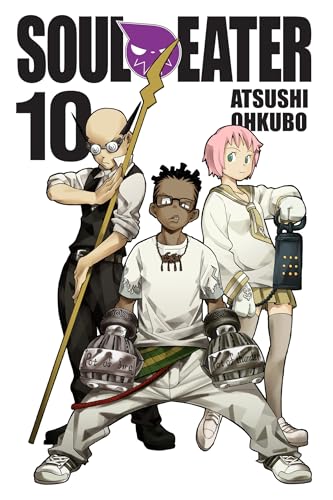
* Manga Volume: Volume 10
* ⭐Pro-Tip: Some dedicated fans recommend starting from Chapter 32. While not strictly necessary, doing so allows you to see the minor, subtle differences in setup and character dialogue leading into the major plot divergence.
What Are The Major Plot Differences Between The Anime And Manga?
The biggest differences between the Soul Eater anime and manga are the final villain’s defeat, the fate of key characters like Crona, and entire story arcs the anime skips. While the anime offers a condensed and conclusive ending, it is non-canon and significantly alters the core themes and character developments of the latter half of the series. The manga provides a much broader, more complex, and darker narrative.
The changes are not just limited to the ending. The anime introduces concepts like “Kishin Eggs” and simplifies the rules of soul consumption to move its plot along faster. In contrast, the manga maintains stricter world-building rules where only Demon Weapons can consume souls, and only from a specific list provided by Death. This difference fundamentally changes the stakes of many battles.
Here is a clear breakdown of the most significant changes between the two versions:
| Feature / Plot Point | Soul Eater Anime Version (Non-Canon) | Soul Eater Manga Version (Canon) |
|---|---|---|
| Divergence Point | The story begins to diverge around Episode 35 and is completely original after Episode 38. | The plot diverges at Chapter 36, during the “Battle for Brew” arc. |
| Asura’s Defeat | Defeated on Earth by Maka’s single punch, fueled by “bravery.” | Defeated on the Moon after a massive battle. Sealed away by Crona using the Black Blood. |
| Crona’s Fate | Befriends Maka and remains at the DWMA, playing a minor role in the final battle. | Betrays the DWMA, kills Medusa, and ultimately sacrifices themself to imprison Asura on the moon. |
| Soul Evans’ Status | Does not become a Death Scythe. | Successfully becomes the final Death Scythe after eating Arachne’s soul. |
| Key Skipped Arcs | The “Salvage Arc” (rescuing Kid from the Book of Eibon) and the “Moon Arc” are entirely absent. | Includes major arcs like the Salvage Arc and the final War on the Moon, covering nearly half the story. |
| Core Concepts | Introduces “Kishin Eggs” and allows anyone to consume souls. | Only Demon Weapons can consume souls, which must be from a specific list provided by Death. |
What Is The “Salvage Arc” That The Anime Skips?
The Salvage Arc is a major manga-only storyline where the main characters enter the magical Book of Eibon to rescue Death the Kid. This entire arc, which spans from chapters 72 to 81, is completely absent from the anime and represents a huge chunk of missing content and character development. The Book of Eibon itself is a fascinating and dangerous magical prison, with its internal chapters themed after the Seven Deadly Sins.
Inside the book, the heroes face challenges that test their minds and morals, not just their fighting ability. This arc is critical for several reasons:
* It develops Death the Kid’s character by pushing his obsession with symmetry to its breaking point under the influence of Madness.
* It features one of the most celebrated fights in the series: a powered-up Death the Kid versus Black Star.
* It introduces key plot elements related to the Great Old Ones and Noah (a major manga antagonist), setting the stage for the final battle.
Skipping this arc means anime-only viewers missed a significant part of the journey and the crucial growth the characters experience before confronting the final threat.
How Does Crona’s Story Change in the Manga?
In the Soul Eater manga, Crona’s arc is far more tragic and central to the plot’s resolution. While the anime portrays Crona with a simplified redemption story where they find friendship and stand with the heroes, the manga takes them down a much darker path. This change is arguably the most impactful difference between the two versions.
In the manga, Crona’s journey involves a heartbreaking series of events. Under pressure and manipulation, they betray the DWMA and leak vital information to Medusa. This path leads them to a devastating confrontation where they are forced to kill their own mother, Medusa. Wracked with guilt and madness, Crona’s story doesn’t end with a simple reunion. Instead, they play the most pivotal role in the final battle by making the ultimate sacrifice: using their Black Blood to permanently seal the Kishin Asura on the moon, becoming his eternal warden in a prison of their own making. This tragic-hero ending gives their character immense weight and purpose that the anime’s version lacks.
Should You Read The Soul Eater Manga After Watching The Anime?
Yes, you should absolutely read the Soul Eater manga after the anime if you want the full story and completed character arcs. The manga contains roughly double the content of the anime, including major story arcs and a more impactful, thematically rich conclusion. While the anime provides a fun, action-packed experience, the manga offers a deeper and more complete narrative.
However, it is important to go in with the right expectations. Here is a balanced look at the pros and cons of continuing with the manga.
✅ Pros of Reading the Manga:
* The Complete Canon Story: You get the entire story as the author intended, with no filler or anime-original diversions.
* Major Skipped Arcs: You get to experience huge, important arcs like the Salvage Arc and the final War on the Moon.
* Full Character Development: Characters like Crona, Death the Kid, and even Justin Law have complete, complex, and often tragic arcs that are cut short in the anime.
* A More Satisfying Conclusion: The manga’s final battle is on a much grander scale and provides a more meaningful resolution for the main cast.
❌ Cons of Reading the Manga:
* The Controversial Ending: While the overall conclusion is well-regarded, the very last chapter (Chapter 113) is often criticized by fans for feeling rushed and leaving some minor threads unresolved.
* It’s a Time Investment: The manga is 113 chapters long, meaning you have over 70 chapters to read after the anime’s divergence point.
Ultimately, the consensus among fans is clear: the manga is the definitive Soul Eater experience. The emotional depth, expanded world-building, and true character endings make it a worthwhile read for anyone who enjoyed the anime.
FAQs About where does the soul eater anime leave off in the manga
What chapter should I start reading Soul Eater from?
You should start reading the Soul Eater manga from Chapter 36. This is the definitive point where the anime’s plot begins to create its own original story, diverging from the canon source material written by Atsushi Okubo. Starting here ensures you miss none of the manga-exclusive plot.
Is there a Soul Eater season 2?
No, there is no Season 2 of the Soul Eater anime, and it is highly unlikely to be made. The first season, which aired in 2008-2009, created its own conclusive ending. Due to the significant plot differences, a continuation is not possible; the series would require a full reboot, similar to Fullmetal Alchemist: Brotherhood, to adapt the rest of the manga faithfully.
Why did the Soul Eater anime change the ending?
The anime changed the ending primarily because it caught up with the manga, which was still being published. When an anime series outpaces its source material, the animation studio (in this case, Studio Bones) must create an “anime-original” ending to conclude the story. This is a common practice in anime production.
Is the Soul Eater manga ending good?
The Soul Eater manga ending is highly controversial among fans. While it provides a conclusive and thematically rich end to the character arcs, particularly for Death the Kid and Crona, many readers find the final chapter itself to be rushed. However, it is generally considered more complete and rewarding than the anime’s abrupt ending.
What happens to Crona in the manga?
In the manga, Crona has a much more central and tragic storyline than in the anime. After betraying the DWMA, they eventually kill Medusa and, in the final battle on the moon, make the ultimate sacrifice by using their Black Blood to imprison the Kishin Asura, becoming his eternal warden.
Does Maka become a Death Scythe in the manga?
No, Maka does not become a Death Scythe; her partner, Soul Evans, does. In the manga, after Maka and Soul defeat the witch Arachne, Soul consumes her powerful soul and successfully becomes the final Death Scythe in the series, a major plot point the anime omits entirely.
Is Soul Eater Not! a sequel?
No, Soul Eater Not! is a spin-off and side story, not a sequel. It takes place concurrently with the main Soul Eater storyline but focuses on a different set of first-year students at the DWMA. While characters from the main series make cameo appearances, its plot is separate from the main conflict with Asura.
How many chapters are in the Soul Eater manga?
The complete Soul Eater manga consists of 113 chapters. These chapters are collected into 25 paperback volumes. The anime only adapts material roughly equivalent to the first 35 chapters, meaning over two-thirds of the manga’s story is not included in the anime adaptation.
Does Justin Law betray the DWMA in the manga?
Yes, in the manga, Justin Law is a traitor. He betrays the DWMA and joins the forces of the Kishin Asura. He is eventually killed by Professor Stein and Marie Mjolnir during the battle on the moon, a significant character arc completely absent from the anime where he remains loyal.
How does Asura die in the manga vs. the anime?
Asura’s defeat is drastically different in each version. In the anime, he is defeated on Earth by Maka’s single punch of “bravery”. In the manga, the fight is on the moon, and he is not killed but sealed away for eternity by Crona, who uses their own Black Blood to create an inescapable prison.
Key Takeaways: Soul Eater Anime vs. Manga Summary
- The Starting Point: To continue the story after the anime, you must start at Chapter 36 of the manga, which is where the plots permanently diverge.
- Vastly Different Endings: The anime’s “power of courage” ending is entirely original. The manga features a massive, multi-stage battle on the Moon with a completely different outcome for the Kishin Asura.
- Crona’s Tragic Canon Arc: Crona’s role is one of the biggest changes. The manga gives them a much darker, more complex, and ultimately sacrificial role that is central to the entire plot, unlike their sidelined anime counterpart.
- More Than Half the Story is Missing: The anime adapts less than half of the complete manga. By reading from chapter 36, you gain access to major arcs like the “Salvage Arc” and the entire “War on the Moon.”
- Character Fates Are Altered: Key characters have completely different fates. Soul becomes a Death Scythe in the manga, Justin Law becomes a villain, and Death the Kid’s character arc is fully realized, none of which happens in the anime.
- The Manga is the Complete Story: While the anime provides a fun but rushed experience, the manga by Atsushi Okubo is the definitive, canon story with complete character development and a more thematically complex conclusion.
Final Thoughts on where does the soul eater anime leave off in the manga
Navigating the transition from the Soul Eater anime to the manga is a common journey for fans left wanting more. The key is understanding that you are not just continuing a story; you are stepping into a different, more detailed version of it. By starting at Chapter 36, you unlock over 70 chapters of canon content, revealing the true fates of characters like Crona and witnessing major story arcs the anime never had a chance to show.
While the anime served as a fantastic introduction to the world of Meisters and Weapons, the manga is where the story’s true depth, darkness, and emotional complexity reside. It offers a more mature and complete narrative that fully realizes the potential of its characters and themes. For any fan who enjoyed the anime, picking up the manga is less of a continuation and more of a definitive upgrade.
Last update on 2026-03-27 / Affiliate links / Images from Amazon Product Advertising API


