
Finished the 1998 Trigun anime and now you’re wondering where it leaves off in the manga? You’re facing a common confusion caused by different adaptations and a unique publication history. The story you saw is only the beginning.
The 1998 Trigun anime significantly diverges from the manga after the events in the original Trigun series (Volume 2). To continue the canon story as intended by creator Yasuhiro Nightow, the recommended starting point is Trigun Maximum, Volume 1, Chapter 1. This is where the plot begins a much longer and more complex arc not seen in the first anime.
Based on an analysis of the manga’s full publication history, this guide provides the definitive reading order. You’ll discover the exact divergence point, understand why there are two manga titles, and see a clear comparison of the major differences. This reveals the complete, darker narrative of the unabridged source material.
Key Facts
- The Divergence Point: The 1998 anime’s plot begins to seriously deviate around the end of the original Trigun manga, roughly equivalent to Volume 2, Chapter 22, before entering a completely original ending.
- A Two-Part Story: The complete manga consists of two series read back-to-back: Trigun (2 omnibus volumes) and its direct sequel, Trigun Maximum (14 individual volumes), which together form one continuous narrative.
- Publisher Change Caused the Split: The name changed from Trigun to Trigun Maximum because the original magazine, Shōnen Captain, was canceled. The creator moved the series to a new magazine, Young King OURs, where it was relaunched.
- The Manga is Complete: The entire story concluded in 2007 with the final chapter of Trigun Maximum, offering a definitive and conclusive ending to the conflict between Vash and Knives that the 1998 anime does not provide.
- A Darker Tone: The manga, particularly Trigun Maximum, is a seinen series with significantly more violence and mature philosophical themes than the more action-comedy-focused 1998 shonen anime adaptation.
What Is the Correct Reading Order for the Trigun Manga?
The verified reading order for the Trigun manga series is to read the original Trigun series first, followed by the direct sequel, Trigun Maximum. Many newcomers are confused by the two titles, assuming Maximum is a reboot or alternate version. In reality, it is the second and final part of a single, continuous story created by Yasuhiro Nightow. The name change was purely due to a switch in publishers during its original serialization in Japan.

Think of it as “Part 1” and “Part 2.” The original Trigun manga sets the stage, introducing Vash the Stampede, Meryl, Milly, and Nicholas D. Wolfwood. When that series was forced to end prematurely due to its magazine’s cancellation, Nightow found a new home for it and continued the exact same plot under the Trigun Maximum title. The official English translation, published by Dark Horse Comics, preserves this two-part structure.
To follow Nightow’s original vision, you must read them in sequence. Here is the correct reading order laid out simply:
| Series Title | Original Publication | Modern Volume Count | Role in Story |
|---|---|---|---|
| Trigun | Shōnen Captain (1995-1997) | 2 Omnibus Volumes | Part 1: The Beginning. Establishes characters and world. |
| Trigun Maximum | Young King OURs (1997-2007) | 14 Individual Volumes (or 5 Omnibuses) | Part 2: The Main Story. Direct continuation and conclusion. |
Where Exactly Does the 1998 Trigun Anime Leave Off in the Manga?
The 1998 Trigun anime follows the manga until around the end of the original Trigun manga series; the full divergence point occurs after the events in Trigun Volume 2. To continue the story without missing crucial canon plot, you should start reading at Trigun Maximum Volume 1, Chapter 1. While the first half of the anime adapts early manga chapters, the second half and its finale are an “anime original ending” created because the manga was still ongoing. This means the anime’s conclusion, major character fates, and the final battle with Knives are non-canon.
To transition from the anime to the manga, you have two clear options depending on how complete of an experience you want.
- The Recommended Starting Point: The most common and efficient way to continue the story.
- The “Purist” Starting Point: For those who want to experience every bit of the original source material, including details the anime changed from the very beginning.
What is the “Recommended” Starting Point for Anime Viewers?
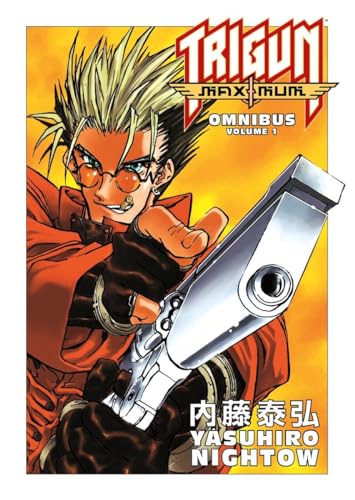
For those who have finished the 1998 anime, the consensus starting point for the manga is Trigun Maximum, Volume 1, Chapter 1. This is the most practical entry point because it picks up right where the main story begins its massive departure from the anime. From this chapter forward, the plot, character arcs, and the scale of the conflict expand dramatically.
By starting here, you avoid re-reading the early events that the anime adapted (albeit with some changes). You dive directly into the main, long-term plot involving Knives Millions, the expanding roster of the Gung-Ho Guns, and the deeper secrets of Vash’s past. This is where you will find the true continuation and conclusion of the story.
What is the “Purist” Starting Point for a Complete Story?
For a complete and unabridged experience, it is highly recommended to start from Trigun Volume 1, Chapter 1. While the early anime episodes are broadly similar to the first two Trigun manga volumes, there are subtle but important differences that add crucial context to the events of Trigun Maximum. Choosing this “purist” path ensures you don’t miss any of Yasuhiro Nightow’s original foreshadowing and character work.
Key differences you will notice by reading from the beginning include:
* Character Introductions: Nicholas D. Wolfwood’s introduction, personality, and motivations are presented differently in the manga, establishing his internal conflicts more clearly from the start.
* Foreshadowing: Key plot points related to Knives, Legato Bluesummers, and the true purpose of the Gung-Ho Guns are seeded much earlier and more deliberately in the manga.
* Tonal Consistency: The manga maintains a slightly darker, more serious undertone even in its early, more comedic chapters, setting the stage for the mature themes of Trigun Maximum.
Why Are There Two Trigun Manga Series (Trigun & Trigun Maximum)?
The Trigun manga’s name changed to Trigun Maximum because its original monthly magazine, Shōnen Captain, was canceled in 1997. This business decision forced creator Yasuhiro Nightow to abruptly end the series. However, due to his passion for the story and strong fan support, he searched for a new publisher to continue his work.
He found a new home with the publisher Shōnen Gahōsha, who began serializing the continuation in their Young King OURs magazine. To mark the transition and the move from a shonen (young boys) magazine to a seinen (young adult men) magazine, the series was relaunched with the new title Trigun Maximum. This was not a reboot; it was a direct continuation picking up exactly where the original series left off.
Here is a simple timeline of the publication history:
1. 1995: Trigun begins serialization in the magazine Shōnen Captain.
2. 1997: The magazine Shōnen Captain is abruptly canceled, forcing the manga to end prematurely.
3. 1997: Nightow secures a new deal, and Trigun Maximum begins in the magazine Young King OURs, continuing the story.
4. 2007: Trigun Maximum concludes, finishing the entire 16-volume saga.
How Different is the 1998 Anime From the Canon Manga?
The 1998 Trigun anime differs from the manga significantly in its second half, featuring an original ending, streamlined character arcs, and a lighter tone. The manga has a much longer, more complex plot involving dozens of additional characters, a deeper exploration of Vash’s past, and a significantly darker, more violent narrative. While the anime is a beloved classic, it only represents a fraction of the full story.
The core differences can be broken down into three main categories.
Plot and Ending
The single biggest difference is the plot. The anime’s 26 episodes cover the first few arcs and then create a condensed, original finale. The manga’s story, spanning 16 total volumes, is at least twice as long. It features massive, multi-volume arcs like the “Ark” arc and a detailed exploration of the “SEEDS project,” concepts that are either absent or barely touched upon in the anime. The manga’s conclusion is a definitive, large-scale final battle with a concrete resolution for all surviving characters.
Characters
While the main cast is present in both, the manga develops them far more deeply and introduces many more key players.
* The Gung-Ho Guns: The anime features a small, core group. The manga introduces over a dozen members, each with unique abilities, disturbing backstories, and significant story arcs that challenge Vash both physically and philosophically.
* Nicholas D. Wolfwood: His backstory, internal conflict regarding his role at the orphanage, and his ultimate fate are significantly more detailed, tragic, and impactful in the manga.
* Knives Millions: The anime portrays him as a more straightforward antagonist. The manga dedicates immense time to exploring his complex philosophy, his tragic past, and the profound reasons behind his hatred for humanity.
Tone and Themes
The move to a seinen magazine for Trigun Maximum allowed for a much darker and more mature tone. The manga is significantly more graphic and explores complex philosophical questions with greater depth. Vash’s pacifist philosophy is pushed to its absolute breaking point in ways the anime only hints at. The series delves into themes of religion, morality, and the psychological cost of trauma with a nuance that the more action-oriented anime streamlines.
| Aspect | 1998 Anime Adaptation | Canon Manga (Trigun & Maximum) |
|---|---|---|
| Main Antagonist | Knives’ motivations are simplified. | Knives’ philosophy and backstory are deeply explored over 14 volumes. |
| Gung-Ho Guns | A small, core group is featured. | Over 12 members are introduced, each with unique abilities and arcs. |
| Wolfwood’s Arc | His backstory is condensed and his ending is altered. | His motivations, internal conflict, and death are significantly more detailed and impactful. |
| The Ending | Concludes with a simplified, open-ended confrontation. | Features a massive, definitive final battle with a concrete conclusion for all characters. |
FAQs About where does the trigun anime leave off in the manga
How does Trigun Stampede relate to the manga?
Trigun Stampede is a modern reboot that reimagines the manga’s story from the beginning. It is not a sequel to the 1998 anime. While it follows the core manga plot points more closely than the original anime in some areas, it also makes significant changes to character designs, events, and the overall timeline.
Is the Trigun manga finished?
Yes, the entire Trigun manga series is complete. The story concluded with the final chapter of Trigun Maximum (Chapter 102), which was published in 2007. There are a total of 16 volumes in the complete story (2 for Trigun and 14 for Trigun Maximum).
Is the manga more violent than the 1998 anime?
Yes, the manga is significantly more graphic and violent than the 1998 anime. As a seinen series, Trigun Maximum explores darker themes and features more explicit depictions of violence and its consequences, particularly in the backstories of characters like Wolfwood and the actions of the Gung-Ho Guns.
Are Milly and Meryl in Trigun Stampede?
Meryl Stryfe is a main character in Trigun Stampede, but Milly Thompson is not. Milly’s role from the original manga and 1998 anime is partially filled by a new character named Roberto de Niro. This is one of the most significant changes Trigun Stampede made from the source material.
Where can I read the Trigun manga officially?
The official English translation of the Trigun and Trigun Maximum manga is published by Dark Horse Comics. You can purchase the physical omnibus volumes from bookstores and online retailers. Digital versions are also available for purchase on platforms like the Dark Horse Digital store.
Is Legato Bluesummers different in the manga?
Yes, Legato’s role in the manga is far more extensive and sinister. While he is a key antagonist in the anime, the manga version of Legato has a deeper connection to Knives, more terrifying psychic abilities, and is responsible for orchestrating many more of the tragic events that Vash faces throughout the Trigun Maximum series.
How does the Trigun manga end?
The Trigun manga ends with a definitive and large-scale final confrontation between Vash and Knives. Unlike the anime’s more ambiguous ending, the manga provides a conclusive end to their lifelong conflict and gives clear resolutions for the surviving main characters, fully exploring the consequences of Vash’s philosophy.
Are there more Gung-Ho Guns in the manga?
Yes, the manga features over a dozen members of the Gung-Ho Guns, far more than the handful shown in the 1998 anime. Many of these manga-exclusive members have unique designs, abilities, and story arcs that challenge Vash in ways not seen in the anime adaptation, adding significant length and complexity to the plot.
Can I just skip the first two Trigun volumes?
While you can start with Trigun Maximum to continue the main plot, it is not recommended to skip the original Trigun volumes. The first two volumes establish key character relationships and foreshadowing that differ from the anime. Reading them provides the complete, intended context for the events of Trigun Maximum.
Why is Trigun Stampede a CGI anime?
Trigun Stampede was produced by Studio Orange, a Japanese animation studio renowned for its high-quality 3D CGI work. Their distinctive style, seen in series like Beastars and Land of the Lustrous, was chosen to offer a fresh, dynamic, and modern interpretation of Yasuhiro Nightow’s action-packed manga.
Key Takeaways: Trigun Anime to Manga Guide
- The Direct Starting Point: The 1998 anime fully diverges from the manga after the events in the original Trigun series. To continue the canon story, you must begin reading at Trigun Maximum Volume 1, Chapter 1.
Two Series, One Story: The manga is split into Trigun (2 volumes) and Trigun Maximum (14 volumes) only because the original publisher went defunct. Maximum is the direct, canonical continuation of the story.
Significant Story Differences: The manga contains a much longer and darker plot, featuring numerous exclusive characters (especially the Gung-Ho Guns), deeper backstories, and a completely different, conclusive ending compared to the anime’s original finale.
Reading From The Start is Recommended: For the “purist” experience, starting from Trigun Volume 1 is advised, as the anime altered character introductions and omitted important foreshadowing even in the early arcs.
Trigun Stampede is a Reboot: The 2026 CGI series Trigun Stampede is a complete re-imagining of the manga. It is not a sequel or remake of the 1998 anime and follows its own unique version of the story.
The Manga is Complete: The entire saga, created by Yasuhiro Nightow, is finished and has been fully collected by Dark Horse Comics in English, providing a definitive beginning, middle, and end to the story of Vash the Stampede.
Final Thoughts on Continuing the Trigun Saga
Navigating the world of Trigun adaptations can feel complex, but the path to the complete story is clear. Transitioning from the beloved 1998 anime to the manga opens up a vastly larger and more profound narrative. By starting with Trigun Maximum, you are not just getting more content; you are experiencing the story as Yasuhiro Nightow always intended it to be told. The manga offers a richer, darker, and ultimately more rewarding journey that explores the depths of its characters and the weight of its philosophical questions.
Whether you choose the direct path starting with Maximum or the purist route from the very beginning of Trigun, you are stepping into the definitive version of the $$60,000,000,000 Man’s legend. The anime was a fantastic introduction, but the complete, unabridged saga awaits you in the pages of the manga.
Last update on 2026-02-26 / Affiliate links / Images from Amazon Product Advertising API


