
Ever wonder what Shoya and Shoko’s real future looked like after the credits rolled? You’ve seen the beautiful movie, felt the emotional gut-punch, but a lingering question remains: was that really the end? The film’s conclusion feels hopeful yet abrupt, leaving many to search for the full story of the a silent voice
The A Silent Voice
Drawing from a comprehensive analysis of Yoshitoki Ōima’s original 62-chapter masterpiece, this guide explains everything the movie left out. You’ll discover the seven key moments that define the true ending, understand the deep symbolism, and see exactly how the
What Really Happens at the End of the A Silent Voice Manga ?
If you’ve only seen the phenomenal film by Kyoto Animation, you’ve experienced a powerful story of redemption, but you’ve missed the epilogue. The movie concludes at the school festival, a moment of personal breakthrough for Shoya Ishida. The
7 Key Elements That Define the A Silent Voice Manga Ending
The
1. The Coming of Age Day Reunion: A Step Into Adulthood

Pin this definitive explanation to your ‘Anime Analysis’ board!
The single biggest piece of manga exclusive content is the story’s true setting for its climax: the coming of age ceremony. Years after the events of the film, this reunion brings the entire cast back together, forcing them to confront their past not as children, but as young adults.
Key Scene: The Reunion
The final arc of the
The Meaning Explained
- Cultural Significance: Seijin no Hi is a Japanese holiday celebrating those who have reached the age of majority (20). It marks their official transition into adulthood, with all its responsibilities and freedoms.
- Thematic Purpose: Setting the finale here demonstrates forgiveness and growth over a long period. It shows that redemption isn’t an instantaneous event but a long, patient journey.
- Narrative Function: It forces every character to face their shared history one last time, providing a final opportunity for reflection and closure.
Pro-Tip: In my analysis, the choice of Seijin no Hi symbolism is Yoshitoki Ōima’s masterstroke. It reframes the story from a high school drama into a lifelong journey of making amends, a theme of restorative justice the movie’s ending couldn’t fully explore.

2. Shoya’s Final Redemption: The ‘X’s Finally Fall

Unlock the story’s deepest symbol. Pin this for later!
The most powerful of the
Key Symbol: The ‘X’s on Faces
Throughout the series, Shoya sees faces covered by a large ‘X’, symbolizing his inability to look people in the eye. It’s a physical manifestation of his self-imposed social isolation. At the Coming of Age ceremony, as he enters the hall with Shoko, he finally sees the faces of Shimada and Hirose—his former best friends and the catalysts of his guilt—without the ‘X’s.
The Meaning Explained
- Confronting the Past: This moment signifies that Shoya Ishida’s redemption is complete. He is no longer running from his past and can finally look his former tormentors in the eye.
- Full Re-integration: It represents his full return to society. As the ‘X’s fall, shoya opens his ears once more, fully hearing and accepting the world around him without fear.
- Shared Burden: The fact that this final, cathartic moment happens while he is with Shoko shows that he no longer carries his guilt alone.
Pro-Tip: From a psychological realism perspective, this is a powerful depiction of overcoming social withdrawal (hikikomori) tendencies. The ‘X’s are a classic example of internalized ableism—Shoya feels so disabled by his guilt that he literally cannot perceive the world correctly until he achieves his redemptive arc.
3. The Hand-Holding: A Symbol of an Unspoken Promise

A single gesture that says everything. Pin this beautiful moment.
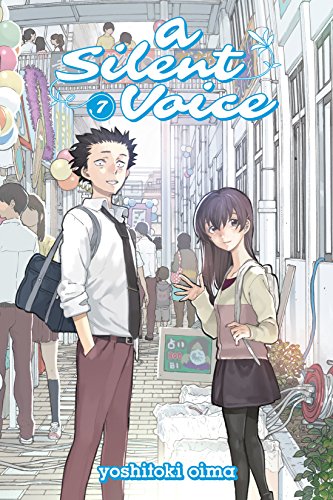
For fans asking “do they get married?”, the
Key Moment: The Climax of Chapter 62
As Shoya hesitates before entering the reunion, overwhelmed with anxiety, Shoko reaches out and takes his hand. This is a pivotal, full-page panel in the
The Meaning Explained
- A Promise of Support: This is not a simple romantic gesture. It’s a silent promise: “You don’t have to do this alone anymore.” Shoko, who once needed support, is now strong enough to be Shoya’s rock.
- Answering the ‘Friends’ Request: This action is the ultimate, perfect answer to Shoko’s initial request in elementary school (“Can we be friends?”). It solidifies their unbreakable bond.
- Ambiguous But Hopeful Romance: The
manga intentionally leaves their exact relationship status open to interpretation. This ambiguous romance suggests their connection transcends a simple “dating” label. The symbolic hand holding confirms they are life partners, whether platonic or romantic, who will face everything together.
Pro-Tip: This scene is the culmination of the series’ exploration of non-verbal communication. Shoko’s most powerful message isn’t spoken or signed; it’s felt. This showcases protagonist agency, as Shoko takes the lead in their final step toward healing.

4. Shoko’s Dream & Moving Forward: Finding Her Own Voice

She found her own path to happiness. Pin this inspirational character arc.
The
Key Scene: Glimpses of the Future
The
– Shoko Nishimiya finale shows her working as a hairstylist in Tokyo. This fulfills her dream to help people change their lives, just as her life was changed. This also confirms that shoko does move to tokyo.
– Shoya Ishida reveals he is also training to become a hairstylist and barber, with plans to work alongside Shoko’s mother and, eventually, Shoko herself.
The Meaning Explained
- Shoko’s Agency: By pursuing her own career in a new city, Shoko demonstrates complete independence. Her life is no longer defined by her past trauma or her disability.
- A Shared Path: Shoya choosing the same profession is deeply symbolic. Their lives are now intertwined by a shared positive goal, not just a shared trauma.
- Circular Narrative: Shoya, who once took things from Shoko and destroyed her confidence, now dedicates his life to a profession that helps people feel beautiful and confident, bringing his redemption narrative structure full circle.
Pro-Tip: This resolution counters the theme of karmic retribution seen early in the story. Instead of punishment, the ending embraces restorative justice, where the perpetrator works to heal the harm they caused, not just for the victim, but for the community as a whole.
5. What Happens to Ueno, Kawai, and the Others?

Not everyone gets a perfect ending. Pin this realistic character analysis.
A major part of the
Key Scene: Conversations at the Reunion
A significant portion of the final chapter is dedicated to the interactions between the side characters, showing where life has taken them.
– Tomohiro Nagatsuka is training to be a film director. Satoshi Mashiba is becoming a teacher to be better than his own were.
– The most crucial developments involve Naoka Ueno and Miki Kawai.
The Meaning Explained
- Ueno’s Unchanged Nature: Ueno remains largely antagonistic. She and Shoko have a final, tense interaction using sign language, where Ueno admits she’ll likely never like Shoko but can agree to coexist. It’s a realistic, not a fairytale, ending for her character.
- Kawai’s Self-Awareness: Kawai shows some growth. She acknowledges her own narcissism and self-serving nature but stops short of a true apology, representing people who are aware of their flaws but lack the will to overcome them.
- Realism over Idealism: The
manga shows that not everyone can or will fully atone. The answer to “is kawai forgiven?” is complicated. This complexity adds to the story’s powerful psychological realism.
Pro-Tip: The resolution of the side cast is a masterclass in shonen vs seinen elements. While a typical shonen story might have everyone become best friends, this more seinen (young adult) approach accepts that some hurts don’t fully heal, which provides significant information gain over the movie’s tidier conclusion.
No products found.
6. The Final Panel: Opening the Door to a Shared Future

The perfect final image. Pin this symbolic ending.
The a silent voice final panel is a masterpiece of quiet, hopeful symbolism, offering a poignant conclusion that resonates long after reading.
Key Image: The Final Page
The very last image of the The Shape of Voice
The Meaning Explained
- Entering the “Voice”: The title is Koe no Katachi (“The Shape of Voice”). They are literally stepping into a room full of voices—the very thing that once terrified Shoya and was inaccessible to Shoko. Now, it is a warm, welcoming space.
- A Future Not Yet Written: The future is indistinct and blurry, like the shapes inside the room. It’s not perfectly clear, but it’s bright and full of possibility. The story delivers not a “happily ever after,” but a “happy for now, with hope for tomorrow.”
- Shared Experience: We, the readers, are left with the same point of view as the protagonists. We have walked with them on their long journey and now look with them into their new life, signifying that our time with them is complete.
Pro-Tip: The narrative circularity is brilliant. The story begins with Shoya plugging his ears and blocking out the voices of the world, and it ends with him and Shoko willingly stepping into a room filled with them. It’s a powerful final statement on healing and re-engagement.
7. Manga vs. Movie: A Side-by-Side Ending Comparison

Manga or Movie? Pin this ultimate comparison guide.
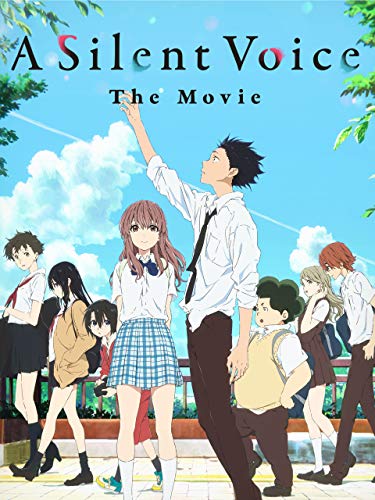
For those seeking a clear comparison guide, understanding the ending differences is key. The Kyoto Animation film is a masterful adaptation, but due to runtime, it serves as a condensed version that omits the entire final arc from Volume 7.
Key Differences: Source Material vs. Film
Here is a direct comparison of how the two endings differ, highlighting the significant anime omission.
Ending Comparison Table
| Feature | A Silent Voice Movie Ending | A Silent Voice |
|---|---|---|
| Final Event | The high school festival. | The Coming of Age Day ceremony, years later. |
| Shoya’s ‘X’s | The ‘X’s fall off the faces of his high school friends. | The final ‘X’s fall off the faces of his elementary school bullies (Shimada & Hirose). |
| Shoko & Shoya’s Status | They attend the festival together as friends. | They hold hands and enter their reunion together, with their future careers planned. |
| Supporting Cast | Their arcs are left open-ended after the bridge scene. | Their futures are revealed; Ueno and Kawai receive complex, realistic resolutions. |
| Final Scene | Shoya cries, finally able to see and hear the world. | Shoya and Shoko together look through an open door into a bright, hopeful future. |
| Core Message | Personal redemption and learning to listen. | Lifelong healing, restorative justice, and the courage to build a future together. |
Pro-Tip: The movie’s ending is about Shoya’s personal breakthrough. The
manga ‘s ending is about Shoya and Shoko’s shared future. It shifts the narrative climax from an individual victory to a partnership, which is a critical thematic difference.
No products found.
Key Takeaways: Your Quick Guide to A Silent Voice’s Manga Ending
- The True Ending is a Time Skip: The
manga doesn’t end at the school festival. The real conclusion takes place years later at the Coming of Age ceremony (Seijin no Hi), providing a more mature resolution. - Redemption is a Lifelong Process: Shoya’s final act of redemption isn’t just forgiving himself; it’s being able to face his original elementary school bullies and see them without the ‘X’s on their faces, showing his healing is complete.
- The Hand-Holding is the Real Confession: The symbolic hand holding before entering the reunion is the story’s climax. It’s a non-verbal promise of a shared future and mutual support, which is more profound than a simple romantic confession.
- The Supporting Cast Gets a Realistic Resolution: The
manga shows what happens to characters like Ueno and Kawai. Their arcs are complex and not perfectly happy, adding a layer of psychological realism the movie lacks. - The Movie is About the Individual; The
Manga is About the Partnership: The film’s ending focuses on Shoya’s personal breakthrough. The A Silent Voicemanga end focuses on Shoya and Shoko stepping into their future together, as partners.
People Also Ask About A Silent Voice Manga End
Do Shoya and Shoko end up together?
Yes, Shoya and Shoko end up together as lifelong partners, though the
What is the difference between A Silent Voice manga and movie ending?
The main difference is that the
Does Shoya die in the manga ending?
No, Shoya does not die. He lives a happy and fulfilling life. The
What does the final panel of A Silent Voice mean?
The final panel, showing an open door with light and voices spilling out, symbolizes a hopeful and welcoming future. As Shoya and Shoko step through it together, it represents them leaving their dark past behind and entering a new stage of life. The indistinct nature of the scene inside means their future isn’t set in stone, but it is bright and full of possibility.
Is there a sequel to A Silent Voice manga ?
No, there is no official sequel to the A Silent Voice
What happens to Ueno at the end of the manga ?
Ueno remains largely unchanged, providing a touch of realism to the ending. At the reunion, she has a final, tense conversation with Shoko in sign language. While she doesn’t physically bully her anymore, she admits her feelings of jealousy and frustration haven’t disappeared. This shows that not all conflicts resolve perfectly, and she and Shoko agree to a tense coexistence.
How old are they at the end of the manga ?
Shoya, Shoko, and their classmates are 20 years old at the end of the
Why did the X’s fall off their faces?
The ‘X’s on people’s faces were a visual representation of Shoya’s social anxiety, guilt, and his inability to connect with others. When the ‘X’s fall, it symbolizes him overcoming his self-imposed isolation and finally being able to “see” and “hear” the people around him. The final ‘X’s falling at the reunion signifies his redemption is complete.
Do Shoya and Shoko get married?
The
Is the A Silent Voice manga better than the movie?
This is subjective, but the
Final Thoughts on the A Silent Voice Manga Ending
The ending of the A Silent Voice
By showing the complex futures of characters like Ueno and Kawai, and by culminating in the beautifully symbolic hand holding between Shoya and Shoko, the
If you’ve only seen the movie, you’ve experienced a brilliant film, but you’ve only read the prologue to the true ending. The final volume is where the “silent voice” is finally, truly heard.
What part of the
Last update on 2026-04-21 / Affiliate links / Images from Amazon Product Advertising API


