
Finished the anime and wondering where the story of Itsuki Hashima and his chaotic crew goes next? You’ve likely stumbled upon the a sisters all you need manga and now face the classic fan dilemma: is this the right place to continue? The confusion between the different versions can stop you before you even start.
The ‘A Sister’s All You Need’ manga is an adaptation of the original light novel series and does not tell the complete story; the light novel is the source material and the only format where the narrative is finished. The manga adaptation was discontinued before it could adapt all 14 light novel volumes, making it a fun but incomplete journey.
Drawing from a comprehensive analysis of the franchise’s publication history, this guide will provide the definitive answer to your reading questions. We will break down the crucial differences between the manga and the light novel, show you exactly where to start reading after the anime, and help you choose the best format for your journey. Get ready to become an expert on the entire Imouto sae Ireba Ii. universe.
What’s the Real Story with the A Sister’s All You Need Manga?
The primary source of confusion for fans of A Sister’s All You Need stems from the existence of three different forms of media: the original light novels, the manga adaptation, and the anime series. Many fans finish the excellent 2017 anime by Silver Link and naturally look for the manga to continue the story, which is a common path in the anime-to-manga pipeline. However, in this specific case, that path leads to a dead end. Understanding the relationship between these formats, especially the a sister’s all you need light novel and the manga, is the key to avoiding frustration and experiencing the story as author Yomi Hirasaka intended. This section will clarify the core problem and set you on the right path.
Your Ultimate Reading Guide: 7 Key Things to Know About the Manga & LN
To make an informed decision and dive back into the world of sis-con novelist Itsuki Hashima and genius author Nayuta Kani, you need a clear, actionable guide. The differences between the a sisters all you need manga and the light novel go beyond just pictures versus text; they involve story completion, art style, pacing, and overall content fidelity. This list will break down the seven most critical things every fan must know, systematically answering the biggest questions about the series. From the source material hierarchy to the official English editions by Yen Press, this is your ultimate resource for navigating the franchise.
1. Source vs. Adaptation: The Most Critical Difference

Pin this simple guide to your ‘Manga & LN’ board to remember the difference!
What You Need to Know
- Light Novel (LN): The original source material. It is a series of 14 novels that tells the complete story from beginning to end. This is where the plot, characters, and world were first created.
- Manga: An adaptation of the light novel. It is a graphic novel that visually retells the story from the light novels but does not cover the entire narrative.
Why It’s Essential
- The Light Novel is the complete canon. If you want the full, unabridged story as the author intended, including the official ending, the light novel is your only option.
- The Manga is a visual summary. Think of the manga as a “greatest hits” version. It’s great for seeing key moments illustrated but is not a substitute for the full story.
- Understanding this distinction is the first step to avoiding disappointment and choosing the right reading path for you.
Pro-Tip: In the world of anime and manga, always check for a light novel source. Often, as is the case here, it contains far more detail, inner monologues, and world-building that gets cut for pacing in adaptations, a key example of manga adaptation fidelity challenges.

2. The Art: Kantoku’s Original Charm vs. Idu’s Manga Style

Love character art? Pin this comparison to your ‘Art & Illustration’ board!
What You Need to See
- Kantoku (Light Novel): The original character designer. Known for vibrant colors, soft lighting, and incredibly detailed and expressive character illustrations that define the series’ aesthetic.
- Idu (Manga): The manga artist. Tasked with adapting Kantoku’s designs into a black-and-white manga format, focusing on paneling, flow, and dynamic action.
Why It Matters
- Visual Identity: Kantoku’s art is a huge part of the franchise’s appeal and is considered the “definitive” look for the characters.
- Storytelling Medium: Idu’s work is focused on sequential storytelling. While the designs are based on Kantoku’s, the style is optimized for the pacing and readability of a manga.
- Collector’s Appeal: Many fans collect the light novels specifically for Kantoku’s full-color insert pages and cover art, which are not present in the manga.
Lesson Learned: Don’t judge the entire franchise by a single panel from the manga. The light novel offers a different, often more detailed, visual experience through Kantoku’s full-color illustrations.
3. The Story’s End: Does the A Sister’s All You Need Manga Finish?

Get the facts! Pin this to your ‘Manga News’ board to keep track of series statuses.
The Status You Need
- Manga Status: Finished/Discontinued. The manga, known as Imouto sae Ireba Ii. @comic, ended its serialization in July 2019.
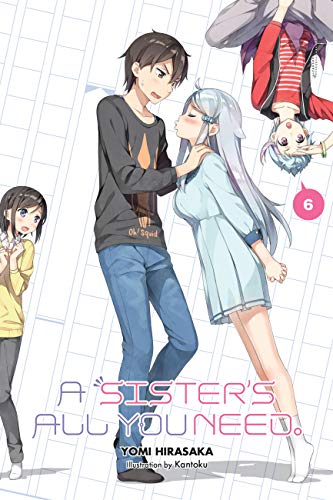
- Light Novel Status: Finished. The original light novel series concluded with its 14th volume in February 2020.
Why This Is Crucial
- Incomplete Narrative: The manga stops abruptly, leaving major plotlines and character arcs unresolved. It adapts roughly the first four light novels.
- No Full Story: Reading only the manga means you will miss the entire second half of the story, including the final resolution for Itsuki Hashima, Nayuta Kani, and the truth about Chihiro Hashima.
- Investment Warning: If your goal is to experience the complete story from start to finish, starting the manga with the expectation of a conclusion will lead to disappointment. The light novel is the only path to the true ending.
Pro-Tip: When a manga is an
adaptation, its lifespan is often tied to the sales of its volumes and the light novel it’s promoting. A premature ending, like this one, is a common occurrence in the industry.
No products found.
4. Just Finished the Anime? Here’s Exactly Where to Start Reading

Your post-anime guide is here! Pin this for your next reading binge.
Where You Need to Start
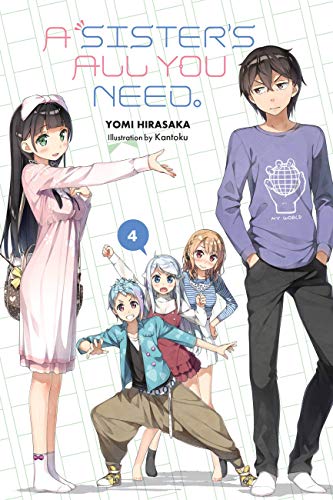
- Light Novel (Recommended Path): Start with Light Novel Volume 4. The anime adapts events in a non-linear order, but Volume 4 is the correct place to begin to ensure you don’t miss crucial plot points moving forward.
- Manga (Not Recommended): You can technically start at Chapter 35. However, since the manga was discontinued shortly after this point, you will only get a few more chapters of story before it ends abruptly.
Why This Choice Is Important
- Continue the Real Story: Starting at LN Volume 4 puts you on the path to the complete, 14-volume story.
- Avoid a Dead End: Starting the manga at Chapter 35 will lead you to another cliffhanger very quickly, as the manga itself is a dead end.
- Anime’s Skipped Content: The anime jumps around a bit. Starting at the beginning of Volume 4 ensures you catch details and side stories that were skipped in the anime adaptation.
Pro-Tip: While starting from Volume 1 of the light novel is the ultimate purist’s choice, jumping in at Volume 4 is a safe and effective way to continue the story post-anime without feeling lost. The anime did a decent job, so you won’t be missing massive, world-altering events.
5. Content & Pacing: How the Stories Differ

Manga vs. Novel: Understand the flow. Pin this to your ‘Book Club’ board!
What You Get
- Light Novel Experience: Deep dives into characters’ internal thoughts, detailed explanations of the board games they play, and lengthy satirical commentary on the light novel industry itself. The pacing is more deliberate.
- Manga Experience: A faster, more visually-driven experience. Gags and comedic moments are prioritized. Character development and exposition are often condensed to fit the format.
Why You Should Care
- Character Depth: You get significantly more insight into why characters act the way they do in the light novel. Itsuki Hashima’s “sister obsession” is explored with more nuance.
- World-Building: The satirical look at being a creator is much sharper and more detailed in the light novel’s text.
- Pacing Preference: If you prefer a quick, funny read with great visuals, the manga is a good choice. If you want a richer, more detailed story to immerse yourself in, the light novel is superior.
Lesson Learned: The manga shows you what happens. The light novel tells you why it happens and what everyone was thinking while it happened. This character archetype deconstruction is the primary strength of the source material.
No products found.
6. The Official English Editions: Your Yen Press Guide

Build your collection! Pin this guide to your ‘Manga & LN Wishlist’.
What You Need to Buy
- Official Publisher: Yen Press is the official North American publisher for both the light novels (under their Yen On imprint) and the manga adaptation.
- Availability: All 14 light novel volumes and all 9 manga volumes have been officially translated and released in English.
How to Collect the Series
- Choose Your Format: Decide if you want the complete story (Light Novel) or the partial adaptation (Manga).
- Find a Retailer: Purchase from official retailers like Amazon, Barnes & Noble, or Right Stuf Anime to support the creators.
- Digital or Physical: Both the manga and light novels are available in physical paperback and digital e-book formats for Kindle, Kobo, etc.
- Volume List: The light novel series runs from Volume 1 to 14. The manga series runs from Volume 1 to 9.
Pro-Tip: When searching online, use the ISBN for the specific volume you want. This is the most accurate way to ensure you’re buying the correct official Yen Press edition and not a third-party knockoff. The Fandom Wiki is a great verified source for these numbers.
7. The Final Verdict: Which One Should YOU Read?

Made your choice? Pin your decision and let your friends know what you’re reading next!
Your Reading Profile
- For the Story Purist / Anime Fan Wanting More: Read the Light Novel. This is not up for debate. It’s the complete, definitive story. Start at Volume 1 for the full experience or Volume 4 if you’re coming straight from the anime.
- For the Casual Reader / Visual Fan: Read the Manga. If you just want a quick, funny, visual experience and don’t mind an incomplete story, the manga is a fun, fast read. It’s also a great way to see if you like the characters before committing to the novels.
- For the Ultimate Collector: Get both. Enjoy the manga for its visual gags and pacing, and use the light novels for the deep story and Kantoku’s beautiful color artwork.
The Bottom Line
- To finish the story, you MUST read the light novel.
- The manga is a fun side dish, but the light novel is the main course.
- There is no wrong choice for enjoyment, but there is only one choice for completion.
Pro-Tip: My personal recommendation from years of manga versus light novel debates: Start with Light Novel Volume 1. The anime was great, but the details and character nuances you get from the very beginning of the source material are invaluable and enrich the entire experience.
Key Takeaways
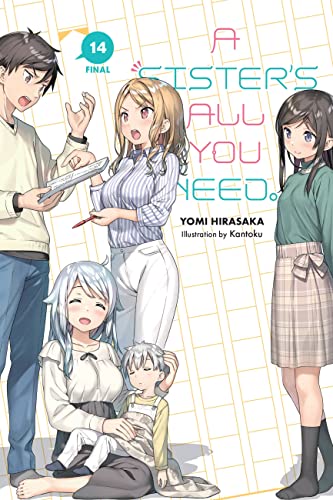
- The Light Novel is the Original, Complete Story: The a sister’s all you need light novel series is the source material, written by Yomi Hirasaka and consisting of 14 complete volumes.
The Manga is an Incomplete Adaptation: The manga adapts the first few novels but was discontinued in 2019 and does NOT finish the story. Reading only the manga will leave you on a cliffhanger.
To Continue After the Anime, Read the Light Novel: The anime ends around the content of Light Novel Volume 4. This is the recommended starting point to continue the story.
Different Artists, Different Styles: The light novels feature the iconic, colorful art of Kantoku, while the manga features the black-and-white sequential art of Idu.
Yen Press is the Official English Publisher: To support the creators, purchase the official English translations of the light novels and manga from Yen Press.
Completion is Only Possible with Novels: The only way to experience the full character arcs, the complete plot, and the true ending of the series is by reading the 14-volume light novel series.
FAQs About a sisters all you need manga
Is the A Sister’s All You Need manga finished?
Yes, the manga is finished, but it is not a complete story. The manga adaptation, titled Imouto sae Ireba Ii. @comic, ended its run in July 2019. It only adapts the early parts of the light novel series and was discontinued before the main story concluded, leaving readers on a cliffhanger.
Where does the anime end in the manga?
The anime ends around Chapter 35 of the manga. However, it is not recommended to continue with the manga from this point. The manga itself was discontinued shortly after this part of the story, at Chapter 48, so you will only get a very small amount of new content before it stops permanently.
Is the light novel better than the manga?
The light novel is considered better because it is the complete, original source material. While the manga offers fun visual gags, the light novel provides the entire 14-volume story, deeper character insights, and the true ending. The manga is an incomplete summary, while the light novel is the definitive experience.
How many volumes of A Sister’s All You Need manga are there?
There are a total of 9 volumes of the main manga series, Imouto sae Ireba Ii. @comic. All nine volumes have been officially translated and released in English by Yen Press. This is in contrast to the 14 volumes of the completed light novel series.
Does Itsuki find out about Chihiro?
Yes, Itsuki eventually finds out Chihiro’s secret in the light novel series. This is a major plot point that is resolved in the later volumes of the story. Because the manga adaptation is incomplete, this significant character arc is not covered within its pages.
Will there be a Season 2 of the A Sister’s All You Need anime?
There has been no official announcement for a Season 2. While the light novel has plenty of source material for another season, the anime was released in 2017. As more time passes, a sequel becomes less likely, which is why many fans turn to the light novels to finish the story.
What is the Japanese name of A Sister’s All You Need?
The Japanese name is Imouto sae Ireba Ii. (妹さえいればいい。). The manga adaptation is often referred to by its specific title, Imouto sae Ireba Ii. @comic, to distinguish it from the light novels and the overall franchise.
Who wrote A Sister’s All You Need?
The original story was written by Yomi Hirasaka. He is the author of the light novel series. The light novel illustrations were done by Kantoku, and the separate manga adaptation was drawn by the artist Idu.
Can I read A Sister’s All You Need manga for free?
You can read some chapters for free on official platforms to sample the series. However, to read the entire officially translated series and support the creators, you should purchase the volumes digitally or physically from licensed distributors like Yen Press.
Does Nayuta end up with Itsuki?
Yes, in the light novel, Nayuta and Itsuki do end up together. Their relationship is a central focus of the story and reaches its full conclusion in the 14-volume light novel series. This resolution is one of the key moments you will miss if you only read the incomplete manga.
Final Thoughts
Navigating the world of A Sister’s All You Need can feel as complex as one of Itsuki’s board games, especially with a manga, an anime, and a light novel series all vying for your attention. The key takeaway is simple: the light novel is the original, complete, and definitive version of the story. While the manga provides a fun, visual-first glimpse into the world, it’s a journey without a destination.
For fans who have finished the anime and are craving a conclusion, or for new readers who want the full, unfiltered story of Itsuki Hashima and his eccentric circle of creators, the path forward is clear. The 14-volume light novel series is not just a continuation; it’s the heart of the entire franchise, filled with the depth, humor, and character development that adaptations can only hint at.
You now have a complete map to the series. You know the differences, you know where to start, and you know which path leads to the story’s true end.
What’s your favorite moment from the series, whether it’s from the anime, manga, or light novels? Let us know in the comments below.
Last update on 2026-04-12 / Affiliate links / Images from Amazon Product Advertising API


