
Curious about the story behind the provocative title, Do Women Have an Expiration Date? You’re likely wondering if this manga tackles the real-world pressures and anxieties that many women face regarding age and value. It’s a topic that resonates deeply, and this story confronts it head-on.
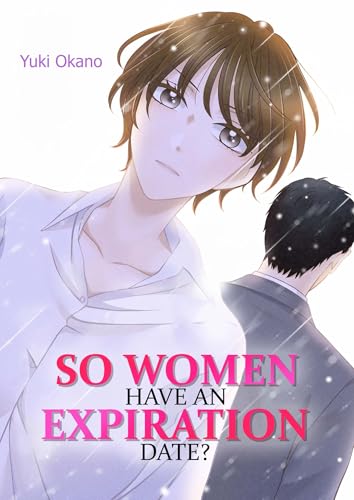
The manga “So Women Have an Expiration Date?” by Yuki Okano is a Josei drama that follows Masumi, a 30-year-old woman who confronts societal pressures and ageism after her husband tells her she is past her prime. This emotional story explores her journey of self-discovery, empowerment, and reclaiming her identity outside of her marriage.
Based on an analysis of reader reviews on platforms like MangaPlaza, this manga strikes a powerful chord. This deep dive will explore the core themes, character journeys, and cultural impact that make this story a must-read. You’ll discover exactly how the narrative deconstructs the damaging idea of a woman’s “expiration date.”
Key Facts
- Primary Genre: The manga is classified as a Josei drama, a genre specifically written for and aimed at an adult female audience, known for its realism.
- Core Conflict: The story is triggered when the protagonist’s husband cruelly states, “You’re already 30 years old! Women are only appealing when they’re still young!”
- Central Theme: The narrative’s primary focus is a direct critique of ageism and the societal beauty standards imposed upon women.
- Author’s Focus: The author, Yuki Okano, is known for writing stories that explore the real-world emotional challenges faced by modern women.
- Reader Reception: According to reviews, the manga is praised for its emotional depth and empowering message, with readers describing it as “thought-provoking” and “heart-warming.”
What Is the ‘Do Women Have an Expiration Date’ Manga About?
The manga “So Women Have an Expiration Date?” tells the story of Masumi, a 30-year-old wife whose husband cruelly suggests she has an ‘expiration date’ on her appeal. Authored by Yuki Okano, this emotional Josei series delves into themes of ageism, self-worth, and marital strife, following Masumi’s journey to reclaim her identity. The story begins on a crushing note, with the protagonist, Masumi, being told by her husband, Shinichiro, that her value has diminished simply because she has reached the age of 30. This single, devastating comment becomes the catalyst for the entire narrative, sending Masumi into a spiral of self-doubt before she begins the arduous journey of finding her worth again.

This series is a prime example of the Josei genre, a category of manga aimed at adult women that explores realistic life situations and relationships with a maturity not always found in other demographics. Unlike stories for younger audiences, Josei manga doesn’t shy away from the complexities of adult life, including marital dissatisfaction, societal pressure, and the search for personal fulfillment. It provides a raw and honest look at the emotional labor women often perform and the silent battles they fight against external judgments. But what makes this story resonate so deeply with readers worldwide?
The narrative excels at capturing the internal monologue of a person whose confidence has been shattered. Readers follow Masumi as she navigates her feelings of anger, sadness, and confusion. Her story is not just about one man’s cruel words; it’s about a woman dismantling a lifetime of societal conditioning that equates youth with value. It’s a thought-provoking and often heart-warming look into personal growth and resilience.
What Are the 3 Core Themes Explored in ‘So Women Have an Expiration Date?’
The three core themes in “So Women Have an Expiration Date?” are societal ageism and its impact on women’s self-worth, the unrealistic beauty standards imposed on women, and the journey toward female empowerment and self-discovery outside of traditional roles. These themes are not just background noise; they are the very foundation of the story, explored through Masumi’s experiences and interactions. The manga serves as a powerful piece of social commentary, using a personal story to dissect these widespread societal issues.
How Does the Manga Tackle Ageism and Societal Beauty Standards?
The manga confronts ageism directly through dialogue, using the protagonist’s husband as a mouthpiece for toxic societal beliefs. The story’s inciting incident is a raw and unfiltered expression of this prejudice. It doesn’t just suggest ageism exists; it throws it in the reader’s face with undeniable cruelty.
“You’re already 30 years old! Women are only appealing when they’re still young!”
This line, spoken by Masumi’s husband Shinichiro, is the catalyst that forces her to confront the external and internalized belief that a woman’s value is finite and tied directly to her youth. The manga uses this deeply personal attack to explore a universal fear. It critiques a culture that celebrates youthful beauty while treating aging in women as a failure rather than a natural progression of life. Masumi’s journey is a direct rebellion against this idea as she learns to see her age not as an expiration date, but as an accumulation of experience and wisdom.
The Journey of Marital Strife and Communication
The manga delves deeply into the breakdown of a marital relationship, showcasing how a lack of empathy and respect can be more damaging than outright conflict. Shinichiro’s comment is not just a random insult; it’s a symptom of a much deeper problem within their marriage. The story meticulously explores the emotional distance between Masumi and her husband, revealing a relationship where one partner’s needs for validation and respect are completely ignored. It raises critical questions about what holds a marriage together and what happens when the foundational pillars of love and support crumble. Masumi’s struggle becomes a powerful exploration of whether a relationship can be salvaged after such a profound betrayal of trust.
Reclaiming Identity and Female Empowerment
Ultimately, the manga is a story of profound female empowerment, focusing on the journey of reclaiming one’s personal identity. After the initial shock, Masumi’s story transforms from one of victimhood to one of agency. She begins to ask herself a critical question: Who am I outside of my role as a wife? This introspective journey leads her to rediscover old passions, form new connections, and build a sense of self-worth that is entirely her own, independent of her husband’s approval or societal standards. This theme of self-discovery is what resonates most with readers, offering an empowering message that personal value is self-defined and timeless.
Who Are the Main Characters and What Do They Represent?
The main characters are Masumi, the 30-year-old protagonist, and her husband, Shinichiro. Masumi represents the woman internalizing societal ageism, and her journey is one of self-discovery. Shinichiro represents the external societal pressure and outdated views that women have an ‘expiration date’ on their value. Together, they form the central conflict of the narrative: the individual versus a toxic societal belief system.
Masumi: The Everywoman Protagonist
Masumi is crafted to be a highly relatable character. At the start of the story, she is a dedicated wife who has likely centered her life around her home and marriage. Her devastation at her husband’s words is not just about the insult itself; it’s about the shattering of her perceived reality and security. Her character arc is the heart of the manga, moving from a state of doubt and insecurity to a beacon of self-acceptance. She represents every woman who has ever been made to feel “less than” because of her age, appearance, or marital status. Her journey toward empowerment is quiet, internal, and incredibly powerful.
Shinichiro: The Voice of Societal Pressure
Shinichiro is less of a fully-developed character and more of a narrative device. He functions as the antagonist, but more specifically, he is the embodiment of the story’s central theme of ageism. His words are not just his own; they are a reflection of a deeply ingrained, misogynistic societal viewpoint. The manga uses him to show how these harmful ideas can exist even within the most intimate relationships. He is not necessarily portrayed as a cartoonish villain but as a product of a culture that devalues women as they age, making his character both frustrating and chillingly realistic.
Why Is This Manga Considered a Must-Read for Josei Fans?
This manga is considered a must-read because it powerfully captures the real-world anxieties many adult women face regarding age and societal expectations. Readers on platforms like MangaPlaza and TikTok praise its emotional depth, heart-warming moments, and its ultimate message of female empowerment, making it a standout title in the Josei genre. It validates feelings that are often dismissed or ignored by mainstream media.
The story’s popularity stems from its unflinching honesty. It doesn’t offer easy answers or a fairytale romance fix. Instead, it offers something far more valuable: validation. For many readers, Masumi’s journey is a reflection of their own struggles and aspirations. The high engagement and emotional reactions on social media platforms like TikTok are a testament to its relatability.
Here are the key reasons it stands out:
* Emotional Resonance: The manga excels at portraying the raw, complex emotions of feeling devalued, making the protagonist’s journey to empowerment incredibly impactful.
* Realistic Storytelling: As a Josei manga, it avoids clichés and instead focuses on the nuanced, often difficult realities of adult relationships and self-discovery.
* Empowering Message: The core takeaway is one of hope and agency. It champions the idea that self-worth is not determined by age, appearance, or a relationship status.
* Thought-Provoking Social Commentary: It encourages readers to think critically about the societal messages they consume and internalize about aging and beauty.
A sentiment frequently echoed in reader communities captures its impact perfectly.
“This manga will have you in tears, flabbergasted, and angry all in one. There are some heart warming scenes.”
This blend of righteous anger at injustice and touching moments of human connection is what makes “So Women Have an Expiration Date?” a truly essential read for fans of mature, meaningful storytelling.
Where Can You Officially Read ‘So Women Have an Expiration Date?’ Online in 2026?
You can officially read “So Women Have an Expiration Date?” online on several digital platforms, ensuring you get the official English translation while supporting the author, Yuki Okano. Choosing official sources is the best way to experience the manga with the highest quality artwork and most accurate translation. It also shows publishers that there is a strong demand for thoughtful Josei titles.
You can find the manga on the following platforms:
- MangaPlaza
- BOOK☆WALKER (Often has free previews available)
- Amazon Kindle
- Kobo
- Google Play Books
By purchasing or reading through these legitimate channels, you are directly contributing to the creator and the industry, paving the way for more manga like this to be translated and distributed globally.
FAQs About do women have an expiration date manga
What genre is ‘So Women Have an Expiration Date?’
This manga is classified as a Josei drama. This genre is specifically created for and marketed to an adult female audience. It is known for its realistic portrayal of relationships, life challenges, and social issues, distinguishing it from Shojo manga, which is aimed at a younger, teenage audience.
Who is the author, Yuki Okano?
Yuki Okano is the author and artist behind ‘So Women Have an in Expiration Date?’. While this work is her most prominent in international markets, she is known for writing stories that tap into the real-world emotional and societal challenges faced by modern women in Japan, making her a significant voice in the Josei genre.
Is there an anime adaptation of the manga?
As of 2026, there is no official anime adaptation of ‘So Women Have an Expiration Date?’. The story is currently only available in its original manga format. Fans interested in seeing an adaptation should support the official manga release to show demand.
What does the ending of ‘So Women Have an Expiration Date?’ mean?
The ending of the manga focuses on Masumi’s empowerment and self-acceptance. Without spoilers, the conclusion emphasizes her journey of realizing her self-worth is not tied to her husband’s approval or her age. It is a resolution focused on personal growth rather than solely on the marital relationship.
Are there other manga like ‘So Women Have an Expiration Date?’
Yes, several other Josei manga explore similar themes. Titles like “Princess Jellyfish” by Akiko Higashimura, which touches on themes of self-acceptance, and “Wave, Listen to Me!” by Hiroaki Samura, featuring a female protagonist navigating life and career, are often recommended for readers who enjoyed the realistic and empowering aspects of Yuki Okano’s work.
Final Thoughts
At its core, So Women Have an Expiration Date? is far more than a story with a shocking title; it’s a powerful and necessary piece of social commentary. It validates the frustrations of many women who feel judged by a clock they never asked for. The manga’s true strength lies in its quiet, determined rebellion against the idea that a woman’s value is a depreciating asset.
Here are the most important takeaways:
- A Direct Critique of Ageism: The manga’s core value lies in its direct confrontation of the societal belief that a woman’s worth is tied to her youth, using a realistic and emotional narrative.
- A Story of Female Empowerment: The protagonist Masumi’s journey from insecurity to self-acceptance serves as an empowering and relatable arc for many adult female readers.
- Masterful Josei Storytelling: As a prime example of the Josei genre, it skillfully blends realistic drama, romance, and insightful social commentary for a mature audience.
- More Than Just a Plot: Its significance comes from its deep exploration of themes—ageism, marital dynamics, and beauty standards—making it a thought-provoking piece of media.
- Read Officially to Show Support: The best way to experience the story and support the author, Yuki Okano, is through official platforms like MangaPlaza, Amazon, and Kobo.
By following Masumi’s journey, readers are not just entertained; they are invited to reflect on their own perceptions of worth, age, and identity. It’s a compelling reminder that the only expiration date that matters is the one we refuse to place on ourselves. This manga champions a timeless and vital message: self-worth is self-defined, not socially assigned.
Last update on 2026-03-26 / Affiliate links / Images from Amazon Product Advertising API


