
Curious about the story behind the provocative title, Do Women Have an Expiration Date? You’re likely wondering if this
The
Based on an analysis of reader reviews on platforms like MangaPlaza, this
Key Facts
- Primary Genre: The
manga is classified as a Josei drama, a genre specifically written for and aimed at an adult female audience, known for its realism.- Core Conflict: The story is triggered when the protagonist’s husband cruelly states, “You’re already 30 years old! Women are only appealing when they’re still young!”
- Central Theme: The narrative’s primary focus is a direct critique of ageism and the societal beauty standards imposed upon women.
- Author’s Focus: The author, Yuki Okano, is known for writing stories that explore the real-world emotional challenges faced by modern women.
- Reader Reception: According to reviews, the
manga is praised for its emotional depth and empowering message, with readers describing it as “thought-provoking” and “heart-warming.”
What Is the ‘Do Women Have an Expiration Date’ Manga About?
The

This series is a prime example of the Josei genre, a category of
The narrative excels at capturing the internal monologue of a person whose confidence has been shattered. Readers follow Masumi as she navigates her feelings of anger, sadness, and confusion. Her story is not just about one man’s cruel words; it’s about a woman dismantling a lifetime of societal conditioning that equates youth with value. It’s a thought-provoking and often heart-warming look into personal growth and resilience.
What Are the 3 Core Themes Explored in ‘So Women Have an Expiration Date?’
The three core themes in “So Women Have an Expiration Date?” are societal ageism and its impact on women’s self-worth, the unrealistic beauty standards imposed on women, and the journey toward female empowerment and self-discovery outside of traditional roles. These themes are not just background noise; they are the very foundation of the story, explored through Masumi’s experiences and interactions. The
How Does the Manga Tackle Ageism and Societal Beauty Standards?
The
“You’re already 30 years old! Women are only appealing when they’re still young!”
This line, spoken by Masumi’s husband Shinichiro, is the catalyst that forces her to confront the external and internalized belief that a woman’s value is finite and tied directly to her youth. The
The Journey of Marital Strife and Communication
The
Reclaiming Identity and Female Empowerment
Ultimately, the
Who Are the Main Characters and What Do They Represent?
The main characters are Masumi, the 30-year-old protagonist, and her husband, Shinichiro. Masumi represents the woman internalizing societal ageism, and her journey is one of self-discovery. Shinichiro represents the external societal pressure and outdated views that women have an ‘expiration date’ on their value. Together, they form the central conflict of the narrative: the individual versus a toxic societal belief system.
Masumi: The Everywoman Protagonist
Masumi is crafted to be a highly relatable character. At the start of the story, she is a dedicated wife who has likely centered her life around her home and marriage. Her devastation at her husband’s words is not just about the insult itself; it’s about the shattering of her perceived reality and security. Her character arc is the heart of the
Shinichiro: The Voice of Societal Pressure
Shinichiro is less of a fully-developed character and more of a narrative device. He functions as the antagonist, but more specifically, he is the embodiment of the story’s central theme of ageism. His words are not just his own; they are a reflection of a deeply ingrained, misogynistic societal viewpoint. The
Why Is This Manga Considered a Must-Read for Josei Fans?
This
The story’s popularity stems from its unflinching honesty. It doesn’t offer easy answers or a fairytale romance fix. Instead, it offers something far more valuable: validation. For many readers, Masumi’s journey is a reflection of their own struggles and aspirations. The high engagement and emotional reactions on social media platforms like TikTok are a testament to its relatability.
Here are the key reasons it stands out:
* Emotional Resonance: The
* Realistic Storytelling: As a Josei
* Empowering Message: The core takeaway is one of hope and agency. It champions the idea that self-worth is not determined by age, appearance, or a relationship status.
* Thought-Provoking Social Commentary: It encourages readers to think critically about the societal messages they consume and internalize about aging and beauty.
A sentiment frequently echoed in reader communities captures its impact perfectly.
“This
manga will have you in tears, flabbergasted, and angry all in one. There are some heart warming scenes.”
This blend of righteous anger at injustice and touching moments of human connection is what makes “So Women Have an Expiration Date?” a truly essential read for fans of mature, meaningful storytelling.
Where Can You Officially Read ‘So Women Have an Expiration Date?’ Online in 2026?
You can officially read “So Women Have an Expiration Date?” online on several digital platforms, ensuring you get the official English translation while supporting the author, Yuki Okano. Choosing official sources is the best way to experience the
You can find the
- MangaPlaza
- BOOK☆WALKER (Often has free previews available)
- Amazon Kindle
- Kobo
- Google Play Books
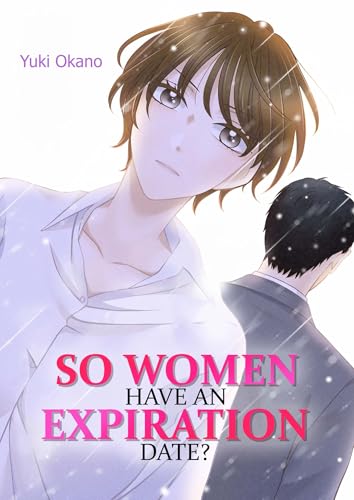
By purchasing or reading through these legitimate channels, you are directly contributing to the creator and the industry, paving the way for more
FAQs About do women have an expiration date manga
What genre is ‘So Women Have an Expiration Date?’
This
Who is the author, Yuki Okano?
Yuki Okano is the author and artist behind ‘So Women Have an in Expiration Date?’. While this work is her most prominent in international markets, she is known for writing stories that tap into the real-world emotional and societal challenges faced by modern women in Japan, making her a significant voice in the Josei genre.
Is there an anime adaptation of the manga ?
As of 2026, there is no official anime adaptation of ‘So Women Have an Expiration Date?’. The story is currently only available in its original
What does the ending of ‘So Women Have an Expiration Date?’ mean?
The ending of the
Are there other manga like ‘So Women Have an Expiration Date?’
Yes, several other Josei
Final Thoughts
At its core, So Women Have an Expiration Date? is far more than a story with a shocking title; it’s a powerful and necessary piece of social commentary. It validates the frustrations of many women who feel judged by a clock they never asked for. The
Here are the most important takeaways:
- A Direct Critique of Ageism: The
manga ‘s core value lies in its direct confrontation of the societal belief that a woman’s worth is tied to her youth, using a realistic and emotional narrative. - A Story of Female Empowerment: The protagonist Masumi’s journey from insecurity to self-acceptance serves as an empowering and relatable arc for many adult female readers.
- Masterful Josei Storytelling: As a prime example of the Josei genre, it skillfully blends realistic drama, romance, and insightful social commentary for a mature audience.
- More Than Just a Plot: Its significance comes from its deep exploration of themes—ageism, marital dynamics, and beauty standards—making it a thought-provoking piece of media.
- Read Officially to Show Support: The best way to experience the story and support the author, Yuki Okano, is through official platforms like MangaPlaza, Amazon, and Kobo.
By following Masumi’s journey, readers are not just entertained; they are invited to reflect on their own perceptions of worth, age, and identity. It’s a compelling reminder that the only expiration date that matters is the one we refuse to place on ourselves. This
Last update on 2026-04-23 / Affiliate links / Images from Amazon Product Advertising API


