
Struggling to decide between the Soul Eater anime and
The Soul Eater
Based on a detailed analysis of the source material and production history, this guide will provide a definitive comparison. We will break down the exact plot differences, character fates, and thematic depth. You’ll discover precisely why the two versions differ and which path offers the most rewarding experience.
Key Facts
- Divergence Point: The anime’s story splits from the
manga ‘s canon plot around episode 35, which corresponds to chapter 36 of themanga .- Canon Source Material: The
manga , written by Atsushi Ohkubo, is the official and complete story, spanning 25 volumes.- Production Reason for Split: The anime’s production caught up to the
manga ‘s publication, forcing the animation studio to create an original ending as the source material was not yet finished.- Prequel Connection: The author’s later work, Fire Force, is a canon prequel to the Soul Eater universe, a connection only fully understood through the
manga ‘s lore.- Community Consensus: The overwhelming fan consensus is that the
manga provides a superior, more coherent, and emotionally resonant conclusion.
Is The Soul Eater Anime Or Manga Ending Better: A Definitive Comparison?
The Soul Eater

For newcomers and even long-time fans, this split creates significant confusion. The first half of the anime is a brilliant and faithful adaptation, celebrated for its unique art style and dynamic action. However, the anime-original ending simplifies character arcs and abandons major plot threads that the
A common sentiment found on platforms like Reddit and MyAnimeList is: “Watch the anime for the style, music, and first half of the story. Read the
manga for the real ending.”
This guide will dissect the key differences to provide a clear verdict. We will analyze the plot, the fates of major characters like Crona, and the ultimate thematic resolutions. By the end, you’ll understand exactly why one ending is celebrated as canon and the other is viewed as a necessary but inferior alternative.
At What Point Do The Soul Eater Anime And Manga Diverge?
The Soul Eater anime and
This narrative divergence was a common practice in the 2000s. When an anime series caught up to its ongoing
For viewers who wish to experience the canon story after watching the anime, the transition point is clear. After finishing episode 35, you should start reading the
How Do The Final Arcs and Endings Compare? A Head-to-Head Analysis
The differences between the anime’s conclusion and the
| Feature/Aspect | Anime Original Ending | Canon |
|---|---|---|
| Divergence Point | Episode 35 (During “Battle for Brew” arc) | Chapter 36 (Continues with canon arcs) |
| Final Villain | Kishin Asura | Kishin Asura (with more backstory and connection to “Madness”) |
| Final Battle Location | DWMA Headquarters in Death City | The Moon |
| How Asura is Defeated | Maka defeats him with a single punch of “courage” (an anti-demon wavelength punch). | A multi-stage battle ending with Soul, Maka, and Crona working together. Asura is sealed by Crona using the Black Blood. |
| Maka’s Final Power | Gains partial Weapon abilities (blades from her body) and delivers a final punch. | Achieves immense Soul Resonance with all allies; does not manifest weapon parts. |
| Thematic Resolution | A simplified theme of “Courage vs. Fear”. | A complex exploration of “Order vs. Madness”, with Madness being an inherent part of existence that must be balanced, not just destroyed. |
As the table shows, the
How Do Key Character Arcs Conclude Differently?
The most significant casualty of the anime’s rushed ending was character development. Major characters who undergo profound and often tragic transformations in the
- Crona Gorgon: In the anime, Crona’s fate is left open but hopeful, rejoining the DWMA. The
manga provides a definitive, tragic, and heroic conclusion where Crona’s sacrifice is the key to defeating Asura. - Death the Kid: The anime doesn’t explore Kid’s full potential or destiny. In the
manga , Kid’s arc culminates in him fully embracing his heritage and stepping into his role as the true heir to Lord Death, completing his journey of balancing order and his own obsessive nature.
What Is Crona’s Fate in Each Version?
The starkest difference between the two endings lies in the fate of Crona, the tormented child of the witch Medusa. This character’s conclusion highlights the thematic divergence between the two versions.
Anime Ending: In the anime, Crona assists in the final battle but ultimately survives. After Asura’s defeat, Crona is welcomed back to the DWMA, with the implication that they will find peace and friendship. The ending is hopeful and focuses on redemption through societal acceptance.
Manga Ending: Crona’s fate in the
Which Version Should You Choose? A Strategic Recommendation Guide
For the definitive story, the
Here is a strategic guide to help you choose your path.
For the Complete, Canon Story (Manga-First)
If your top priority is experiencing the full, unaltered story as the author intended, your best bet is to read the
For a Quicker, Self-Contained Experience (Anime-Only)
If you have limited time or prefer animation as a medium, watching the anime from start to finish is a valid option. Be aware that you will be getting a non-canon ending that is significantly different and less developed than the
The Hybrid Approach (Best of Both Worlds)
This is the most highly recommended path for newcomers. Watch the anime from episode 1 to episode 35, then switch to the
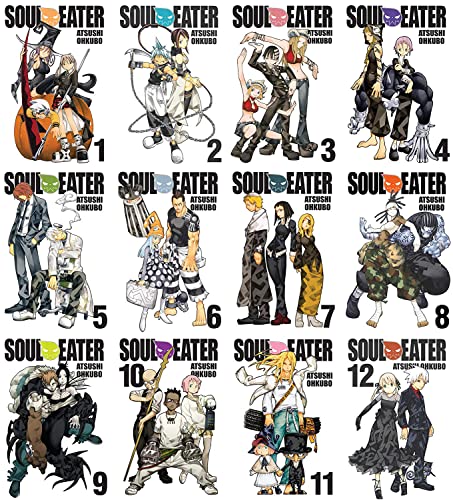
FAQs About is soul eater anime or manga endingbetter
Will Soul Eater Get a “Brotherhood” Adaptation?
There is currently no official news or announcement regarding a new adaptation of Soul Eater that would faithfully follow the entire
Is Soul Eater Connected to Fire Force?
Yes, Soul Eater and Fire Force are connected as they were both created by the same author, Atsushi Ohkubo. The Fire Force
Is the Soul Eater Anime Considered Canon?
The Soul Eater anime is considered canon only up to episode 35, where it begins to diverge significantly from the
How Many Volumes Does the Soul Eater Manga Have?
The Soul Eater
Who is Stronger, Maka in the Anime or Manga ?
Manga Maka is arguably more effectively powerful within her story’s context, though her power is portrayed differently. The anime’s Maka defeats Asura with a single punch of “courage,” which feels like a convenient plot device. The
Why Is The Soul Eater Anime Ending So Different?
The anime ending is different because the anime production caught up to the ongoing
Does Black Star Ever Surpass God?
In the
Is the Spinoff “Soul Eater Not!” Canon?
Yes, Soul Eater Not! is a canon spinoff series also written and illustrated by Atsushi Ohkubo. It is a prequel that takes place one year before the events of the main Soul Eater story, focusing on a different set of students at the DWMA and exploring the daily life at the academy. It has also been adapted into a 12-episode anime.
What is the “Madness of Fear” in the Manga ?
The “Madness of Fear” is a core concept in the
Is the Anime Still Worth Watching?
Yes, the Soul Eater anime is still widely considered worth watching, especially for the first 35 episodes. The anime features a fantastic and unique art style, a memorable soundtrack, and excellent voice acting. The first half is a faithful and high-quality adaptation, serving as a great introduction to the world and its characters.
Key Takeaways: Soul Eater Anime vs. Manga Ending
- Manga Offers the Canon, Complete Story: The
manga ‘s 25-volume run contains the full, unaltered plot and ending as intended by creator Atsushi Ohkubo, making it the definitive version of the story. - Anime Diverges at Episode 35: The anime follows the
manga faithfully for the first 35 episodes but then creates an original, non-canon ending to conclude the series. - Character Fates Are Drastically Different: Key characters, most notably Crona, have entirely different and more impactful conclusions in the
manga , which significantly alters the story’s emotional weight. - Thematic Depth is Greater in the
Manga : Themanga explores more complex themes, such as the nature of “Madness vs. Order,” providing a more nuanced and thought-provoking resolution than the anime’s simpler “Courage vs. Fear” theme. - The Hybrid Approach is Best for Many: For the best of both worlds, watch the excellent anime adaptation up to episode 35, then switch to the
manga starting at chapter 36 to experience the canon conclusion. - The Anime Has Its Own Merits: Despite its rushed ending, the anime is praised for its unique art style, stellar soundtrack, and high-quality animation in the first half, making it a worthwhile watch for any fan.
Final Thoughts on Choosing Your Soul Eater Experience
Ultimately, the choice between the Soul Eater anime and
For those who crave narrative depth, complete character arcs, and a thematically resonant conclusion, the
Last update on 2026-04-21 / Affiliate links / Images from Amazon Product Advertising API


