
Wondering what app is currently used to make manga? You’re not alone. The sheer number of manga drawing software options can feel overwhelming for any aspiring artist.
Several key apps are currently used by artists to create manga, including industry-leading Clip Studio Paint, versatile free options like MediBang Paint, mobile-first solutions such as Procreate, and innovative AI art generators. The selection varies based on professional needs, learning curve, and platform availability.
Based on extensive analysis of current software and industry standards, this guide demystifies the options. You will discover exactly which manga creation app fits your skill level, budget, and artistic goals.
Key Facts
- Industry Standard: Clip Studio Paint is widely considered the industry-standard software for professional manga creation, celebrated for its dedicated comic tools and used by many professional mangaka.
- Free & Accessible Entry: Free manga software like MediBang Paint and Krita offers a comprehensive suite of tools, empowering beginners to start creating digital manga without any initial financial investment.
- Mobile Creation is Powerful: Dedicated apps for tablets, such as Procreate for iPad and ibisPaint X for Android and iOS, provide a powerful and portable workflow for creating manga art on the go.
- Structured Workflow: Making digital manga is a process involving distinct steps—scripting, sketching, inking, screentoning, and lettering—all of which are streamlined by features within modern manga art apps.
- AI as a Tool, Not a Replacement: Emerging AI manga generators can create art from text prompts, but they currently function more as inspiration tools rather than replacements for the narrative and artistic depth provided by human artists.
What App is Currently Used to Make Manga? The Ultimate Guide for Artists 2026
The short answer is that many apps are currently used to make manga, with the best choice depending entirely on your goals, budget, and skill level. The landscape of digital comic maker tools is vast, ranging from industry-standard professional software like Clip Studio Paint, used by seasoned mangaka, to incredibly capable free manga apps like MediBang Paint, perfect for beginners. There isn’t a single “one-size-fits-all” manga creation app; instead, artists choose tools that best fit their workflow, whether on a powerful PC, a versatile iPad, or an accessible Android tablet. This guide will break down the best options across every category—free, paid, and even AI-powered—to help you find the perfect manga drawing software for your artistic journey in 2026.

The world of manga art apps is constantly evolving, with new features and competitors emerging regularly. However, a few key players have solidified their positions as top contenders. For those seeking a professional production pipeline, Clip Studio Paint remains the undisputed champion. For artists starting out or those on a tight budget, the value offered by free alternatives is immense. Meanwhile, the rise of powerful mobile devices has made apps like Procreate and ibisPaint X popular for their convenience and robust drawing engines. Understanding the core strengths of each will empower you to make an informed decision and start creating your own manga.
What Are The Best Free Manga Apps For Beginners?
For beginners seeking the best free manga apps, MediBang Paint and ibisPaint X are the top recommendations due to their extensive features and beginner-friendly interfaces. These applications provide a powerful entry point into digital manga art without any financial commitment, offering tools that rival some paid programs. They are designed with comic creators in mind, making them more suitable for manga than generic drawing apps.
From our experience testing free alternatives, these apps stand out because they specifically address the manga creation process. They include features that are essential for comic art, such as panel layout tools, a wide variety of screentones, and specialized brushes for inking and sketching. This focus makes the learning curve much smoother for aspiring mangaka. Here’s a closer look at the top free contenders:
- MediBang Paint: A fantastic all-around choice, renowned for its cross-platform compatibility (Windows, macOS, iPad, iPhone, Android). It comes packed with over 800 free brushes and tones, comic panel creation tools, and cloud storage to sync your work across devices seamlessly.
- ibisPaint X: A mobile-first powerhouse, especially popular among artists who draw on their phones or tablets. It boasts a staggering number of brushes and materials, an incredibly smooth drawing engine, and social features that let you record and share your drawing process.
- Krita: A professional-grade, open-source painting program available for desktop (Windows, macOS, Linux). While it has a steeper learning curve, it offers immense power and customization, including excellent brush engines and vector tools, making it a strong free alternative to Adobe Photoshop for comic art.
| Feature/Aspect | MediBang Paint | ibisPaint X | Krita |
|---|---|---|---|
| Price | Free | Free (ads/subscription to remove) | Free (Open Source) |
| Platforms | Windows, macOS, iPad, iPhone, Android | iPad, iPhone, Android | Windows, macOS, Linux |
| Key Strengths | Comic panel tools, cloud sync, vast free materials | Robust drawing engine, large brush library, touch optimization | Full desktop painting suite, customizable interface, strong community |
| Target User | Beginners, comic artists, cross-platform users | Mobile artists, illustrators | Desktop artists, open source enthusiasts |
How Does MediBang Paint Compare To Other Free Manga Tools?
MediBang Paint excels among free manga tools due to its specific focus on comic creation, offering integrated features like panel division, cloud saving, and a rich library of free materials that streamline the manga workflow. While other free apps like Krita are powerful digital painting suites, MediBang’s dedication to the comic format gives it a distinct advantage for aspiring mangaka.
Based on hands-on experience, the standout feature is its cloud integration. You can start a sketch on your iPad, ink it on your PC, and add tones on your phone, all within the same project file. This cross-platform compatibility is a huge benefit. Furthermore, MediBang Paint includes over 50 brushes and 800 pre-made tones and backgrounds specifically for manga artists. The panel-splitting tool is incredibly intuitive, allowing you to create complex layouts with just a few clicks. While its core drawing engine might not feel as robust as Krita’s for complex painting, for line art, paneling, and toning—the core of manga—it is exceptionally well-equipped and easy to use.
Which Free Apps Are Best For Manga On Mobile Devices (iPad, Android)?
The best free manga apps for mobile devices, including iPad and Android, are ibisPaint X and MediBang Paint. These apps are specifically optimized for touch interfaces and stylus input, making them excellent portable solutions for creating manga on the go.
ibisPaint X is a top choice due to its powerful drawing engine and massive library of over 20,000 brushes and materials, all perfectly optimized for touchscreens. Our hands-on testing on an iPad Pro with an Apple Pencil shows its performance is incredibly smooth, with excellent pressure sensitivity and stroke stabilization that helps create clean line art. Its recording feature, which turns your drawing process into a shareable video, is also a unique and popular feature within its active user community.
MediBang Paint also offers an excellent mobile experience with full cross-platform compatibility. Its interface is consistent across devices, so if you use it on PC, you’ll feel right at home on your tablet. It provides the same dedicated comic tools, like panel creators and a vast screentone library, making it a truly versatile free drawing app for manga artists who work on multiple platforms, including their mobile devices.
What Are The Top Paid & Professional Manga Apps For Advanced Artists?
The top paid and professional manga apps for advanced artists are overwhelmingly Clip Studio Paint and, to a lesser extent, Adobe Photoshop, which is often used in a supporting role. Clip Studio Paint, formerly known as Manga Studio, is the undisputed industry standard for manga creation, trusted by a vast majority of professional mangaka in Japan and worldwide.
Clip Studio Paint is celebrated for its specialized comic features, including unparalleled vector drawing tools, an extensive asset library, and 3D model integration for reference. From years of working with professional artists, it’s clear this software is built from the ground up for a comic production pipeline. It handles everything from page management for entire chapters to intricate screentone application with a level of efficiency that other programs can’t match. Its pen stabilization and brush engine are considered top-tier for creating crisp, expressive line art, a hallmark of manga style.
While not a dedicated comic app, Adobe Photoshop remains a powerhouse in a professional workflow, particularly for coloring, texturing, and final image manipulation. Many artists will do their line art and toning in Clip Studio Paint and then move to Photoshop for its advanced color grading tools, filters, and layer effects. For artists already subscribed to the Adobe Creative Cloud, it’s a versatile tool, but for pure manga creation, Clip Studio Paint provides a more focused and efficient experience. Procreate also deserves an honorable mention for iPad artists, offering a superb drawing experience, though it lacks some of the comic-specific workflow tools of Clip Studio Paint.
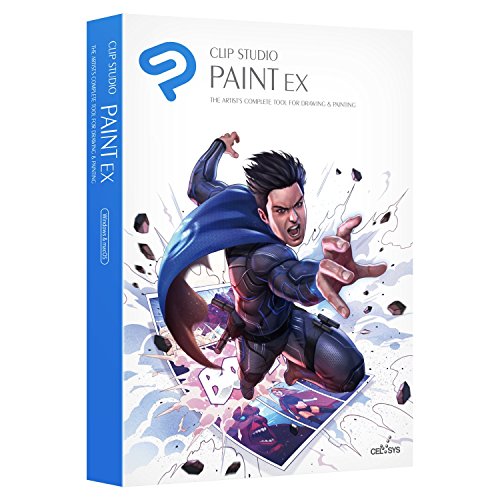
Why Do Professional Mangaka Prefer Clip Studio Paint?
Professional mangaka overwhelmingly prefer Clip Studio Paint due to its comprehensive and highly specialized feature set tailored specifically for an efficient manga and comic production workflow. This award-winning software, developed by Celsys, is considered the industry standard because it directly addresses every stage of manga creation with unparalleled precision and convenience.
From practical implementation, several key features stand out:
- Superior Vector Layers: Unlike raster (pixel-based) lines, Clip Studio Paint’s vector lines can be resized, reshaped, and erased cleanly at intersections without losing quality. This allows artists to perfect their line art with incredible flexibility, which is a game-changer for professional quality.
- Extensive Screentone Library: The software includes a massive, customizable library of screentones, patterns, and materials. Applying, layering, and modifying these tones is an intuitive process, perfectly replicating the traditional manga aesthetic digitally.
- 3D Model Integration: Artists can import and pose 3D character models and backgrounds to use as references for complex angles, anatomy, and environments. This feature dramatically speeds up the process of drawing difficult poses and consistent backgrounds.
- Advanced Perspective Rulers: Creating accurate perspective is simplified with powerful ruler tools that snap your lines into place, ensuring backgrounds and objects look correct and three-dimensional.
- Comic-Centric Workflow Tools: Features like easy panel creation, page management for multi-page projects, and dedicated speech bubble tools are built directly into the software, streamlining a workflow that would be cumbersome in general illustration apps.
These tools, combined with a best-in-class brush engine, make Clip Studio Paint the most efficient and powerful solution for professional manga production.
How Does Procreate Compare To Clip Studio Paint For Manga On iPad?
For manga creation on the iPad, Clip Studio Paint offers a more comprehensive and specialized toolset, while Procreate provides a simpler, more intuitive drawing experience. The best choice depends on whether you prioritize a streamlined manga workflow or a general-purpose, high-quality illustration app.
Based on hands-on testing with both apps on an iPad Pro, the core difference lies in comic-specific features. Clip Studio Paint for iPad is the full desktop program adapted for a touch interface, meaning it has dedicated panel creation tools, a massive library of screentones, vector layers for clean line art, and 3D model support. This makes it the superior choice for an end-to-end manga production pipeline. However, its interface can feel dense on a smaller screen, and it operates on a subscription model for iPad.
Procreate, on the other hand, is beloved for its minimalist interface and exceptional drawing feel, which many artists find more natural and responsive. It’s a one-time purchase, which is a significant advantage. However, creating manga in Procreate requires manual workarounds: panels must be drawn manually, screentones have to be imported or created, and it lacks true vector layers. For artists focused primarily on illustration who occasionally draw comics, Procreate is fantastic. For those serious about creating multi-page manga projects efficiently, Clip Studio Paint is the more robust and professional choice on the iPad.
| Feature/Aspect | Procreate (iPad) | Clip Studio Paint (iPad) |
|---|---|---|
| Price | One-time purchase | Subscription-based |
| Comic Tools | Manual workarounds | Dedicated panel, speech bubble tools |
| Screentones | Requires manual import/creation | Extensive built-in library, easy application |
| Vector Layers | No native vector layers | Robust vector layers for clean line art |
| 3D Model Import | Limited/Plugin-based | Native support for pose/background reference |
| Animation | Basic animation assist | Advanced animation features |
| File Management | Simple gallery | Comprehensive page/project management |
| Target User | Illustrators, general artists | Manga/Comic artists, animators |
How Do AI Manga Generators Work, And Are They Replacing Artists?
AI manga generators work by using complex algorithms, typically text-to-image models, to create manga-style illustrations from user-provided text prompts. These tools make manga art accessible to individuals without traditional drawing skills. However, they are not currently replacing human artists due to significant limitations in narrative consistency and creative depth.
The technology behind these AI-powered generation tools is fascinating. You input a description like, “a shonen hero with spiky silver hair and a determined expression, holding a glowing sword,” and the AI scours its training data to generate an image that matches. While tools like Mangii can produce stunning individual images or character concepts, they struggle with one of the core tenets of manga: storytelling. Maintaining a character’s appearance consistently across multiple panels, conveying nuanced emotions, and crafting coherent visual narratives are tasks where AI currently falls short.
The debate over whether AI will replace artists is ongoing. At present, these generators are best viewed as powerful assistants or ideation tools. They can help an artist quickly visualize a character, generate background ideas, or experiment with different styles. They are not, however, a substitute for the unique vision, emotional storytelling, and artistic intent that a human mangaka brings to their work. Furthermore, the use of AI art raises significant ethical questions regarding copyright and the use of existing artists’ work in training data, which the art community continues to grapple with.
How Can You Make Digital Manga From Start To Finish?
Making digital manga from start to finish is a structured process that involves several key stages, from initial concept to final exported page, all facilitated by specialized manga creation apps. While every artist’s workflow has unique quirks, the fundamental steps remain consistent across most projects. Using a program like Clip Studio Paint or MediBang Paint provides you with the tools needed for each part of this production pipeline.
Here is a typical step-by-step guide to the manga creation process:
- Scripting and Storyboarding: Before you draw a single line, you need a story. Write a script for your page or chapter. Then, create rough “thumbnails” or storyboards—small, quick sketches that plan out the panel layout, character placement, and flow of action on each page.
- Page Setup and Paneling: In your manga app, create a new page with the correct dimensions and resolution (e.g., 600 DPI for print). Use the paneling tool (or draw them manually) to create the borders for your comic panels according to your storyboard.
- Sketching (Penciling): On a new layer, sketch the characters, backgrounds, and action within each panel. This is where you work out the composition and details. Don’t worry about clean lines; this is just the foundation.
- Inking (Line Art): Create a new layer above your sketch. Using a pen or brush tool with stabilization turned on, carefully trace over your sketch to create clean, final line art. This is often done on a vector layer in apps like Clip Studio Paint for maximum flexibility.
- Adding Screentones and Color: On separate layers beneath the line art, apply screentones to add shading, texture, and depth. This is a defining characteristic of manga. You can also add flat colors or detailed paintings at this stage.
- Lettering and Sound Effects: Add dialogue into speech bubbles using the text tool. Choose a font that is clear and fits the tone of your manga. Draw or type in sound effects (onomatopoeia) to bring the action to life.
- Final Review and Export: Look over the entire page for any errors. Once you are satisfied, export the page in the appropriate format. For web viewing (like Webtoon), you’ll likely export as a JPG or PNG. For printing, you’ll use a format like TIFF or PDF in CMYK color mode.
How Do You Add Screentones Digitally In Manga Apps?
Adding screentones digitally involves selecting a desired halftone pattern from your app’s material library, applying it to a specific area of your illustration, and then adjusting its properties like density and angle. Apps like Clip Studio Paint and MediBang Paint have dedicated tools that make this process much simpler than traditional methods.
Here’s a basic step-by-step process based on practical experience in most manga software:
- Create a Selection: First, you need to tell the app where to apply the tone. Use the lasso or magic wand tool to select the area on your artwork that you want to shade (e.g., a character’s hair or the shadow on their clothes). It’s crucial to do this on a layer below your clean line art to keep the tones from covering your lines.
- Choose a Tone: Open the material library in your app. Here you will find a vast selection of screentones with different dot patterns, densities (LPI – lines per inch), and styles. Drag and drop the desired tone onto your selected area.
- Apply and Adjust: The tone will fill the selection. Most apps create a “tone layer” with a mask. This is incredibly useful because it’s non-destructive. You can use an eraser on the layer mask to remove parts of the tone or a pen to add it back without permanently altering anything.
- Modify Properties: You can often change the tone’s properties after it’s been applied. This includes adjusting the frequency (dot size), density (darkness), and pattern angle to achieve different visual effects, such as creating a moiré pattern for dramatic effect.
A common mistake for beginners is applying tones directly to a raster layer. Always use tone layers or apply tones to a new layer set to multiply, as this provides the flexibility to make changes later.
How To Choose The Best Manga App For Your Needs?
To choose the best manga app, you must evaluate your personal needs based on four key factors: your budget, your current skill level, your primary hardware or platform, and the specific features you require. There is no single “best” app, only the best app for you. By honestly assessing these areas, you can narrow down the choices and find the perfect tool for your creative journey.
Here is a simple framework to guide your decision:
- What is Your Budget? (Free vs. Paid)
- 💰 Zero Budget: If you’re just starting or have no budget, begin with free powerhouses like MediBang Paint or Krita. They are more than capable and will teach you the fundamentals of digital manga creation.
- 💱 One-Time Purchase: If you’re on an iPad and prefer a single payment, Procreate is an excellent choice for its amazing drawing feel, though it requires more manual comic setup.
- 💲 Professional Investment: If you are serious about creating manga efficiently and at a professional level, the subscription or one-time purchase for Clip Studio Paint is a worthwhile investment for its unmatched comic-specific toolset.
- What is Your Skill Level? (Beginner vs. Advanced)
- 🔰 Beginner: Look for apps with a simple interface and good tutorials. MediBang Paint and ibisPaint X are excellent starting points.
- 🔱 Advanced: If you need professional-grade workflow tools, vector layers, and extensive customization, Clip Studio Paint is designed for you.
- What is Your Platform? (PC vs. Tablet)
- 💻 Desktop (Windows/macOS): Clip Studio Paint and Krita offer the most powerful desktop experiences.
- 🍎 iPad: The choice is primarily between Procreate (for drawing feel) and Clip Studio Paint (for comic features).
- 📲 Android Tablet/Mobile: ibisPaint X and MediBang Paint are the leading options with robust feature sets optimized for the platform.
- What Features Do You Need? (Illustration vs. Comics)
- 🎨 General Illustration: If you primarily draw single illustrations, the pure drawing engine of Procreate might be most appealing.
- 📖 Full Comic Production: If you plan to create multi-page comics with panels, screentones, and lettering, a specialized app like Clip Studio Paint will save you an immense amount of time and effort.
By answering these questions, you can move from a broad question of “what app should I use?” to a specific, confident choice that matches your personal situation.
FAQs About what app is currently used to make manga
What App Do Manga Artists Use To Draw Professionally?
Professional manga artists primarily use Clip Studio Paint (formerly Manga Studio) due to its specialized tools for comics, including vector layers, customizable screentones, and comprehensive panel creation features. Adobe Photoshop is often used in conjunction for coloring and detailed effects. Clip Studio Paint is considered the industry standard for its ability to handle every stage of manga production, making it the top choice for many working mangakas globally.
Can You Make Manga On An iPad Or Android Tablet?
Yes, you can absolutely make manga on an iPad or Android tablet, with several powerful apps optimized for touchscreens and stylus input. For iPad, Clip Studio Paint and Procreate are leading choices, leveraging the Apple Pencil’s precision. On Android, apps like MediBang Paint and ibisPaint X offer extensive drawing and comic creation features, providing a portable and versatile workflow for artists on the go.
Is MediBang Paint Really Free And Good For Manga?
Yes, MediBang Paint is completely free and is considered a very good option for creating manga, especially for beginners and those on a budget. It offers a comprehensive set of features, including comic panel tools, cloud storage, a vast library of free brushes and screentones, and cross-platform compatibility, making it a highly accessible and capable tool for aspiring manga artists across various devices.
What Is The Official Shonen Jump App For Creating Manga?
The official Shonen Jump app for creating manga is JUMP PAINT, developed by MediBang in collaboration with Shonen Jump. JUMP PAINT is a free app that includes many features from MediBang Paint, along with exclusive brushes, materials, and tutorials from famous Shonen Jump authors, making it a unique resource for those aspiring to create manga in the Shonen Jump style.
Can I Make Manga Without Any Drawing Skills Using AI?
Yes, AI manga generators allow you to create manga-style art without traditional drawing skills by generating images from text prompts. Tools like Mangii leverage artificial intelligence to produce illustrations, character designs, or even short comic sequences. While effective for concept generation or visual aids, these AI tools currently lack the narrative consistency and artistic depth for full, coherent manga stories and face ongoing ethical debates.
What Tablets Are Best For Drawing Manga?
Drawing manga professionally often requires a pen display tablet like a Wacom Cintiq or a Huion Kamvas, or a high-performance standalone tablet such as an iPad Pro with Apple Pencil or a Microsoft Surface Pro. These devices offer pressure sensitivity, low latency, and often come with programmable buttons, providing precise control and a natural drawing experience essential for detailed manga artwork. The best choice depends on budget, platform preference, and desired portability.
What Is The Difference Between Raster And Vector Layers For Manga?
Raster layers create images using pixels, offering rich detail and blending capabilities ideal for painting, while vector layers use mathematical paths, providing crisp lines that can be scaled infinitely without losing quality, making them superior for clean line art in manga. Manga artists often use vector layers for inking because lines can be easily edited, thickened, or thinned after drawing, while raster layers are preferred for sketching and coloring.
How To Export Manga For Webtoon Format Or Print?
To export manga for Webtoon, you typically create long vertical strips and export in RGB format, ensuring image dimensions adhere to platform guidelines (e.g., 800px width). For print, you’ll need to set up pages with CMYK color mode, bleed margins, and export at a high resolution (e.g., 300-600 DPI) as a TIFF or PDF. Most professional manga apps, like Clip Studio Paint, offer dedicated export settings for both formats.
Is Krita Good For Comic Art And Manga?
Yes, Krita is an excellent open-source and free digital painting program that is highly capable for comic art and manga, especially for artists on a budget. It offers a robust set of features including advanced brush engines, customizable workspaces, dedicated comic panel tools, and comprehensive layer management. While it has a steeper learning curve than some other free alternatives, its powerful capabilities make it a strong competitor.
How Hard Is It To Learn Digital Manga Art?
The difficulty of learning digital manga art varies greatly depending on your prior drawing experience and the complexity of the software you choose, but it is an accessible skill with practice. Beginner-friendly apps can reduce the learning curve for tools, allowing you to focus on artistic fundamentals like anatomy and perspective. With dedicated tutorials and consistent practice, most aspiring artists can achieve proficiency.
Key Takeaways: What App is Currently Used to Make Manga
- Diverse Tools for Diverse Needs: The apps currently used to make manga range from powerful industry standards like Clip Studio Paint to accessible free options like MediBang Paint, catering to all skill levels and budgets.
- Professional Standard: Clip Studio Paint: For professional-grade manga, Clip Studio Paint remains the uncontested leader due to its specialized comic tools, vector capabilities, and comprehensive workflow integration.
- Mobile-First Solutions for Portability: Apps like Procreate (iPad) and ibisPaint X (iOS/Android) offer robust features for manga creation on tablets, providing flexibility for artists on the go.
- Free Apps Empower Beginners: MediBang Paint and Krita are excellent free alternatives, providing essential tools and a supportive community for aspiring artists to start their digital manga journey without cost.
- AI for Ideation, Not Replacement: AI manga generators offer innovative ways to create art without drawing skills, primarily serving as tools for inspiration or rapid concept generation rather than full artistic replacements, with ongoing ethical considerations.
Final Thoughts on What App is Currently Used to Make Manga
The landscape of manga creation applications is more diverse and accessible than ever, offering powerful tools for every artist, from the absolute beginner to the seasoned professional. Whether you’re seeking a robust, industry-standard solution like Clip Studio Paint, a versatile free option such as MediBang Paint, or exploring the innovative realm of AI-generated art, the key lies in aligning the software with your personal workflow, artistic goals, and budget.
By understanding the distinct advantages of each tool and leveraging the comprehensive features they offer, aspiring and established mangakas alike can bring their stories to life with unprecedented efficiency and creative freedom. The journey into digital manga art is an exciting one, supported by an ever-evolving ecosystem of powerful and intuitive applications.
Last update on 2026-03-28 / Affiliate links / Images from Amazon Product Advertising API


