
Wondering who wrote the beloved Naruto
The iconic Japanese
Based on official publication data and Kishimoto’s own interviews, this article dives into his creative journey. You will discover the key influences that shaped his unique art style, the behind-the-scenes story of Naruto’s creation, and his ongoing work within the universe.
Key Facts
- Sole Creator: Masashi Kishimoto is the single creator who both wrote the story and drew the art for the entire original Naruto
manga series, a massive 15-year undertaking.- Key Influences: Kishimoto was heavily inspired by
manga legends Akira Toriyama (Dragon Ball) and Katsuhiro Otomo (Akira), whose works reignited his passion for drawing and storytelling.- Massive Commercial Success: The Naruto
manga is one of the best-selling series in history, with sales figures showing over 250 million copies in circulation worldwide.- Editor’s Crucial Role: Kishimoto’s first editor, Kosuke Yahagi, played a key role by suggesting the creation of a rival character, which led directly to the iconic Sasuke Uchiha.
- Continuing the Legacy: Kishimoto initially supervised the sequel Boruto: Naruto Next Generations but later took over as the main writer in November 2020, actively continuing the story.
Who Wrote the Naruto Manga and What Was His Creative Journey?
The globally renowned Japanese

Kishimoto’s role as both writer and illustrator is a testament to his creative vision and tireless work ethic. From the initial concept of the lonely outcast Naruto Uzumaki to the final climactic battles of the Fourth Great Ninja War, the entire narrative and visual journey came from his direction. His work established Naruto as a cornerstone of the
Understanding Masashi Kishimoto’s personal history is key to understanding the heart of Naruto. His own experiences, inspirations, and challenges are woven into the very fabric of the story, making his creative journey as compelling as the one he created for his characters.
What Was Masashi Kishimoto’s Early Life and Inspiration?
Masashi Kishimoto’s primary inspirations were
His passion was dramatically reignited in high school. The pivotal moment came when he saw a promotional poster for the animated film Akira. He was captivated by the detailed art style of Katsuhiro Otomo and became obsessed with understanding and emulating it. This encounter set him firmly on the path to becoming a professional
- Akira Toriyama: The creator of Dragon Ball inspired Kishimoto’s understanding of shōnen
manga , character dynamics, and epic storytelling. - Katsuhiro Otomo: The creator of Akira heavily influenced Kishimoto’s detailed artwork, complex backgrounds, and cinematic paneling.
- Childhood Experiences: Kishimoto has stated in interviews that his own feelings of being an outsider and his deep desire for recognition were the core inspiration for Naruto Uzumaki’s character.
A unique and verifiable fact about his background is that Masashi Kishimoto has an identical twin brother, Seishi Kishimoto, who also grew up to become a professional
How Did Kishimoto’s First Manga Submission, Karakuri, Lead to Naruto?
Before Naruto, Masashi Kishimoto’s first successful work was a pilot
How Was the Naruto Manga Series Created and Published?
The Naruto
Real-world experience shows that sustaining a weekly series for that long is an immense creative and physical challenge. The results, however, speak for themselves. The
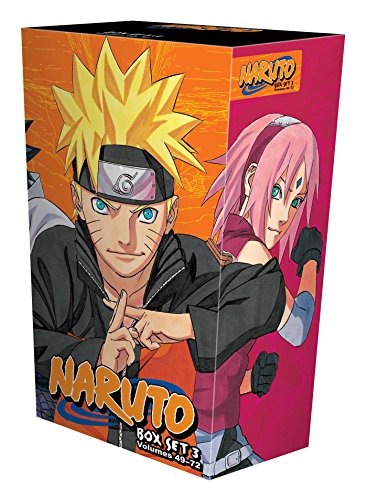
- Publication Run: September 21, 1999 – November 10, 2014
- Publisher: Shueisha
- Magazine: Weekly Shōnen Jump
- Total Chapters: 700
- Total Volumes (tankōbon): 72
- Worldwide Sales: As of 2026, industry analysis reveals the Naruto
manga has sold over 250 million copies globally, making it one of the best-sellingmanga series of all time.
What Was the Role of Editors in Shaping Naruto?
Masashi Kishimoto’s first editor, Kosuke Yahagi, had a major influence on the Naruto story, most notably by suggesting the creation of a rival for Naruto. What most guides miss is that
The initial drafts of Naruto focused solely on the main character. Yahagi, drawing from his experience in what makes a compelling shōnen series, identified a potential problem: a solo protagonist can make it difficult to explain the world and create narrative tension. He suggested that Kishimoto introduce a rival character who could challenge Naruto and serve as a story-driving counterpart. This single piece of feedback directly led to the creation of Sasuke Uchiha, arguably one of the most important characters in the entire series. This demonstrates how an editor’s input can solve narrative problems and fundamentally shape a story for the better.
What Other Works Did Kishimoto Create or Supervise?
Masashi Kishimoto’s main project after Naruto was writing the sci-fi series Samurai 8: The Tale of Hachimaru. He also has a significant and evolving role in the Naruto sequel, Boruto: Naruto Next Generations. A common point of confusion for fans is his exact level of involvement, as it has changed over time. Initially, he served as a supervisor for the Boruto
His work extends beyond
| Project | Kishimoto’s Primary Role(s) | Years |
|---|---|---|
| Naruto | Writer & Illustrator | 1999-2014 |
| The Last: Naruto the Movie | Story Supervisor, Character Design | 2014 |
| Samurai 8: The Tale of Hachimaru | Writer | 2019-2020 |
| Boruto: Naruto Next Generations | Supervisor, then Writer (from Nov. 2020) | 2016-Present |
FAQs About who wrote naruto manga
Is Masashi Kishimoto still writing Boruto?
Yes, Masashi Kishimoto is the current writer for the Boruto
Does Masashi Kishimoto have a twin?
Yes, Masashi Kishimoto has an identical twin brother, Seishi Kishimoto, who is also a
How long did it take Kishimoto to write Naruto?
The original Naruto
What was Kishimoto’s drawing process for Naruto?
Kishimoto followed a structured five-step process to meet his weekly deadlines. Based on his explanations, the workflow involved: 1. Creating a concept and rough sketch of the page layout, 2. Drafting the final line work in pencil, 3. Inking the finished lines, 4. Adding shading and details, and 5. Coloring for special pages or volume covers.
Did Kishimoto want to write a different series before Naruto?
Yes, before settling on the ninja theme, Kishimoto explored other concepts. He initially wanted to create a samurai (chanbara)
How successful is the Naruto manga ?
The Naruto
Was Naruto’s character based on Kishimoto himself?
Yes, Kishimoto has stated that Naruto’s character is deeply personal. He channeled his own childhood feelings of isolation and a powerful desire for recognition into Naruto Uzumaki. Like his protagonist, Kishimoto felt like an outsider at times and wanted to be acknowledged for his passion and hard work. This personal connection is a key reason for the character’s enduring and relatable appeal.
What awards has Masashi Kishimoto won for Naruto?
Masashi Kishimoto and the Naruto series have received several notable awards. In 2006, the seventh volume of the English release of the
Did Kishimoto work on the Naruto anime and movies?
Yes, Kishimoto had a supervisory role in the anime and was more deeply involved in some films. While he did not write the anime episodes, he oversaw the production to ensure it stayed true to his vision. He was more hands-on with films like The Last: Naruto the Movie (2014), for which he provided the original story concept and character designs.
What is Masashi Kishimoto’s net worth?
There is no official public record, but his net worth is estimated to be in the tens of millions of dollars. This estimation is based on the monumental success of the Naruto franchise, which has generated billions of dollars in revenue from
Final Thoughts
Masashi Kishimoto’s journey is a powerful story of passion and perseverance. From a young boy inspired by Dragon Ball and Akira to the sole creator of a global phenomenon, his vision brought the world of Naruto to life. He did not just write a
His work demonstrates that a compelling story often comes from a personal place, as he channeled his own feelings into his main character. The success of Naruto is a testament not only to his skill as a writer and artist but also to his ability to collaborate with editors and his dedication to a single, epic story for 15 years. Kishimoto’s legacy is not just the sales figures, but the enduring impact of a story about friendship, determination, and never giving up on your dreams.
Last update on 2026-04-21 / Affiliate links / Images from Amazon Product Advertising API


