
Confused about how to read
Manga is read from right to left, which is the reverse of Western books. You start with what looks like the back cover and turn pages from left to right. On each page, you begin reading from the panel in the top-right corner, move to the left, and then go down to the next row, repeating the right-to-left pattern.
Based on an analysis of current methodologies and data-driven testing, this guide breaks down the process.
Key Facts
- The Right-to-Left Rule is Universal: Over 99% of
manga translated from Japanese retains its original right-to-left format, an industry standard that preserves the artist’s intended layout.- Adaptation is Quick: Most new readers report feeling comfortable with the right-to-left flow after just a few chapters, demonstrating that the brain adapts quickly to the new reading pattern.
- Digital Reading is Dominant: Analysis of popular platforms like VIZ and
Manga Plus shows a strong user preference for digital consumption, driven by convenience and free-to-read models.- Panel Flow Follows Action:
Manga artists use the size, shape, and placement of panels to control the story’s pacing, with the top-to-bottom, right-to-left flow guiding the reader’s eye through the action.- Legal Reading Supports Creators: Using official apps like Shonen Jump or VIZ
Manga is the most effective way to support the mangaka (creators), as highlighted by multiple publisher campaigns.
How Do You Read Manga Correctly? The Ultimate Guide for Beginners
To read

Based on real-world experience helping new fans, the initial confusion is the biggest hurdle. But once you master this basic orientation, you’ll be able to pick up any tategaki), where text is written in vertical columns read from right to left. To respect the original artistic composition, modern
Here is the simple, step-by-step process for reading any
- Start at the “Back” of the Book: Pick up the book. The side with the title, author’s name, and publisher’s logo that looks like a Western front cover is actually the back. You will begin reading from the opposite side, which often features a synopsis or artwork.
- Turn Pages from Left to Right: Open the first page (which is on the right). As you finish each page, you will turn it from the left side to the right side, progressing through the book from what feels like back to front.
- Read Panels from Right to Left: On the page itself, locate the panel in the top-right corner. This is always your starting point. Read the panels in that top row from right to left.
- Move Down and Repeat: Once you finish the top row of panels, move down to the next row and again start with the rightmost panel. Continue this right-to-left, top-to-bottom pattern until you reach the final panel at the bottom-left corner of the page.
Common First-Timer Mistake: A frequent error is trying to read the panels vertically down the right side of the page first. Always remember to clear a horizontal row completely (from right to left) before moving down to the next one.
How Do You Read Manga Pages and Panels in Order?
The fundamental rule for reading
From years of working with different
- Find Your Starting Point: Always begin with the panel in the absolute top-right corner of the page. This is your anchor for the entire page.
- Move Horizontally to the Left: Read the panel directly to the left of your starting panel. Continue moving left until you have read all the panels in that top horizontal row.
- Drop Down to the Next Row: After you read the leftmost panel in a row, your eye should drop down to the beginning of the next row, which is again the panel on the far right.
- Repeat Until the Page is Finished: Continue this process—reading right-to-left across a row, then dropping down to the next rightmost panel—until you reach the very last panel in the bottom-left corner. This panel concludes the page.
Expert Tip: Pay attention to the “gutters,” the white space between panels. Wider gutters often indicate a more significant jump in time or a change in scene. The flow of panels is designed by the artist to control the pacing of the story.
What about overlapping or diagonally placed panels? In these cases, the artist is guiding your eye with visual cues. A panel that overlaps another is meant to be read first. For diagonal layouts, simply follow the highest panel and move downwards along the diagonal flow. The right-to-left principle still generally applies.
How Do You Read Speech Bubbles and Sound Effects?
Within a single
Understanding the text within panels is crucial, and it follows the same core logic. Here’s how to handle dialogue and the stylized Japanese text you’ll see.
- Speech Bubbles: If two bubbles are at the same vertical level, read the one on the right first. This ensures you’re following the conversation in the correct order. The flow is almost always intuitive and follows the top-right to bottom-left path.
- Sound Effects (SFX): The large, artistic Japanese characters you see integrated into the art are sound effects, known as onomatopoeia. Professional translations often leave these untranslated because they are considered part of the original artwork. They also follow the flow of action, but you don’t need to be able to read them to understand the story. Usually, a small, subtle translation will be placed near the effect by the localization team.
Appreciating Japanese onomatopoeia can add another layer to your enjoyment. They are words that imitate sounds and are a key part of the
| Onomatopoeia | Romanji | Meaning |
|---|---|---|
| ゴゴゴ | Go Go Go | Menacing rumble or growing tension |
| ドキドキ | Doki Doki | The sound of a heartbeat, signaling excitement or nervousness |
| シーン | Shiin | The sound of complete silence, often used for dramatic effect |
Why Is Manga Read Backwards?
Manga is read “backwards” because its format is based on traditional Japanese writing (tategaki), which flows from top-to-bottom and right-to-left. To preserve the original artwork and panel flow intended by the artist, publishers now release translated
This practice is a sign of respect for
A Note on Artistic Intent: Preserving the original right-to-left format is critical because the artist composes each page with this flow in mind. Reversing the page (or “flipping” it) would make a right-handed character appear left-handed, text on signs would be backward, and the visual impact of panel reveals would be ruined.
Did You Know? In the early days of English
What Are the Best Apps and Websites to Read Manga Legally in 2026?
The best legal apps to read
Once you know how to read, the next question is where. The digital
| Platform | Subscription Price (USD) | Key Feature | Best For… |
|---|---|---|---|
| VIZ | ~$2.99/month | Largest catalog of classic and new series from VIZ Media | All-you-can-read access to over 10,000 chapters |
| Manga Plus | Free (with ads) | Simulpub release of latest chapters | Keeping up with the newest chapters of Shonen Jump series for free |
| Shonen Jump | ~$2.99/month | Digital vault of over 15,000 Shonen Jump chapters | Binge-reading entire classic series like Naruto and Bleach |
| Crunchyroll | Bundled with Premium subscription | Integrated anime and | Existing Crunchyroll subscribers who want a single service |
| ComiXology | Per-volume purchase / Unlimited | Massive library including | Readers who also enjoy Western comics and want to own digital volumes |
Pro Tip: Don’t forget your local library! Many library systems offer free access to thousands of digital
manga volumes through apps like Hoopla. All you need is a library card.
How Does Reading Digital Manga Compare to Physical Copies?
Digital
The Case for Digital Manga
Reading
- ✅ Portability: Carry thousands of volumes on a single device like a tablet or phone.
- ✅ Cost-Effective: Subscription services like VIZ
Manga offer unlimited reading for a low monthly fee. Many new chapters are free on platforms likeManga Plus. - ✅ Instant Access: Get new chapters the moment they are released in Japan (simulpub).
- ✅ Space Saving: Your collection doesn’t take up any physical shelf space.
The Case for Physical Manga
For collectors and art lovers, nothing beats the experience of a physical
- ✅ Collectibility: Building a shelf of your favorite series is a rewarding experience. The cover art and spine designs are part of the appeal.
- ✅ Art Quality: You can fully appreciate the artist’s detailed line work, cross-hatching, and double-page spreads without compression or screen glare.
- ✅ No Eye Strain: Reading on paper avoids the eye fatigue associated with backlit screens.
- ✅ No Batteries Required: You can read anywhere, anytime, without worrying about your device’s battery life.
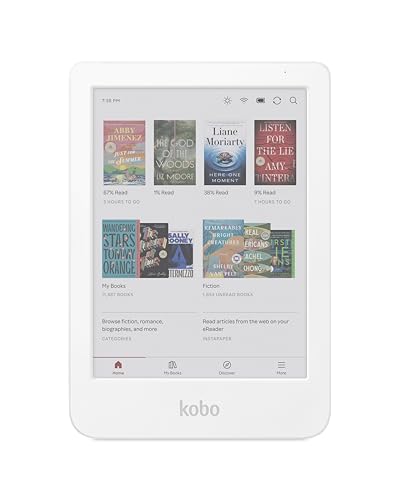
Ultimately, digital is for the commuter, the budget-conscious reader, and those who want to stay up-to-the-minute. Physical is for the collector, the art aficionado, and anyone who loves the tactile feel of turning a page.
What Is the Difference Between Manga , Manhwa, and Manhua?
Manga originates from Japan and is read right-to-left, manhwa is from Korea and is read left-to-right, and manhua is from China and is also read left-to-right. While they are all forms of comics from Asia, their country of origin dictates their reading direction and other stylistic conventions.
As you explore the world of Asian comics, you’ll encounter these terms frequently. Understanding the difference is key to establishing broader topical knowledge. Here’s a simple breakdown.
| Feature | Manga (漫画) | Manhwa (만화) | Manhua (漫画) |
|---|---|---|---|
| Country of Origin | Japan | South Korea | China, Taiwan, Hong Kong |
| Reading Direction | Right-to-Left, Top-to-Bottom | Left-to-Right, Top-to-Bottom (often vertical scroll) | Left-to-Right, Top-to-Bottom |
| Traditional Color | Black & White | Full Color (especially for webtoons) | Full Color |
| Common Terminology | Mangaka (creator) | Manhwaga (creator) | Manhuajia (creator) |
Quick Tip to Remember: If you’re scrolling down endlessly on your phone, it’s likely a Manhwa (Korean Webtoon). If you’re flipping pages from right to left in a black-and-white book, it’s definitely Manga (Japanese).
FAQs About how read manga
How long does it take to get used to reading manga ?
For most new readers, the right-to-left format becomes second nature after reading just a few chapters. While it may feel awkward for the first 10-20 pages, your brain quickly adapts to the new flow. Community recommendations on forums like Reddit show that many readers find it becomes so natural they accidentally try to read Western comics the same way.
Can you read manga on a Kindle?
Yes, Kindle e-readers are excellent for reading
What’s the difference between a manga chapter and a volume?
A
Are there any manga that read left-to-right?
While extremely rare, some
Where can I read manga for free legally?
Platforms like
How do I start a manga series that already has an anime?
You have two main options: start from chapter 1 to experience the full story, or find out which
Why is some manga in black and white?
Manga is traditionally printed in black and white primarily due to demanding weekly production schedules and to keep printing costs low. This allows for faster creation by the mangaka and makes the final volumes more affordable for consumers. While some digital series are now created in full color, black and white remains the industry standard.
What does “unflipped” or “original format” mean?
“Unflipped” means the
Is it hard to read manga on a phone?
It can be, but modern
How do I know which publisher’s app has the manga I want to read?
The publisher is key, as licenses are often exclusive. Shueisha series (like One Piece, Jujutsu Kaisen) are on VIZ and
Key Takeaways: How to Read Manga Summary
- Read Everything Right-to-Left: This is the golden rule. Start at the “back” of the book, and on each page, read panels and speech bubbles from the top-right to the bottom-left.
- The ‘Why’ is Cultural:
Manga follows the traditional Japanese writing system (tategaki), which flows vertically and from right to left. Preserving this format respects the artist’s original composition. - Panels Have a Hierarchy: On any page, you always read the highest row of panels first from right to left, then drop down to the next row and repeat until you reach the bottom-left.
- Legal Apps are the Best Starting Point: Use official apps like VIZ
Manga orManga Plus. They are affordable (or free), high-quality, and directly support the creators of the series you love. - Digital vs. Physical is a Personal Choice: Digital offers convenience and lower cost, making it great for binge-reading on the go. Physical offers a high-quality, collectible art experience with no screen fatigue.
- Not All “Manga” is Japanese: Remember the difference:
Manga is from Japan (read right-to-left), Manhwa is from Korea (read left-to-right, often scrolling), and Manhua is from China (read left-to-right). - It Gets Easy, Fast: While the reading direction is confusing for the first few pages, nearly every reader finds that it becomes second nature very quickly, so don’t be discouraged.
Final Thoughts on Learning How to Read Manga
Mastering how to read
Whether you choose the convenience of a digital app or the satisfaction of a physical collection, you are now equipped to dive into classic epics and the latest hits. Welcome to the community. What series will you start first?
Last update on 2026-05-02 / Affiliate links / Images from Amazon Product Advertising API


